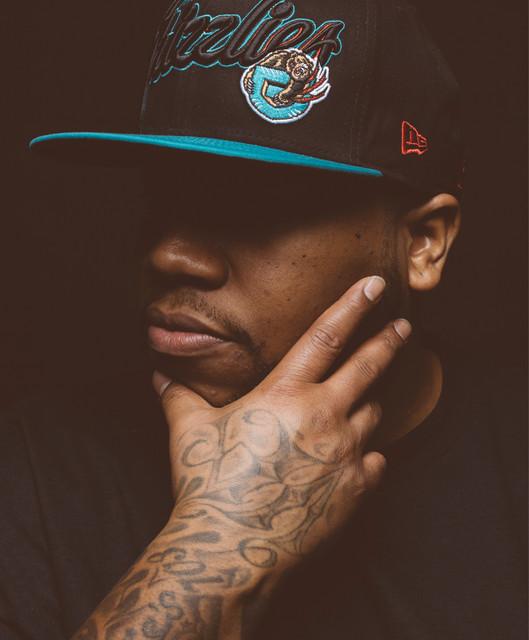
Elzhi

Hip Hop
Contemporary Hip Hop
Underground Hip Hop
 Viberate Rank: 69403
 Viberate Rank: 69403
 Monthly ListenersFollowers
 Subscribers
 Followers
 Followers
 FansTop Spotify Songs
| Track | 7-Day Streams | |
|---|---|---|
1 | 10.90K | |
2 | 6.69K | |
3 | 5.51K | |
4 | 3.80K | |
5 | 2.59K |
Top YouTube VideosMonthly ListenersFeatured in Playlists| Playlist | Followers | |
|---|---|---|
1 | NEW SH*T || Updated weekly || ORIGINAL RAPCAVIAR Simon Grum | 91.04K |
2 |  Jazz Hip Hop Johnny Jazzmatazz | 55.59K |
3 |  Best Hip-Hop of all time Jonas de la Chaux | 55.26K |
4 |  Crisp Spotify | 35.21K |
5 |  This Is BADBADNOTGOOD Spotify | 35.08K |
Audience| City | Monthly Listeners | |
|---|---|---|
1 | | 1.45K |
2 | | 1.39K |
3 |  | 1.28K |
4 | | 1.26K |
5 |  | 1.03K |
See full performance history, audience data, playlist activity, rankings, comparisons, and more in Viberate music analytics. Start with a free trial, then continue with a paid plan.
Elzhi’s Spotify BioA gifted MC and outspoken critic of commercial hip-hop, eLZhi began his career rubbing shoulders with Waajeed, Dwele, and the other gifted Detroit artists involved in the city's flourishing late-'90s underground hip-hop scene. After an appearance on Jay Dee's groundbreaking 2001 album Welcome 2 Detroit, eLZhi joined the producer's crew, Slum Village. With Jay Dee spending more time with other artists, eLZhi became the producer's replacement, beginning with the group's 2002 effort Trinity (Past, Present and Future). Two more albums from the group -- 2004's Detroit Deli (A Taste of Detroit) plus a self-titled effort in 2005 -- appeared before eLZhi began focusing on his solo career with the 2008 release The Preface.
He reunited with Slum Village for a 2010 LP, Villa Manifesto, although one fellow Villager, Baatin, died before its release. An array of hip-hop luminaries appeared on the album, including Posdnuos, Phife Dawg, Little Brother, Dwele, and DJ Babu. Villa Manifesto was eLZhi's… last with the group, however. He sprang back into solo action with a mixtape, Elmatic, conceived as a tribute to Nas' Illmatic; eLZhi wrote all the rhymes while Will Sessions produced. A Kickstarter campaign helped fund his next venture, Lead Poison, released in 2016. ~ David Jeffries, Rovi
Viberate is a music analytics platform built for A&Rs, artist managers, labels, booking agents, marketers, and artists.
It helps music professionals track artist growth, analyze audience data, monitor playlist activity, compare artists, follow song performance, and identify opportunities across the music market.
Public artist pages provide a free preview of selected artist data. Paid plans provide access to deeper analytics, historical data, charts, comparisons, playlist tools, exports, alerts, reports, and additional professional features.
Yes. Public Viberate artist pages provide selected artist analytics and music data for free.
Viberate also offers a 7-day free trial of the full platform. A credit card is required to start the trial. The trial includes access to the complete product so users can test deeper artist analytics, historical views, playlist insights, comparisons, charts, exports, alerts, and reporting features before choosing a paid plan.
Viberate provides artist analytics across streaming, playlists, social media, video, radio airplay, songs, and audience markets.
Users can analyze Spotify performance, Spotify and Apple Music playlists, YouTube activity, TikTok and Instagram growth, radio spins, song performance, audience locations, demographics, rankings, and overall artist momentum.
Artist profiles also connect to music charts, similar artists, and comparison tools, helping users benchmark performance and evaluate artists in context.
Viberate updates key artist and track data daily.
For followed artists and tracks, selected data is refreshed multiple times per day. This helps teams monitor playlist changes, streaming movement, audience growth, releases, and campaign performance with more current data.
Update frequency can vary depending on the metric and data source.
Yes. Viberate lets users compare up to five artists side by side across streaming, social media, audience, and engagement metrics.
Users can compare fanbase growth, audience demographics, locations, Spotify performance, social metrics, and other artist data over selected time periods.
Artist comparison can be used for A&R scouting, benchmarking, booking decisions, campaign planning, and evaluating artists with similar audiences or market positions.