Skeletal Remains

Metal
Death Metal
 Viberate Rank: 127615
 Viberate Rank: 127615
 Monthly ListenersFollowers
 Subscribers
 Followers
 Followers
 FansTop Spotify Songs
| Track | 7-Day Streams | |
|---|---|---|
1 | 1.18K | |
2 | 656 | |
3 | 567 | |
4 | 430 | |
5 | 377 |
Top YouTube VideosMonthly ListenersFeatured in Playlists| Playlist | Followers | |
|---|---|---|
1 |  Brutal Death Metal firatkaya90 | 170.40K |
2 |  The Sound of Everything The Sounds of Spotify | 53.82K |
3 |  Death Metal 🗡 Century Media Records | 21.36K |
4 | Metal🤘🏻 Naydil González | 16.45K |
5 |  Technical Death Metal OPSAT | 15.41K |
Audience| City | Monthly Listeners | |
|---|---|---|
1 | | 144 |
2 |  | 122 |
3 | | 108 |
4 |  | 95 |
5 |  | 82 |
See full performance history, audience data, playlist activity, rankings, comparisons, and more in Viberate music analytics. Start with a free trial, then continue with a paid plan.
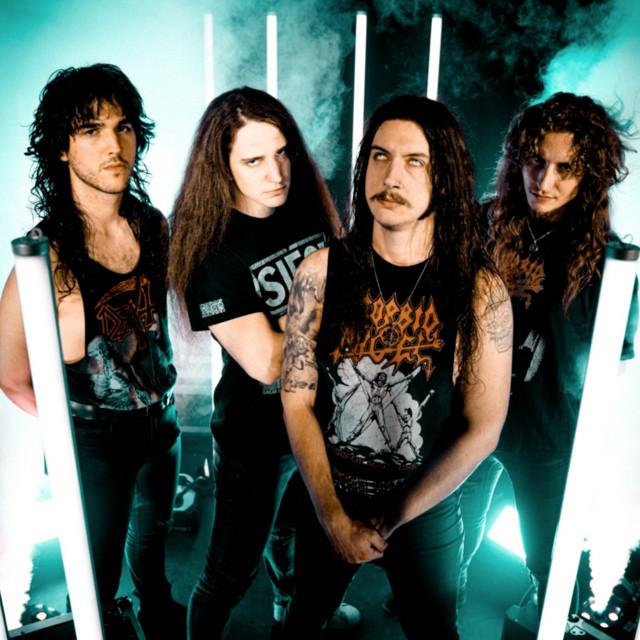
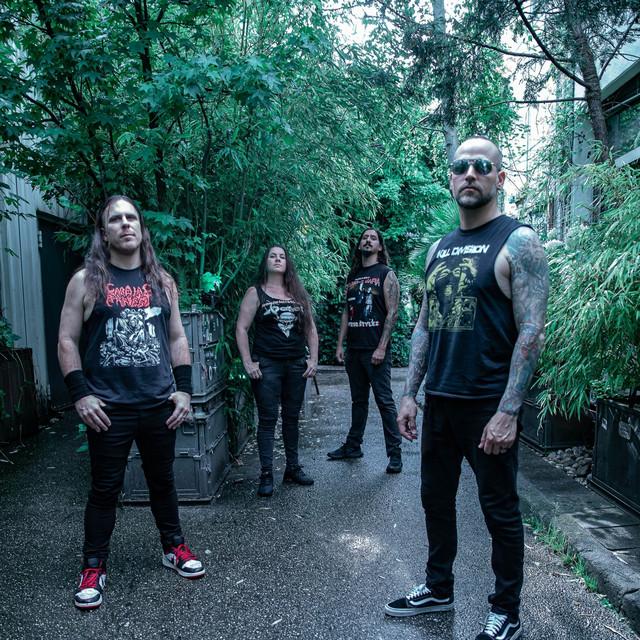
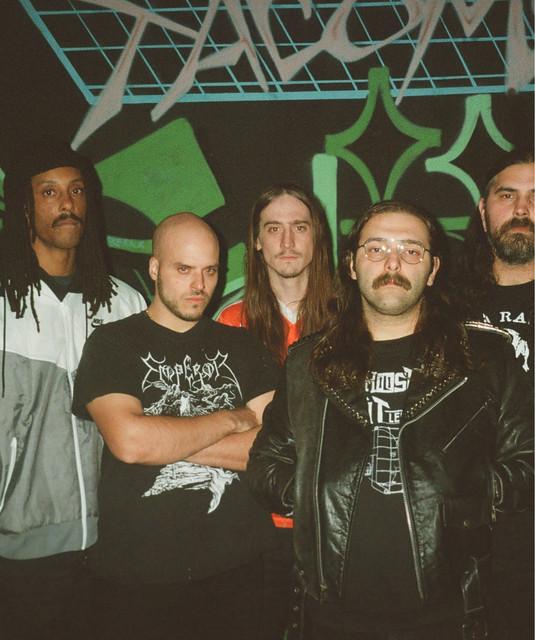
Skeletal Remains’ Spotify BioAmerican act Skeletal Remains prepare another death metal assault on Fragments of the Ageless for Century Media. The line-up of Chris Monroy (guitars/vocals), Mike De La O (guitars), Pierce Williams (drums), and Brian Rush (bass) embody the genre, going deeper, darker, and to the edges of brutality. The long-awaited follow-up to The Entombment of Chaos (2020).
“Fragments of the Ageless is a pummeling slab of pure death metal,” says the band. “A tyrannical blast-laden barrage of no-frills riffs and compositions. Everything about this album is f*cking brutal and in your face.”
Skeletal Remains wrote Fragments of the Ageless between European and US tours/festivals with Emperor, Morbid Angel, Mortician, Left to Die, and Defeated Sanity among others. The songwriting sessions were characterized by a no-limit mindset, where creativity and known genre rituals were given equal footing. The outcome was not just a definitive death metal showpiece but an evolution.“We took things up a notch and… really dialed in on the technicality and ever-increasing intensity while still maintaining catchiness,” the group says. “With each new record, we strive to better ourselves in our musicianship and songwriting capabilities. On one end, we’ve increased in density and brutality, and on the other, we wrote a few songs with longer and more ‘epic’ structures.”
Death metal’s not dead with Fragments of the Ageless. It’s never been deadlier!
Viberate is a music analytics platform built for A&Rs, artist managers, labels, booking agents, marketers, and artists.
It helps music professionals track artist growth, analyze audience data, monitor playlist activity, compare artists, follow song performance, and identify opportunities across the music market.
Public artist pages provide a free preview of selected artist data. Paid plans provide access to deeper analytics, historical data, charts, comparisons, playlist tools, exports, alerts, reports, and additional professional features.
Yes. Public Viberate artist pages provide selected artist analytics and music data for free.
Viberate also offers a 7-day free trial of the full platform. A credit card is required to start the trial. The trial includes access to the complete product so users can test deeper artist analytics, historical views, playlist insights, comparisons, charts, exports, alerts, and reporting features before choosing a paid plan.
Viberate provides artist analytics across streaming, playlists, social media, video, radio airplay, songs, and audience markets.
Users can analyze Spotify performance, Spotify and Apple Music playlists, YouTube activity, TikTok and Instagram growth, radio spins, song performance, audience locations, demographics, rankings, and overall artist momentum.
Artist profiles also connect to music charts, similar artists, and comparison tools, helping users benchmark performance and evaluate artists in context.
Viberate updates key artist and track data daily.
For followed artists and tracks, selected data is refreshed multiple times per day. This helps teams monitor playlist changes, streaming movement, audience growth, releases, and campaign performance with more current data.
Update frequency can vary depending on the metric and data source.
Yes. Viberate lets users compare up to five artists side by side across streaming, social media, audience, and engagement metrics.
Users can compare fanbase growth, audience demographics, locations, Spotify performance, social metrics, and other artist data over selected time periods.
Artist comparison can be used for A&R scouting, benchmarking, booking decisions, campaign planning, and evaluating artists with similar audiences or market positions.