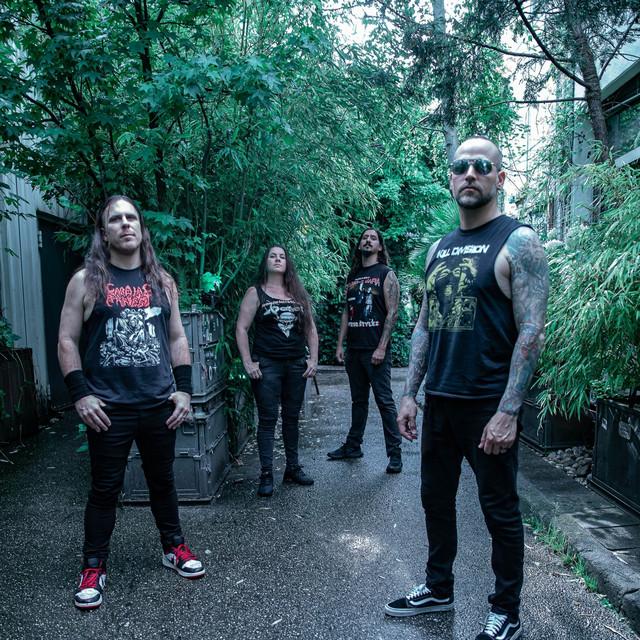
Gruesome

Metal
Death Metal
 Viberate Rank: 141525
 Viberate Rank: 141525
 Monthly ListenersFollowers
 Subscribers
 Followers
 Followers
 FansTop Spotify Songs
| Track | 7-Day Streams | |
|---|---|---|
1 | 1.00K | |
2 | 557 | |
3 | 460 | |
4 | 437 | |
5 | 381 |
Top YouTube VideosMonthly ListenersFeatured in Playlists| Playlist | Followers | |
|---|---|---|
1 |  Death Metal Old School Stéphane Loisal | 12.90K |
2 |  Wacken Open Air 2018 Wacken Open Air | 8.10K |
3 | Metal Playlist Ardi Jusufi | 5.03K |
4 |  SEKKDS 10K x 10K SEKKDS | 4.00K |
5 | Misticismo Diabólico da Lua Cheia João Carvalho | 3.98K |
Audience| City | Monthly Listeners | |
|---|---|---|
1 |  | 206 |
2 |  | 139 |
3 |  | 118 |
4 |  | 117 |
5 | | 97 |
See full performance history, audience data, playlist activity, rankings, comparisons, and more in Viberate music analytics. Start with a free trial, then continue with a paid plan.
Gruesome’s Spotify BioOld-school metal outfit Gruesome make hardcore, thrash, and death metal in the vein of such classic bands as Florida's Death and California's Slayer. Formed by Exhumed guitarist/vocalist Matt Harvey and ex-Malevolent Creation drummer Gus Rios, Gruesome came together after Harvey and Rios participated in the "Death to All" Death reunion tour in 2012. Inspired by their shared love of the early Death albums and the late-'80s/early-'90s death metal sound, Harvey and Rios began writing songs together. With Harvey writing and recording his vocals in California, Florida-based Rios brought in Possessed guitarist Daniel Gonzalez and Derkéta bassist Robin Mazen to lay down the instrumental tracks. In 2015, Gruesome released their debut full-length album, Savage Land, on Relapse Records. For their follow-up project, 2016's Dimensions of Horror EP, Gruesome paid homage to Death's classic Scream Bloody Gore album. The more progressive-sounding Sound of Perseverance EP arrived a year later in March… 2017, followed by the band's sophomore full-length effort, Twisted Prayers, in 2018. ~ Matt Collar, Rovi
Viberate is a music analytics platform built for A&Rs, artist managers, labels, booking agents, marketers, and artists.
It helps music professionals track artist growth, analyze audience data, monitor playlist activity, compare artists, follow song performance, and identify opportunities across the music market.
Public artist pages provide a free preview of selected artist data. Paid plans provide access to deeper analytics, historical data, charts, comparisons, playlist tools, exports, alerts, reports, and additional professional features.
Yes. Public Viberate artist pages provide selected artist analytics and music data for free.
Viberate also offers a 7-day free trial of the full platform. A credit card is required to start the trial. The trial includes access to the complete product so users can test deeper artist analytics, historical views, playlist insights, comparisons, charts, exports, alerts, and reporting features before choosing a paid plan.
Viberate provides artist analytics across streaming, playlists, social media, video, radio airplay, songs, and audience markets.
Users can analyze Spotify performance, Spotify and Apple Music playlists, YouTube activity, TikTok and Instagram growth, radio spins, song performance, audience locations, demographics, rankings, and overall artist momentum.
Artist profiles also connect to music charts, similar artists, and comparison tools, helping users benchmark performance and evaluate artists in context.
Viberate updates key artist and track data daily.
For followed artists and tracks, selected data is refreshed multiple times per day. This helps teams monitor playlist changes, streaming movement, audience growth, releases, and campaign performance with more current data.
Update frequency can vary depending on the metric and data source.
Yes. Viberate lets users compare up to five artists side by side across streaming, social media, audience, and engagement metrics.
Users can compare fanbase growth, audience demographics, locations, Spotify performance, social metrics, and other artist data over selected time periods.
Artist comparison can be used for A&R scouting, benchmarking, booking decisions, campaign planning, and evaluating artists with similar audiences or market positions.