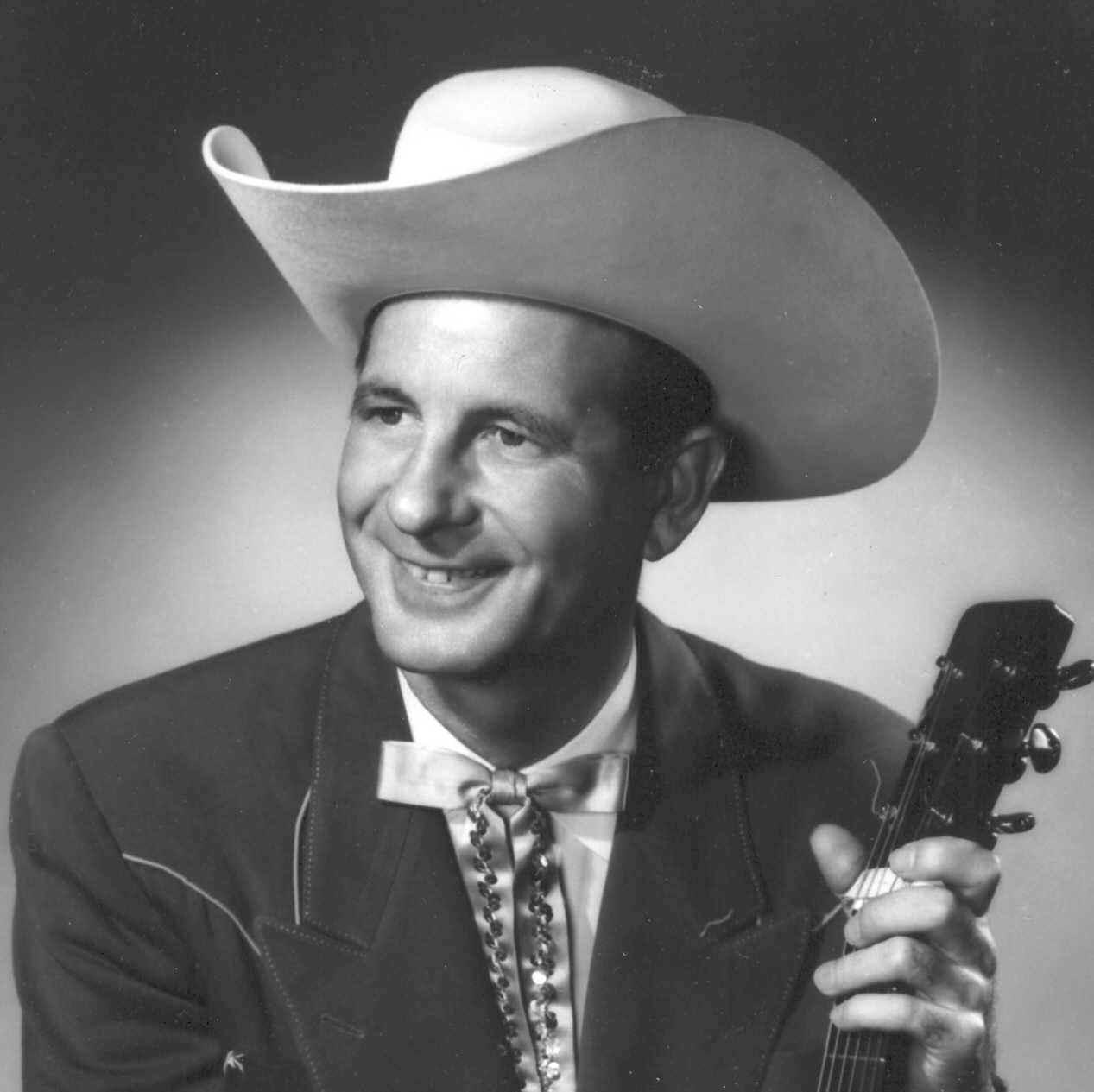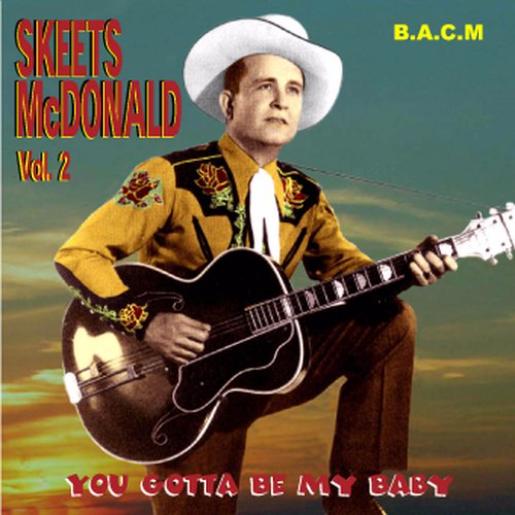
Skeets McDonald

Country
Contemporary Country
Rockabilly
 Viberate Rank: 278152
 Viberate Rank: 278152
 Monthly ListenersFollowers
 Subscribers
 Followers
 Followers
 FansTop Spotify Songs
| Track | 7-Day Streams | |
|---|---|---|
1 | 526 | |
2 | 526 | |
3 | 483 | |
4 | 483 | |
5 | 358 |
Top YouTube VideosMonthly ListenersFeatured in Playlists| Playlist | Followers | |
|---|---|---|
1 | ROCKABILLY Adam Lund | 35.86K |
2 |  Rockabilly Peter Karlsson | 13.32K |
3 |  Han Solo Star Wars | 11.09K |
4 |  El Sótano de Radio 3 Groovyfamily | 9.84K |
5 |  Theme Time Radio Hour Carraway | 4.59K |
Audience| City | Monthly Listeners | |
|---|---|---|
1 |  | 63 |
2 | | 54 |
3 |  | 46 |
4 | | 45 |
5 | | 42 |
See full performance history, audience data, playlist activity, rankings, comparisons, and more in Viberate music analytics. Start with a free trial, then continue with a paid plan.
Skeets McDonald’s Spotify BioBest known for the chart-topper "Don't Let the Stars Get in Your Eyes," Skeets McDonald was a honky tonk singer and songwriter whose work helped serve to bridge the gap between country and rock & roll. The youngest of seven children, Enos William McDonald was born on October 1, 1915, in Greenway, AR, and earned his nickname after an incident involving a swarm of mosquitoes. He became interested in music at a young age and, according to McDonald family legend, even traded his hound dog for a guitar and six dollars. When his older brother moved to Michigan several years later, McDonald followed and joined his first band, the Lonesome Cowboys, in Detroit in 1935. He continued to perform on local radio stations until he was drafted to serve in World War II in 1943.
After returning from battle, McDonald began performing on a Detroit-area television program and in 1950 cut his first records with fiddler Johnnie White & His Rough Riders. In 1951, McDonald and his family moved to Los Angeles,… where he was signed to perform on Cliffie Stone's TV program Hometown Jamboree. Soon after, he joined Capitol Records and in 1952 released "Don't Let the Stars Get in Your Eyes," by far his biggest hit. McDonald remained with the label until 1959, the year he released the LP The Country's Best, and while he scored few chart successes, his music's evolution from honky tonk to straightforward rockabilly proved to be influential with other musicians.
In 1959, McDonald signed with Columbia, which mandated that he return to country music. In the early '60s, he notched a handful of hits, including "Call Me Mr. Brown," which reached the Top Ten in 1963. A year later, he issued the album Call Me Skeets!. As the decade wore on, he began branching out from the West Coast music scene, recording in Nashville and appearing on the Grand Ole Opry. Despite the country industry's shift towards slicker, more pop-oriented productions, McDonald remained a purist throughout his career; he died on March 31, 1968, after suffering a massive heart attack. ~ Jason Ankeny, Rovi
Viberate is a music analytics platform built for A&Rs, artist managers, labels, booking agents, marketers, and artists.
It helps music professionals track artist growth, analyze audience data, monitor playlist activity, compare artists, follow song performance, and identify opportunities across the music market.
Public artist pages provide a free preview of selected artist data. Paid plans provide access to deeper analytics, historical data, charts, comparisons, playlist tools, exports, alerts, reports, and additional professional features.
Yes. Public Viberate artist pages provide selected artist analytics and music data for free.
Viberate also offers a 7-day free trial of the full platform. A credit card is required to start the trial. The trial includes access to the complete product so users can test deeper artist analytics, historical views, playlist insights, comparisons, charts, exports, alerts, and reporting features before choosing a paid plan.
Viberate provides artist analytics across streaming, playlists, social media, video, radio airplay, songs, and audience markets.
Users can analyze Spotify performance, Spotify and Apple Music playlists, YouTube activity, TikTok and Instagram growth, radio spins, song performance, audience locations, demographics, rankings, and overall artist momentum.
Artist profiles also connect to music charts, similar artists, and comparison tools, helping users benchmark performance and evaluate artists in context.
Viberate updates key artist and track data daily.
For followed artists and tracks, selected data is refreshed multiple times per day. This helps teams monitor playlist changes, streaming movement, audience growth, releases, and campaign performance with more current data.
Update frequency can vary depending on the metric and data source.
Yes. Viberate lets users compare up to five artists side by side across streaming, social media, audience, and engagement metrics.
Users can compare fanbase growth, audience demographics, locations, Spotify performance, social metrics, and other artist data over selected time periods.
Artist comparison can be used for A&R scouting, benchmarking, booking decisions, campaign planning, and evaluating artists with similar audiences or market positions.