Cowboy Copas

Country
Contemporary Country
Americana/Alt Country
 Viberate Rank: 186959
 Viberate Rank: 186959
 Monthly ListenersFollowers
 Subscribers
 Followers
 Followers
 FansTop Spotify Songs
| Track | 7-Day Streams | |
|---|---|---|
1 | 2.78K | |
2 | 1.09K | |
3 | 969 | |
4 | 508 | |
5 | 505 |
Top YouTube VideosMonthly ListenersFeatured in Playlists| Playlist | Followers | |
|---|---|---|
1 |  40s Country Spotify | 149.76K |
2 | Classic Country Carter Santos | 28.55K |
3 | Originals that are less Famous than the Cover Versions Auke Riemersma | 10.67K |
4 | 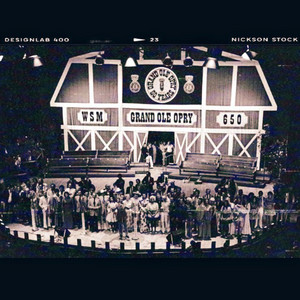 50s & 60s Country Hits Logan McClure | 8.94K |
5 | 30s 40s 50s 60s country Williambonney | 4.67K |
Audience| City | Monthly Listeners | |
|---|---|---|
1 | | 122 |
2 | | 110 |
3 |  | 104 |
4 | | 101 |
5 |  | 99 |
See full performance history, audience data, playlist activity, rankings, comparisons, and more in Viberate music analytics. Start with a free trial, then continue with a paid plan.
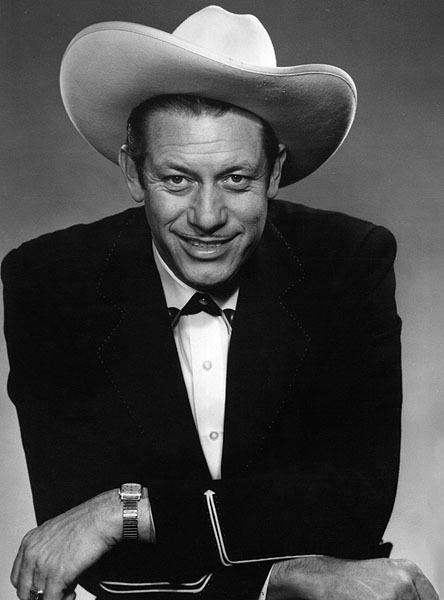
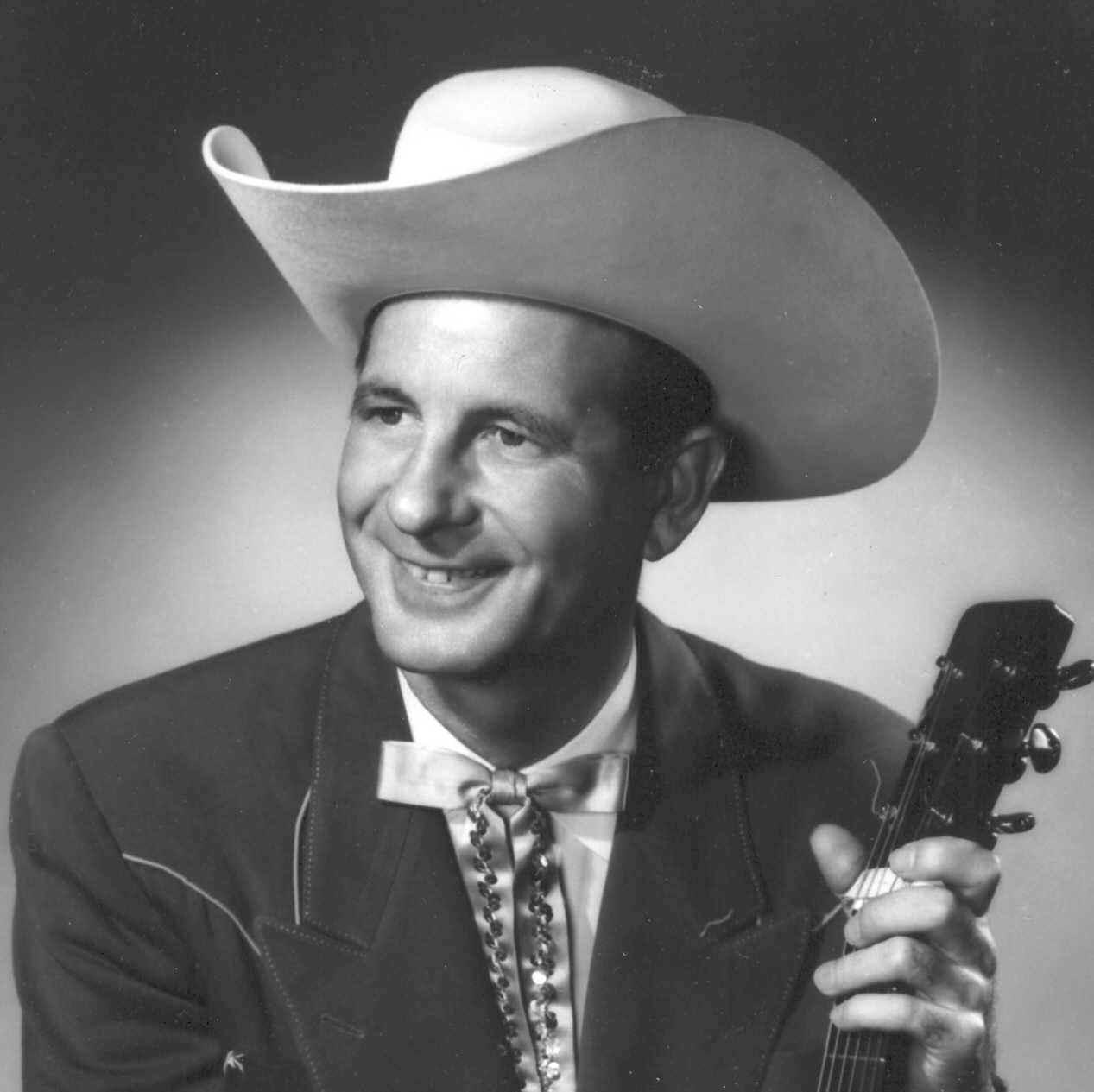
Cowboy Copas’ Spotify BioA honky tonk singer popular in the late '40s, Cowboy Copas made something of a comeback in the early '60s before he died in the air crash that also killed Patsy Cline and Hawkshaw Hawkins. Born Lloyd Estel Copas on July 15, 1913, he dropped out of school at the age of 14 and began playing fiddle in several string bands around his Ohio home. On a dare, Copas traveled to Cincinnati to enter a contest, and wound up performing on radio shows for Cincinnati's WLW and later WKRC. By 1940, Copas moved to WNOX-Knoxville with a band called the Gold Star Rangers.
Three years later, Cowboy Copas got his big break: He was tapped to replace Eddy Arnold as the vocalist for Pee Wee King's Golden West Cowboys on WSM-Nashville and the Grand Ole Opry. He signed with King Records in 1946, and his debut single, "Filipino Baby," hit number four on the country charts that August. Two years later, Copas was back in the Top Ten with "Signed, Sealed and Delivered" (number two), "Tennessee Waltz" (number three),… and "Tennessee Moon" (number seven). He also continued to perform with Pee Wee King on the Opry, recording a hit version of "Tennessee Waltz."
After the Top 20 singles "Breeze" and "I'm Waltzing With Tears in My Eyes," Copas hit the Top Ten again in early 1949. "Candy Kisses" peaked at number five, "Hangman's Boogie" reached number 14, and "The Strange Little Girl" hit number five. His next single, 1952's "'Tis Sweet to Be Remembered," hit number eight, but it was his last chart entry for more than eight years. His King contract expired in 1955, and a brief time with the Dot label also failed.
During the late '50s, Copas bided his time on the Opry, and he finally signed to Starday in 1960. His first single for the label, "Alabam," became the biggest of his career when it captured country's pole position for three months during the last half of 1960. "Flat Top" hit the Top Ten in April 1961, and a remake of his early hit "Signed, Sealed and Delivered" also reached the Top Ten in September. A year and a half later, Copas was returning to Nashville from a benefit show in Kansas City when his private plane went down, killing him, Patsy Cline, Hawkshaw Hawkins, and Copas' son-in-law, pilot Randy Hughes. Cowboy Copas' last single, "Goodbye Kisses," hit the Top 15 one month after his death. ~ John Bush, Rovi
Viberate is a music analytics platform built for A&Rs, artist managers, labels, booking agents, marketers, and artists.
It helps music professionals track artist growth, analyze audience data, monitor playlist activity, compare artists, follow song performance, and identify opportunities across the music market.
Public artist pages provide a free preview of selected artist data. Paid plans provide access to deeper analytics, historical data, charts, comparisons, playlist tools, exports, alerts, reports, and additional professional features.
Yes. Public Viberate artist pages provide selected artist analytics and music data for free.
Viberate also offers a 7-day free trial of the full platform. A credit card is required to start the trial. The trial includes access to the complete product so users can test deeper artist analytics, historical views, playlist insights, comparisons, charts, exports, alerts, and reporting features before choosing a paid plan.
Viberate provides artist analytics across streaming, playlists, social media, video, radio airplay, songs, and audience markets.
Users can analyze Spotify performance, Spotify and Apple Music playlists, YouTube activity, TikTok and Instagram growth, radio spins, song performance, audience locations, demographics, rankings, and overall artist momentum.
Artist profiles also connect to music charts, similar artists, and comparison tools, helping users benchmark performance and evaluate artists in context.
Viberate updates key artist and track data daily.
For followed artists and tracks, selected data is refreshed multiple times per day. This helps teams monitor playlist changes, streaming movement, audience growth, releases, and campaign performance with more current data.
Update frequency can vary depending on the metric and data source.
Yes. Viberate lets users compare up to five artists side by side across streaming, social media, audience, and engagement metrics.
Users can compare fanbase growth, audience demographics, locations, Spotify performance, social metrics, and other artist data over selected time periods.
Artist comparison can be used for A&R scouting, benchmarking, booking decisions, campaign planning, and evaluating artists with similar audiences or market positions.