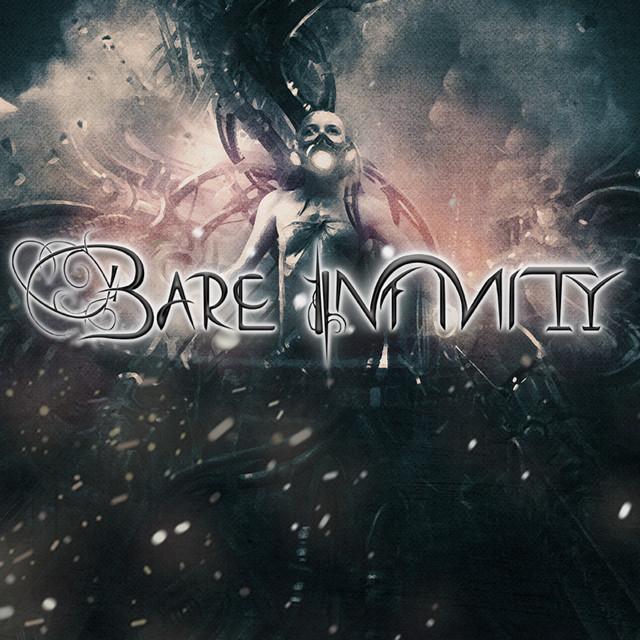
Sins in Vain

Metal
Alternative Metal
Symphonic Metal
 Viberate Rank: 366336
 Viberate Rank: 366336
 Monthly ListenersFollowers
 Subscribers
 Followers
 Followers
 FansTop Spotify Songs
| Track | 7-Day Streams | |
|---|---|---|
1 | 775 | |
2 | 671 | |
3 | 264 | |
4 | 160 | |
5 | 158 |
Top YouTube VideosMonthly ListenersFeatured in Playlists| Playlist | Followers | |
|---|---|---|
1 |  Female Fronted Metal Tennrich | 23.86K |
2 |  gothic metal & symphonic metal 🥀 lesfleursdumal | 12.47K |
3 |  Female Metal singers diecar76 | 6.98K |
4 |  Sweden Rock Festival 5-8 June 2019 Sweden Rock Festival | 3.99K |
5 |  Zombies, Run! 950+ tracks (Lore-friendly!) Tommi Kainulainen | 3.35K |
Audience| City | Monthly Listeners | |
|---|---|---|
1 |  | 59 |
2 |  | 50 |
3 | | 45 |
4 |  | 39 |
5 |  | 37 |
See full performance history, audience data, playlist activity, rankings, comparisons, and more in Viberate music analytics. Start with a free trial, then continue with a paid plan.
Sins in Vain’s Spotify BioSins In Vain was born in the early 2000s, when two fearless teenagers set out to create heavy music driven by emotion, curiosity, and instinct. Long before social media shaped the scene, the band forged its sound through pure “learning by doing” — melodic metal filled with heart, honesty, and youthful intensity. Their debut album Enemy Within arrived in 2010 under a small but devoted label, gaining unexpected listeners worldwide. But just as things began to move forward, the band suddenly went separate ways — and everything fell quiet.
Years later, Sins In Vain slowly found their way back to each other, releasing “Horizons,” “Legion,” and “GOLD (is just a colour)” — songs that carried a more political edge than anything they had written before. During this period, they also released their interpretation of “End of Heartache,” paying tribute to the music that shaped them.
Now, for the first time in many years, they return with a dual release: two interconnected power ballads exploring the… darkness and light of love . ”I’m Still Here” captures love’s shadowed side – grief. Raw, vulnerable, and emotionally exposed. ”Time of Newborn Flowers” reveals love’s luminous side, offering a companion piece that turns toward renewal, hope, and new beginnings.
Together, these two singles form a new chapter for Sins In Vain.
Viberate is a music analytics platform built for A&Rs, artist managers, labels, booking agents, marketers, and artists.
It helps music professionals track artist growth, analyze audience data, monitor playlist activity, compare artists, follow song performance, and identify opportunities across the music market.
Public artist pages provide a free preview of selected artist data. Paid plans provide access to deeper analytics, historical data, charts, comparisons, playlist tools, exports, alerts, reports, and additional professional features.
Yes. Public Viberate artist pages provide selected artist analytics and music data for free.
Viberate also offers a 7-day free trial of the full platform. A credit card is required to start the trial. The trial includes access to the complete product so users can test deeper artist analytics, historical views, playlist insights, comparisons, charts, exports, alerts, and reporting features before choosing a paid plan.
Viberate provides artist analytics across streaming, playlists, social media, video, radio airplay, songs, and audience markets.
Users can analyze Spotify performance, Spotify and Apple Music playlists, YouTube activity, TikTok and Instagram growth, radio spins, song performance, audience locations, demographics, rankings, and overall artist momentum.
Artist profiles also connect to music charts, similar artists, and comparison tools, helping users benchmark performance and evaluate artists in context.
Viberate updates key artist and track data daily.
For followed artists and tracks, selected data is refreshed multiple times per day. This helps teams monitor playlist changes, streaming movement, audience growth, releases, and campaign performance with more current data.
Update frequency can vary depending on the metric and data source.
Yes. Viberate lets users compare up to five artists side by side across streaming, social media, audience, and engagement metrics.
Users can compare fanbase growth, audience demographics, locations, Spotify performance, social metrics, and other artist data over selected time periods.
Artist comparison can be used for A&R scouting, benchmarking, booking decisions, campaign planning, and evaluating artists with similar audiences or market positions.