Ravenscry

Metal
Progressive Metal
Symphonic Metal
 Viberate Rank: 199672
 Viberate Rank: 199672
 Monthly ListenersFollowers
 Subscribers
 Followers
 Followers
 FansTop Spotify Songs
| Track | 7-Day Streams | |
|---|---|---|
1 | 720 | |
2 | 571 | |
3 | 531 | |
4 | 357 | |
5 | 295 |
Top YouTube VideosMonthly ListenersFeatured in Playlists| Playlist | Followers | |
|---|---|---|
1 | TOOL Gordon Thomas | 78.30K |
2 | Viking/Celtic/Folk Metal Jordan Linn | 26.70K |
3 |  Female Fronted Metal Tennrich | 23.86K |
4 | Prog Metal Giovanni Pignato | 13.71K |
5 |  gothic metal & symphonic metal 🥀 lesfleursdumal | 12.47K |
Audience| City | Monthly Listeners | |
|---|---|---|
1 |  | 111 |
2 |  | 92 |
3 |  | 46 |
4 |  | 45 |
5 | | 44 |
See full performance history, audience data, playlist activity, rankings, comparisons, and more in Viberate music analytics. Start with a free trial, then continue with a paid plan.
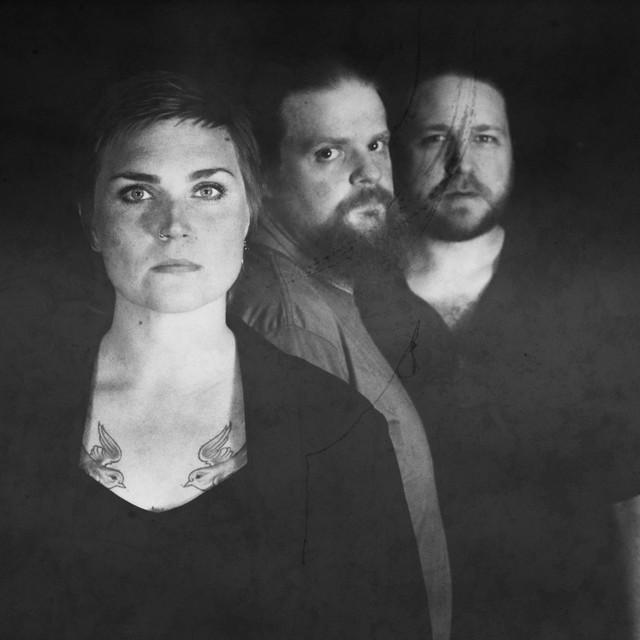
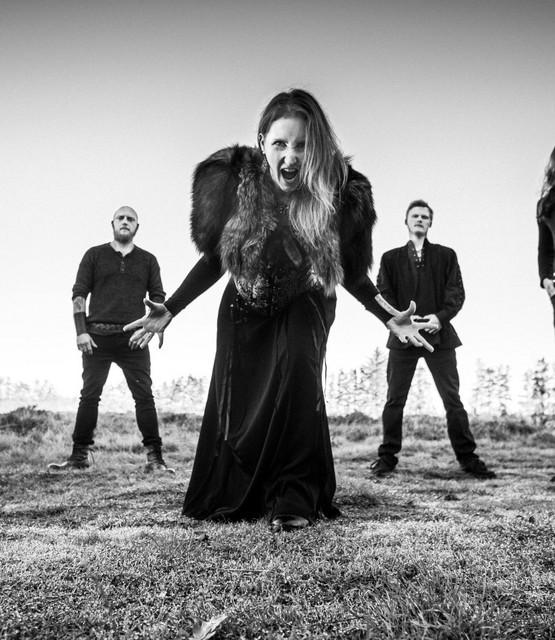
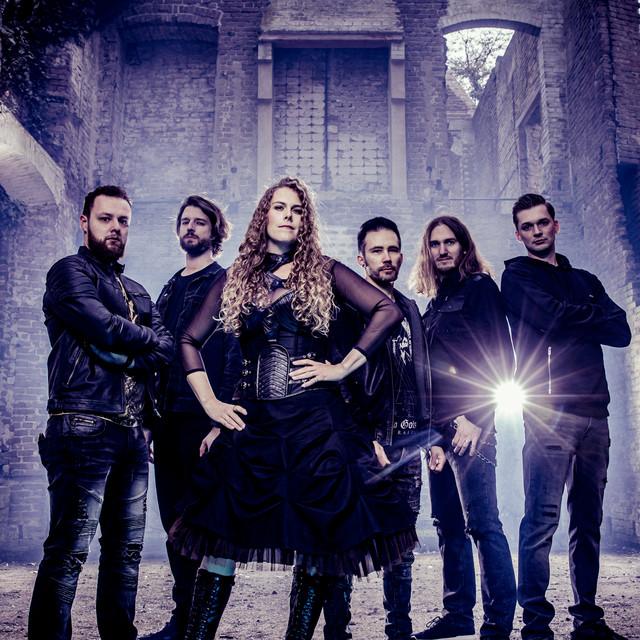
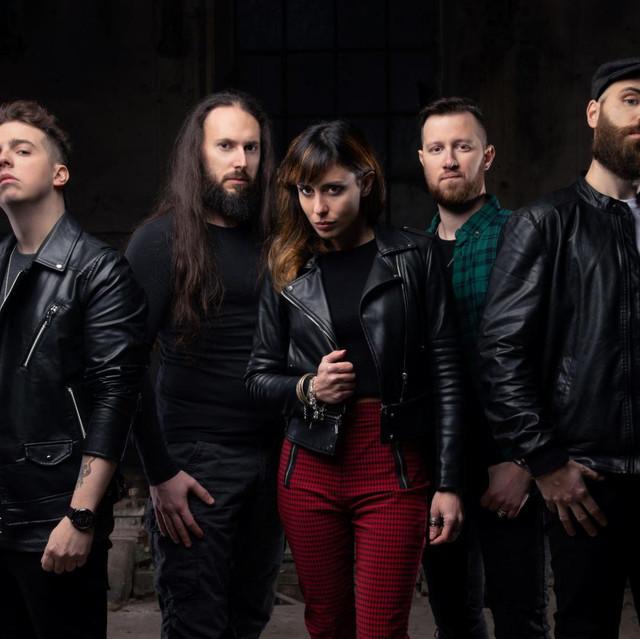
Ravenscry’s Spotify BioRavenscry is an Italian female-fronted rock band founded in 2008 by 5 members located between Milan and Rome.This is the line up: Giulia Stefani (vocals), Mauro Paganelli (guitars), Federico Schiavoni (guitars), Andrea "Fagio" Fagiuoli (bass), Simon Carminati (drums). The first Ravenscry album, One Way Out (2011) was recorded at Fear Studio and in Ravenstudio and was published by Worm Hole Death worldwide and by Hydrant Music in Japan, including their very first single Nobody which hit the 1 million views on YouTube in a few months. The second album, The Attraction of Opposites (2014) was recorded at Ravenstudio, mixed by Roberto Laghi (In Flames, Diablo Swing Orchestra), mastered by Dragan Tanaskovic and it was released by the brand new label opened by the band: Ravenscry Music. Including The Witness, which reached the 1 million listens on Spotify. The third and last album, The Invisible (2017) was recorded at Ravenstudio, mixed by Roberto Laghi and mastered by Jacob Hansen. It was… released in February and the band is on the road supporting the work. It was still released by the label owned by the band and distributed by Plastic Head worldwide. On March 27 2020 Ravenscry released Maybe as first of a series of singles taken from the album "100". This album was produced and recorded by the band at Ravenstudio and Timetrack Studios. The mix and the master are still by the couple Roberto Laghi and Dragan Tanaskovic. "100" was released on May 15 2020.
Viberate is a music analytics platform built for A&Rs, artist managers, labels, booking agents, marketers, and artists.
It helps music professionals track artist growth, analyze audience data, monitor playlist activity, compare artists, follow song performance, and identify opportunities across the music market.
Public artist pages provide a free preview of selected artist data. Paid plans provide access to deeper analytics, historical data, charts, comparisons, playlist tools, exports, alerts, reports, and additional professional features.
Yes. Public Viberate artist pages provide selected artist analytics and music data for free.
Viberate also offers a 7-day free trial of the full platform. A credit card is required to start the trial. The trial includes access to the complete product so users can test deeper artist analytics, historical views, playlist insights, comparisons, charts, exports, alerts, and reporting features before choosing a paid plan.
Viberate provides artist analytics across streaming, playlists, social media, video, radio airplay, songs, and audience markets.
Users can analyze Spotify performance, Spotify and Apple Music playlists, YouTube activity, TikTok and Instagram growth, radio spins, song performance, audience locations, demographics, rankings, and overall artist momentum.
Artist profiles also connect to music charts, similar artists, and comparison tools, helping users benchmark performance and evaluate artists in context.
Viberate updates key artist and track data daily.
For followed artists and tracks, selected data is refreshed multiple times per day. This helps teams monitor playlist changes, streaming movement, audience growth, releases, and campaign performance with more current data.
Update frequency can vary depending on the metric and data source.
Yes. Viberate lets users compare up to five artists side by side across streaming, social media, audience, and engagement metrics.
Users can compare fanbase growth, audience demographics, locations, Spotify performance, social metrics, and other artist data over selected time periods.
Artist comparison can be used for A&R scouting, benchmarking, booking decisions, campaign planning, and evaluating artists with similar audiences or market positions.