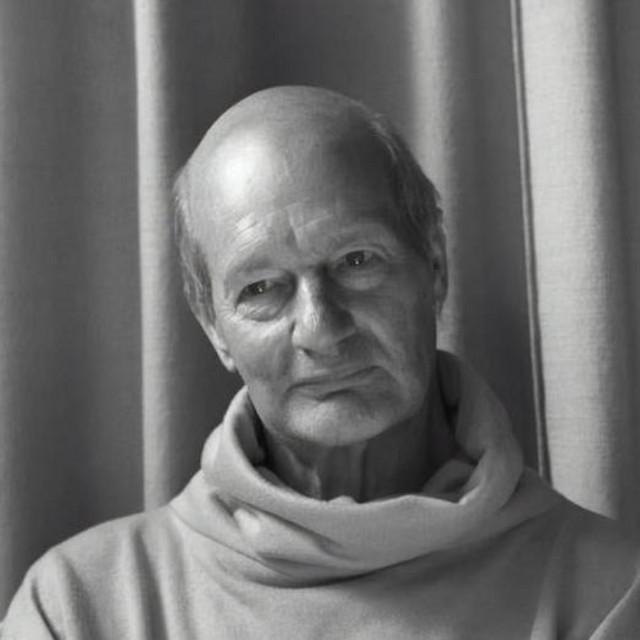
Simeon ten Holt

Classical
Classical Crossover
 Viberate Rank: 200311
 Viberate Rank: 200311
 Monthly ListenersFollowers
 Subscribers
 Followers
 Followers
 FansTop Spotify Songs
| Track | 7-Day Streams | |
|---|---|---|
1 | 1.80K | |
2 | 1.05K | |
3 | 921 | |
4 | 879 | |
5 | 861 |
Top YouTube VideosMonthly ListenersFeatured in Playlists| Playlist | Followers | |
|---|---|---|
1 |  The Sound of Everything The Sounds of Spotify | 53.83K |
2 |  Klassieke Top 400 (2026) | NPO Klassiek NPO Klassiek | 24.20K |
3 |  playlista do nauki📖📝 Draruafgs | 13.68K |
4 |  Neo Classicals Alen Golpashin | 7.79K |
5 |  Lowlands Festival 2025 [official] Lowlands Festival [official] | 7.10K |
Audience| City | Monthly Listeners | |
|---|---|---|
1 | | 1.67K |
2 | | 394 |
3 | | 376 |
4 | | 310 |
5 |  | 216 |
See full performance history, audience data, playlist activity, rankings, comparisons, and more in Viberate music analytics. Start with a free trial, then continue with a paid plan.
Simeon ten Holt’s Spotify BioSimeon ten Holt (24 January 1923 – 25 November 2012) was a Dutch contemporary classical composer.
Ten Holt was born in Bergen, North-Holland, and studied with Jakob van Domselaer, eventually developing a highly personal style of minimal composition. Van Domselaer's influence on ten Holt's musical philosophy was considerable, with the younger composer picking up van Domselaer's interests in the links between music and visual art, in music's relationship with mathematics, and in the use of the piano as a principal instrument in his compositions.
Ten Holt generally used consonant, tonal materials and his works are organized in numerous cells, made up of a few measures each, which are repeated ad libitum according to the player's preference. Many of his works are for piano or ensembles of multiple pianos. His most famous work is Canto Ostinato, which he wrote in 1976 and is considered one of the most famous works in contemporary classical Dutch music history.
Ten Holt died 25 November 2012 in… Alkmaar, the Netherlands, aged 89.
Viberate is a music analytics platform built for A&Rs, artist managers, labels, booking agents, marketers, and artists.
It helps music professionals track artist growth, analyze audience data, monitor playlist activity, compare artists, follow song performance, and identify opportunities across the music market.
Public artist pages provide a free preview of selected artist data. Paid plans provide access to deeper analytics, historical data, charts, comparisons, playlist tools, exports, alerts, reports, and additional professional features.
Yes. Public Viberate artist pages provide selected artist analytics and music data for free.
Viberate also offers a 7-day free trial of the full platform. A credit card is required to start the trial. The trial includes access to the complete product so users can test deeper artist analytics, historical views, playlist insights, comparisons, charts, exports, alerts, and reporting features before choosing a paid plan.
Viberate provides artist analytics across streaming, playlists, social media, video, radio airplay, songs, and audience markets.
Users can analyze Spotify performance, Spotify and Apple Music playlists, YouTube activity, TikTok and Instagram growth, radio spins, song performance, audience locations, demographics, rankings, and overall artist momentum.
Artist profiles also connect to music charts, similar artists, and comparison tools, helping users benchmark performance and evaluate artists in context.
Viberate updates key artist and track data daily.
For followed artists and tracks, selected data is refreshed multiple times per day. This helps teams monitor playlist changes, streaming movement, audience growth, releases, and campaign performance with more current data.
Update frequency can vary depending on the metric and data source.
Yes. Viberate lets users compare up to five artists side by side across streaming, social media, audience, and engagement metrics.
Users can compare fanbase growth, audience demographics, locations, Spotify performance, social metrics, and other artist data over selected time periods.
Artist comparison can be used for A&R scouting, benchmarking, booking decisions, campaign planning, and evaluating artists with similar audiences or market positions.