Anton Batagov

Classical
Classical Crossover
 Viberate Rank: 206260
 Viberate Rank: 206260
 Monthly ListenersFollowers
 Subscribers
 Followers
 Followers
 FansTop Spotify Songs
| Track | 7-Day Streams | |
|---|---|---|
1 | 486 | |
2 | 332 | |
3 | 305 | |
4 | 266 | |
5 | 217 |
Top YouTube Videos| Video | 7-Day Views | |
|---|---|---|
1 | 1.57K | |
2 | 1.09K | |
3 | 423 | |
4 | 207 | |
5 | 198 |
Monthly ListenersFeatured in Playlists| Playlist | Followers | |
|---|---|---|
1 |  Focus Music - Work | Studying | Concentration Kroschi | 112.12K |
2 |  Experience Ludovico Einaudi type of shit bohemia oscura | 15.29K |
3 |  Neo Classicals Alen Golpashin | 7.79K |
4 |  Focus Music - Concentration / Work / Studying / 100+ Hours Chill Out | 6.62K |
5 |  Modern Classical Music Otto Williams | 6.21K |
Audience| City | Monthly Listeners | |
|---|---|---|
1 |  | 105 |
2 |  | 96 |
3 | | 83 |
4 |  | 76 |
5 |  | 72 |
See full performance history, audience data, playlist activity, rankings, comparisons, and more in Viberate music analytics. Start with a free trial, then continue with a paid plan.
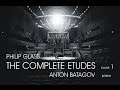
Anton Batagov’s Spotify BioRussian pianist Anton Batagov has established a unique identity as an energetic performer and as an original composer of post-minimalist music. A graduate of the Gnessin School of Music and the Moscow Conservatory, Batagov participated in the International Tchaikovsky Competition in 1986, and went on to perform the standard repertoire and avant-garde music with equal vigor. Batagov was the artistic director of the Alternativa Festival from 1989 to 1996, and led many programs of contemporary music. He stopped performing live in 1997, and for 12 years, devoted himself to composition and recording in the studio. He began composing soundtracks for film and television. He received the Steppenwolf Award in 2009, and returned to live performance with a series of piano recitals. He has recorded works by Bach for Melodiya and the piano music of Philip Glass for Orange Mountain Music.
Viberate is a music analytics platform built for A&Rs, artist managers, labels, booking agents, marketers, and artists.
It helps music professionals track artist growth, analyze audience data, monitor playlist activity, compare artists, follow song performance, and identify opportunities across the music market.
Public artist pages provide a free preview of selected artist data. Paid plans provide access to deeper analytics, historical data, charts, comparisons, playlist tools, exports, alerts, reports, and additional professional features.
Yes. Public Viberate artist pages provide selected artist analytics and music data for free.
Viberate also offers a 7-day free trial of the full platform. A credit card is required to start the trial. The trial includes access to the complete product so users can test deeper artist analytics, historical views, playlist insights, comparisons, charts, exports, alerts, and reporting features before choosing a paid plan.
Viberate provides artist analytics across streaming, playlists, social media, video, radio airplay, songs, and audience markets.
Users can analyze Spotify performance, Spotify and Apple Music playlists, YouTube activity, TikTok and Instagram growth, radio spins, song performance, audience locations, demographics, rankings, and overall artist momentum.
Artist profiles also connect to music charts, similar artists, and comparison tools, helping users benchmark performance and evaluate artists in context.
Viberate updates key artist and track data daily.
For followed artists and tracks, selected data is refreshed multiple times per day. This helps teams monitor playlist changes, streaming movement, audience growth, releases, and campaign performance with more current data.
Update frequency can vary depending on the metric and data source.
Yes. Viberate lets users compare up to five artists side by side across streaming, social media, audience, and engagement metrics.
Users can compare fanbase growth, audience demographics, locations, Spotify performance, social metrics, and other artist data over selected time periods.
Artist comparison can be used for A&R scouting, benchmarking, booking decisions, campaign planning, and evaluating artists with similar audiences or market positions.