Silas Neptune

Electronic
Dance
Space Rock
 Viberate Rank: 443801
 Viberate Rank: 443801
 Monthly ListenersFollowers
 Subscribers
 Followers
 Followers
 FansTop Spotify Songs
| Track | 7-Day Streams | |
|---|---|---|
1 | 19 | |
2 | 17 | |
3 | 13 | |
4 | 11 | |
5 | 11 |
Top YouTube VideosMonthly ListenersFeatured in PlaylistsAudience| City | Monthly Listeners | |
|---|---|---|
1 |  | 3 |
2 | | 3 |
3 |  | 3 |
See full performance history, audience data, playlist activity, rankings, comparisons, and more in Viberate music analytics. Start with a free trial, then continue with a paid plan.
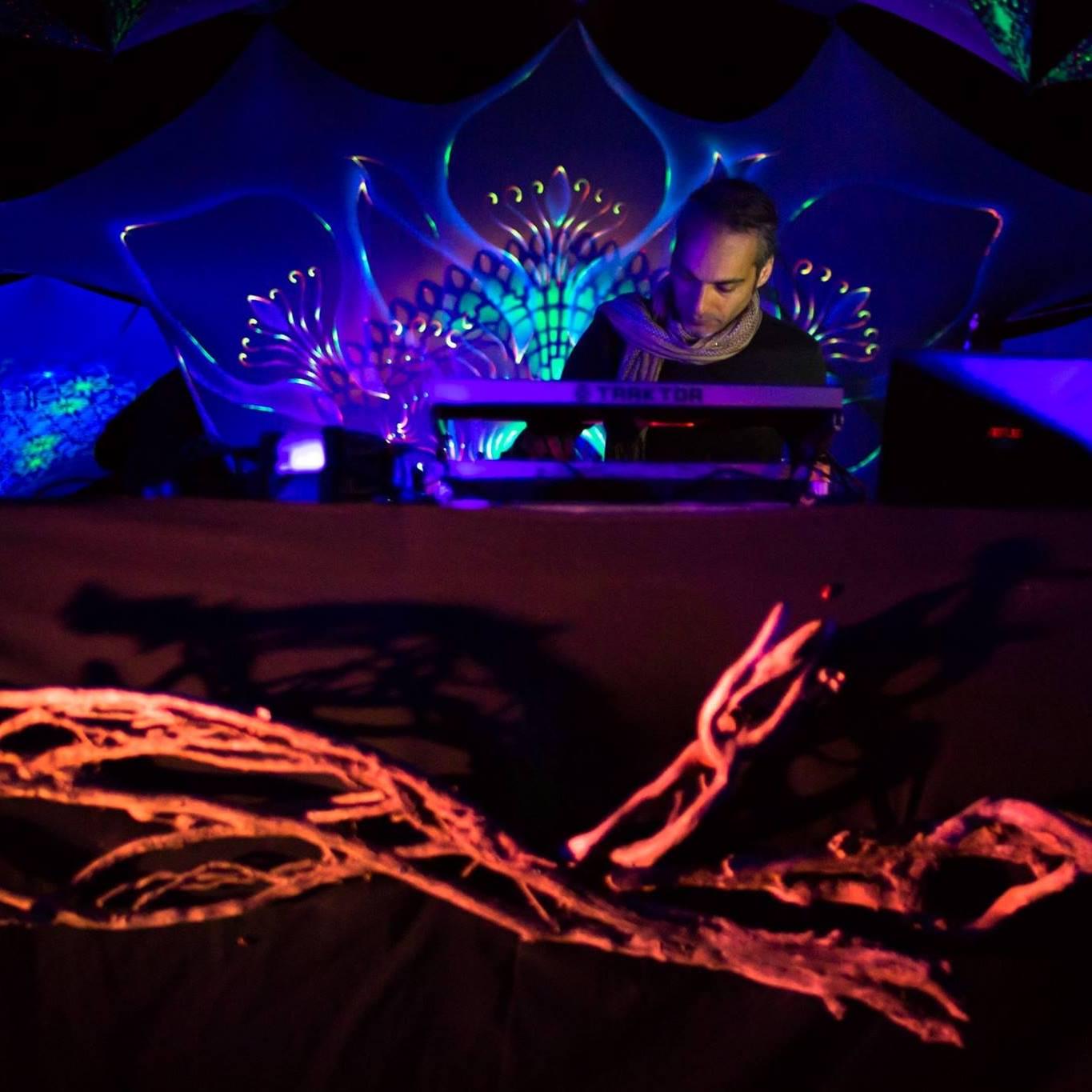
Silas Neptune’s Spotify BioSilas Neptune is the keyboard player for the UK Cult Indie band Ozric Tentacles. His newly released debut solo album “The Scales of Tahuti” is a journey through secret realms and far off dreamscapes, an exploration of the nature of the cosmos. Recorded in Colorado atop a mountain amongst the clouds, the music takes us high above the world for a while.
Silas is a unique musician with an evocative sense of harmony and a knack for enchanting melodies. Navigating a range of instruments, primarily synthesizers and guitar, but also Turkish saz and fretless bass. In his hidden sonic laboratory he experiments with musical alchemy, creating multidimensional soundscapes which take us through the waters of imagination. As expected, the listener tastes an instantly recognizable flavor akin to the parent band, but with tones of fresh new character and a modern Electronic sound.
Influences comes from many sources, reaching back to classics of Maurice Ravel and Debussy and forward through time to… Tipper, Ott, Shpongle and the alien dreams of Jon Hassell. Often experimenting with the use of microtonal intonation to intensify the evocations within the harmonies; Ancient Pythagorean tunings, Turkish intonations, and use of quartertones to create new unheard Scales and Modes. Breaking the rules of traditional music while still paying homage and respect to its roots.
In an attempt to unravel the fabric of space-time, this music is the result of Silas’s ventures into the unknown.
Viberate is a music analytics platform built for A&Rs, artist managers, labels, booking agents, marketers, and artists.
It helps music professionals track artist growth, analyze audience data, monitor playlist activity, compare artists, follow song performance, and identify opportunities across the music market.
Public artist pages provide a free preview of selected artist data. Paid plans provide access to deeper analytics, historical data, charts, comparisons, playlist tools, exports, alerts, reports, and additional professional features.
Yes. Public Viberate artist pages provide selected artist analytics and music data for free.
Viberate also offers a 7-day free trial of the full platform. A credit card is required to start the trial. The trial includes access to the complete product so users can test deeper artist analytics, historical views, playlist insights, comparisons, charts, exports, alerts, and reporting features before choosing a paid plan.
Viberate provides artist analytics across streaming, playlists, social media, video, radio airplay, songs, and audience markets.
Users can analyze Spotify performance, Spotify and Apple Music playlists, YouTube activity, TikTok and Instagram growth, radio spins, song performance, audience locations, demographics, rankings, and overall artist momentum.
Artist profiles also connect to music charts, similar artists, and comparison tools, helping users benchmark performance and evaluate artists in context.
Viberate updates key artist and track data daily.
For followed artists and tracks, selected data is refreshed multiple times per day. This helps teams monitor playlist changes, streaming movement, audience growth, releases, and campaign performance with more current data.
Update frequency can vary depending on the metric and data source.
Yes. Viberate lets users compare up to five artists side by side across streaming, social media, audience, and engagement metrics.
Users can compare fanbase growth, audience demographics, locations, Spotify performance, social metrics, and other artist data over selected time periods.
Artist comparison can be used for A&R scouting, benchmarking, booking decisions, campaign planning, and evaluating artists with similar audiences or market positions.