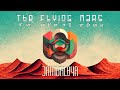
The Flying Mars

Electronic
Downtempo
 Viberate Rank: 427515
 Viberate Rank: 427515
 Monthly ListenersFollowers
 Subscribers
 Followers
 Followers
 FansTop Spotify Songs
| Track | 7-Day Streams | |
|---|---|---|
1 | 63 | |
2 | 48 | |
3 | 39 | |
4 | 37 | |
5 | 36 |
Top YouTube VideosMonthly ListenersFeatured in Playlists| Playlist | Followers | |
|---|---|---|
1 |  Psychill, Psybient Ashraf Mohamed | 14.77K |
2 |  Psychill – 2026 (Psybient, Downtempo, Psychedelic Chillout, Chillgressive, Slow Trance, Psydub) MindGum | 5.22K |
3 |  🍄 Psydub | Psychill | Psybient 🍄 impulse | 2.67K |
4 |  Merkaba Music Official Playlist Merkaba Music | 2.42K |
5 |  Ozora 2027: The Dome grasbroek | 2.00K |
Audience| City | Monthly Listeners | |
|---|---|---|
1 |  | 33 |
2 |  | 14 |
3 |  | 9 |
4 |  | 9 |
5 |  | 6 |
See full performance history, audience data, playlist activity, rankings, comparisons, and more in Viberate music analytics. Start with a free trial, then continue with a paid plan.
The Flying Mars’ Spotify BioUnusual and alternative sounds, experimentation in rhythm and melodic alterations: all of this is The Flying Mars project. Mario Engel, hailing from the green valleys in the middle of the Swiss Alps, was always in contact with different genres and had a good ear for many kinds of music. Now, with his “The Flying Mars” project he wants to channel all of his auditory and composing experiences into a mind-bending mix of creativity, giving his contribution to the already variegated world of electronic music.
The Flying Mars combines Psy-Dub, Ambient, Psy-Chill, as well as Drum & Bass and Psy-Trance, with flowing rhythms and deep bass lines. Through variations, mixing, tests and sonic atom splitting, The Flying Mars’ project strives to simultaneously stimulate mind, body and soul.
Viberate is a music analytics platform built for A&Rs, artist managers, labels, booking agents, marketers, and artists.
It helps music professionals track artist growth, analyze audience data, monitor playlist activity, compare artists, follow song performance, and identify opportunities across the music market.
Public artist pages provide a free preview of selected artist data. Paid plans provide access to deeper analytics, historical data, charts, comparisons, playlist tools, exports, alerts, reports, and additional professional features.
Yes. Public Viberate artist pages provide selected artist analytics and music data for free.
Viberate also offers a 7-day free trial of the full platform. A credit card is required to start the trial. The trial includes access to the complete product so users can test deeper artist analytics, historical views, playlist insights, comparisons, charts, exports, alerts, and reporting features before choosing a paid plan.
Viberate provides artist analytics across streaming, playlists, social media, video, radio airplay, songs, and audience markets.
Users can analyze Spotify performance, Spotify and Apple Music playlists, YouTube activity, TikTok and Instagram growth, radio spins, song performance, audience locations, demographics, rankings, and overall artist momentum.
Artist profiles also connect to music charts, similar artists, and comparison tools, helping users benchmark performance and evaluate artists in context.
Viberate updates key artist and track data daily.
For followed artists and tracks, selected data is refreshed multiple times per day. This helps teams monitor playlist changes, streaming movement, audience growth, releases, and campaign performance with more current data.
Update frequency can vary depending on the metric and data source.
Yes. Viberate lets users compare up to five artists side by side across streaming, social media, audience, and engagement metrics.
Users can compare fanbase growth, audience demographics, locations, Spotify performance, social metrics, and other artist data over selected time periods.
Artist comparison can be used for A&R scouting, benchmarking, booking decisions, campaign planning, and evaluating artists with similar audiences or market positions.