Shunzo Ohno

Jazz
Smooth Jazz
Jazz Fusion
 Viberate Rank: 329350
 Viberate Rank: 329350
 Monthly ListenersFollowers
 Subscribers
 Followers
 Followers
 FansTop Spotify Songs
| Track | 7-Day Streams | |
|---|---|---|
1 | 633 | |
2 | 290 | |
3 | 86 | |
4 | 86 | |
5 | 75 |
Top YouTube VideosMonthly ListenersFeatured in Playlists| Playlist | Followers | |
|---|---|---|
1 |  Elevator Music Smash Meatchunk | 136.33K |
2 |  Japanese Coffee Jazz Chris Grit | 19.57K |
3 |  The NTS Breakfast Show w/ Flo - NTS NTS ᵇᵒᵗ (killed 2026/03) | 12.72K |
4 |  Japanese Jazz Fusion KeifromSD | 7.66K |
5 |  Deep Spiritual Jazz Neil Lampert | 7.31K |
Audience| City | Monthly Listeners | |
|---|---|---|
1 | | 50 |
2 | | 44 |
3 |  | 38 |
4 | | 37 |
5 |  | 32 |
See full performance history, audience data, playlist activity, rankings, comparisons, and more in Viberate music analytics. Start with a free trial, then continue with a paid plan.
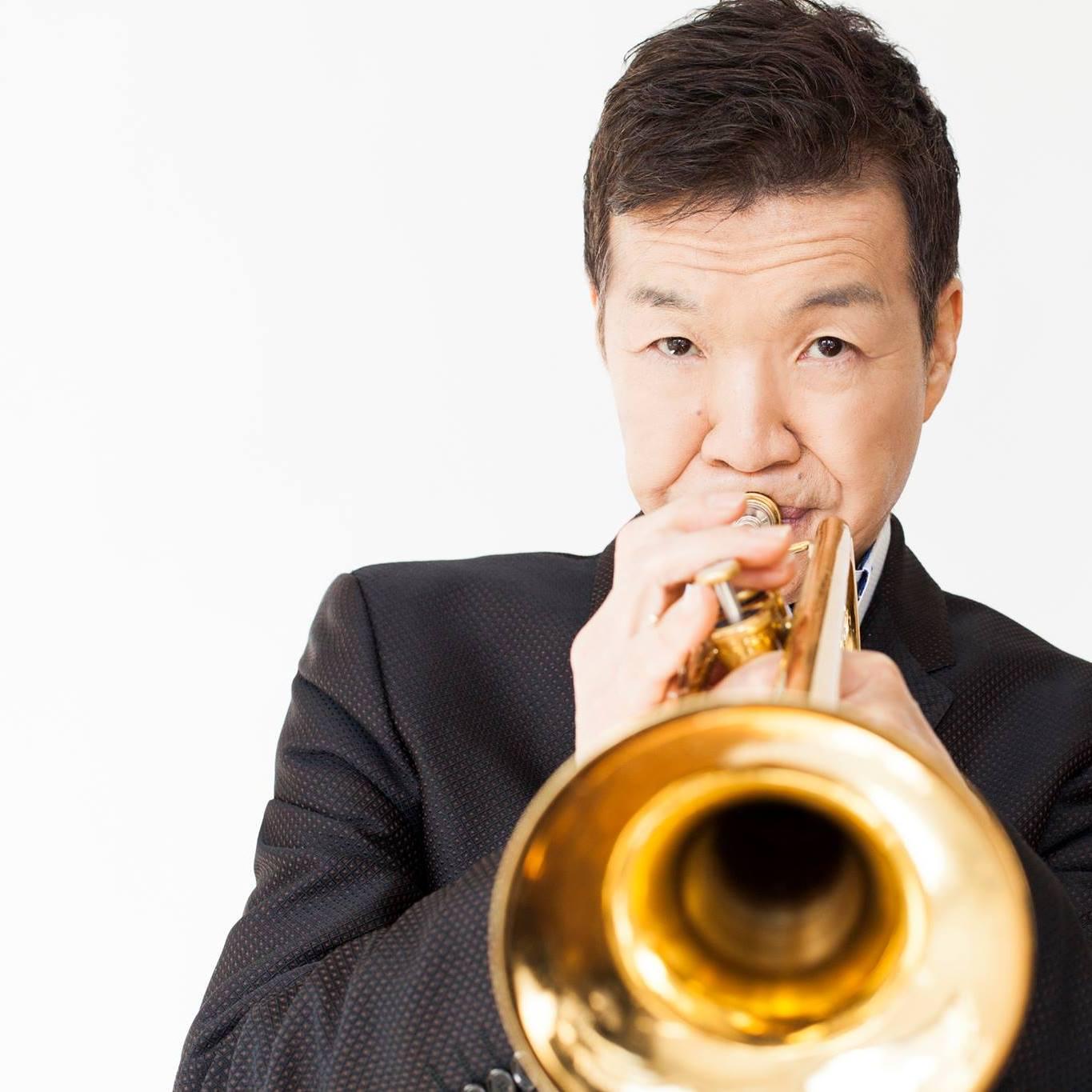
Shunzo Ohno’s Spotify BioShunzo Ohno “[Shunzo Ohno]…plays tight, crisply phrased lines with a stabbing rhythmic effect. Without the mute, his open tone has a broad, ringing sound that soars through high powered driving lines…” The New York Times
Shunzo Ohno became the leading jazz trumpeter in Japan when he met the renowned bandleader/drummer, Art Blakey. Under Art’s tutelage, Shunzo toured the United Sates and settled in New York City (1974) He then joined one of his most influential mentor, master arranger/composer, Gil Evans. Recording on several of Gil’s releases. Two Grammy award-winning recordings at this time were Live at Sweet Basil with Gil Evans and Machito and His Salsa Big Band.
Returning to Japan with the SuperSounds, a group that included jazz innovators, Herbie Hancock, Wayne Shorter and Larry Coryell broadened his sound.
Significant joint projects with the Howard University Jazz Ensemble at the Kennedy Center (DC) uniting cultures, have been particularly meaningful to Shunzo.. His film projects… include the award-winning Children’s Rights Organization, TreShawn and the major-motion picture, Firefly in Japan.
“Clearly Shunzo Ohno is no ordinary man. A spectacular trumpeter and an even greater musician. His music is enchanting, poignant, with legendary qualities of character, bravery and the spirit of the samurai…” JAZZDAGAMA Raul DeGama
Viberate is a music analytics platform built for A&Rs, artist managers, labels, booking agents, marketers, and artists.
It helps music professionals track artist growth, analyze audience data, monitor playlist activity, compare artists, follow song performance, and identify opportunities across the music market.
Public artist pages provide a free preview of selected artist data. Paid plans provide access to deeper analytics, historical data, charts, comparisons, playlist tools, exports, alerts, reports, and additional professional features.
Yes. Public Viberate artist pages provide selected artist analytics and music data for free.
Viberate also offers a 7-day free trial of the full platform. A credit card is required to start the trial. The trial includes access to the complete product so users can test deeper artist analytics, historical views, playlist insights, comparisons, charts, exports, alerts, and reporting features before choosing a paid plan.
Viberate provides artist analytics across streaming, playlists, social media, video, radio airplay, songs, and audience markets.
Users can analyze Spotify performance, Spotify and Apple Music playlists, YouTube activity, TikTok and Instagram growth, radio spins, song performance, audience locations, demographics, rankings, and overall artist momentum.
Artist profiles also connect to music charts, similar artists, and comparison tools, helping users benchmark performance and evaluate artists in context.
Viberate updates key artist and track data daily.
For followed artists and tracks, selected data is refreshed multiple times per day. This helps teams monitor playlist changes, streaming movement, audience growth, releases, and campaign performance with more current data.
Update frequency can vary depending on the metric and data source.
Yes. Viberate lets users compare up to five artists side by side across streaming, social media, audience, and engagement metrics.
Users can compare fanbase growth, audience demographics, locations, Spotify performance, social metrics, and other artist data over selected time periods.
Artist comparison can be used for A&R scouting, benchmarking, booking decisions, campaign planning, and evaluating artists with similar audiences or market positions.