Shook Twins

Pop
Indie Pop
Newgrass
 Viberate Rank: 125008
 Viberate Rank: 125008
 Monthly ListenersFollowers
 Subscribers
 Followers
 Followers
 FansTop Spotify Songs
| Track | 7-Day Streams | |
|---|---|---|
1 | 29.45K | |
2 | 4.81K | |
3 | 4.32K | |
4 | 2.80K | |
5 | 2.52K |
Top YouTube VideosMonthly ListenersFeatured in Playlists| Playlist | Followers | |
|---|---|---|
1 |  Morning Acoustic Spotify | 1.06M |
2 |  Women of Folk Spotify | 336.54K |
3 |  This Is Gregory Alan Isakov Spotify | 85.68K |
4 |  Folk Feast Spotify | 74.58K |
5 |  Bertha's Breakfast Songs BriannaMadia | 23.87K |
Audience| City | Monthly Listeners | |
|---|---|---|
1 | | 1.30K |
2 | | 1.00K |
3 | | 678 |
4 |  | 638 |
5 | | 588 |
See full performance history, audience data, playlist activity, rankings, comparisons, and more in Viberate music analytics. Start with a free trial, then continue with a paid plan.
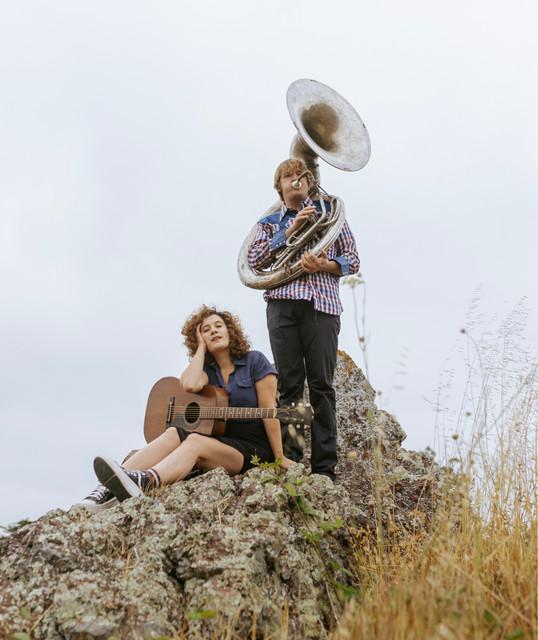
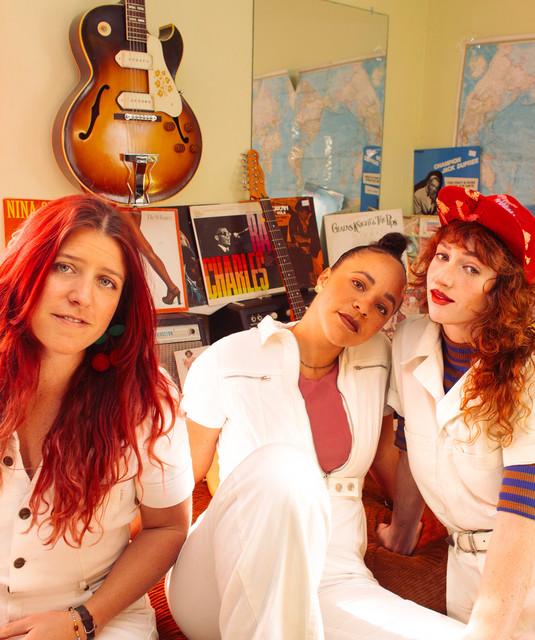
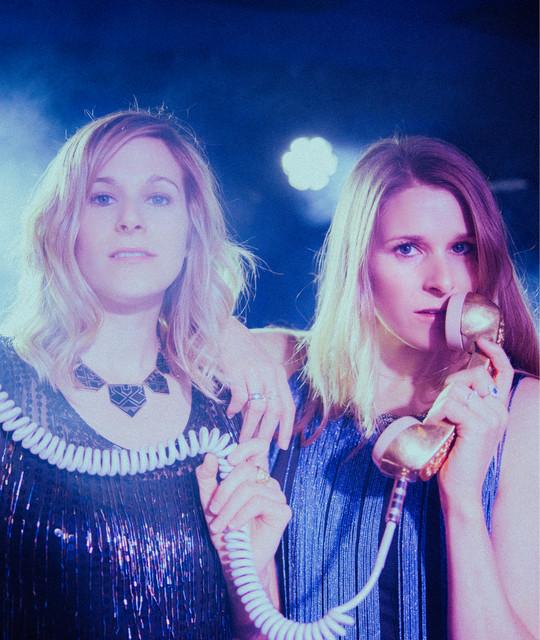
Shook Twins’ Spotify BioOne day back in 2007, identical twin sisters Katelyn Shook [vocals, guitar] and Laurie Shook [banjo, percussion, vocals] found themselves writing, recording, and performing as Shook Twins. To their recollection, the pair never hatched a plan or even properly discussed it.
Hundreds of shows, four albums and 2 EPs later, the duo continue to tread this path.
Since their 2008 debut You Can Have The Rest, Shook Twins have conjured up dreamy folk with ghostly traces of Americana tradition uplifted by transcendently hummable melodies and lilting cinematic instrumentation. They’ve graced legendary stages such as Red Rocks Amphitheatre with Gregory Alan Isakov and Ani DiFranco in addition to sharing bills with The Lumineers, The Head and the Heart, Sarah Jarosz, The Wood Brothers, and many others. Not to mention, they’ve carved a home for themselves after playing Northwest String Summit and Oregon County Fair over ten times each as well as appearing at many other festivals around the country
.… During 2012, the band welcomed multi-instrumentalist and “everything dude” Niko Slice on guitar, mandolin, and bass. Rounding out the sound (and the family) further, keyboardist and bassist Aber Miller and drummer Alex Radakovich joined the fold in 2018.
“We essentially morph into different settings,” observes Katelyn. “We can be a mellow duo, folk-rock club band, or weird late-night band. We love this sense of musical diversity.”
Viberate is a music analytics platform built for A&Rs, artist managers, labels, booking agents, marketers, and artists.
It helps music professionals track artist growth, analyze audience data, monitor playlist activity, compare artists, follow song performance, and identify opportunities across the music market.
Public artist pages provide a free preview of selected artist data. Paid plans provide access to deeper analytics, historical data, charts, comparisons, playlist tools, exports, alerts, reports, and additional professional features.
Yes. Public Viberate artist pages provide selected artist analytics and music data for free.
Viberate also offers a 7-day free trial of the full platform. A credit card is required to start the trial. The trial includes access to the complete product so users can test deeper artist analytics, historical views, playlist insights, comparisons, charts, exports, alerts, and reporting features before choosing a paid plan.
Viberate provides artist analytics across streaming, playlists, social media, video, radio airplay, songs, and audience markets.
Users can analyze Spotify performance, Spotify and Apple Music playlists, YouTube activity, TikTok and Instagram growth, radio spins, song performance, audience locations, demographics, rankings, and overall artist momentum.
Artist profiles also connect to music charts, similar artists, and comparison tools, helping users benchmark performance and evaluate artists in context.
Viberate updates key artist and track data daily.
For followed artists and tracks, selected data is refreshed multiple times per day. This helps teams monitor playlist changes, streaming movement, audience growth, releases, and campaign performance with more current data.
Update frequency can vary depending on the metric and data source.
Yes. Viberate lets users compare up to five artists side by side across streaming, social media, audience, and engagement metrics.
Users can compare fanbase growth, audience demographics, locations, Spotify performance, social metrics, and other artist data over selected time periods.
Artist comparison can be used for A&R scouting, benchmarking, booking decisions, campaign planning, and evaluating artists with similar audiences or market positions.