Rainbow Girls

Country
Americana/Alt Country
Blues Rock
 Viberate Rank: 65312
 Viberate Rank: 65312
 Monthly ListenersFollowers
 Subscribers
 Followers
 Followers
 FansTop Spotify Songs
| Track | 7-Day Streams | |
|---|---|---|
1 | 20.48K | |
2 | 5.87K | |
3 | 5.14K | |
4 | 4.52K | |
5 | 3.98K |
Top YouTube VideosMonthly ListenersFeatured in Playlists| Playlist | Followers | |
|---|---|---|
1 |  Folk Feast Spotify | 74.58K |
2 |  LGBTQ+ Playlist 🏳️🌈 orsoscrappy10 | 45.24K |
3 |  a walk in the forest LazyFrenzy | 41.04K |
4 |  Chill & Relax 😴 holloway | 15.38K |
5 |  Western AF ( Official Playlist ) Western AF | 15.21K |
Audience| City | Monthly Listeners | |
|---|---|---|
1 | | 1.25K |
2 |  | 1.23K |
3 | | 967 |
4 | | 959 |
5 | | 906 |
See full performance history, audience data, playlist activity, rankings, comparisons, and more in Viberate music analytics. Start with a free trial, then continue with a paid plan.
Rainbow Girls’ Spotify BioWe’re just a couple’a heads on bodies doing our best over here. Makes you feel warm, like a soup or a hot glove. We highly recommend us for you.
October 13th, 2024 saw the release of Rainbow Girls’ latest record, “HAUNTING,” a melancholic collection of songs dealing with death, loss, and trauma. “HAUNTING” was recorded at their home studio by engineer Jeremy Lyon (King Dream), featuring string arrangements by Chris Lynch ("sms to the void”), Griffin Goldsmith & Trevor MeNear of Dawes (“paying my tab”), and a band collab with hot brother (“spread me thin”).
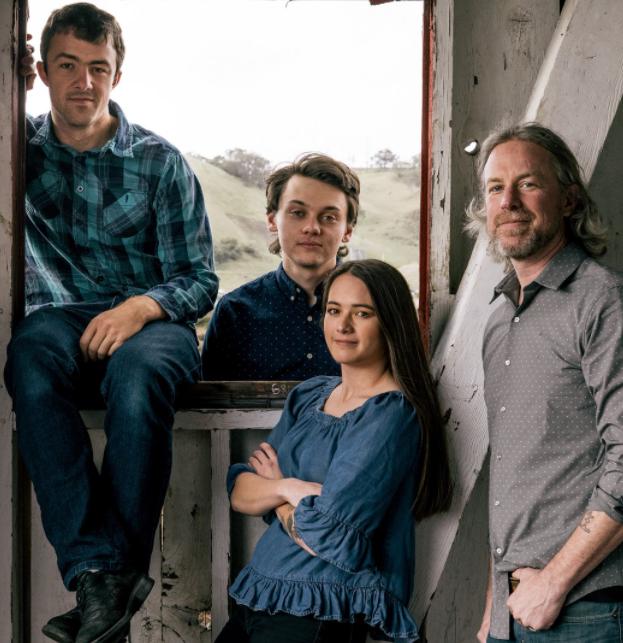
Rainbow Girls consists of Vanessa May, Erin Chapin (Beaucoup Dolores), & Caitlin Gowdey all living together in Northern California’s Bay Area. The band is part of an expansive web of artists and their house is a hub for the greater musical community. Their home has been the birth place of the last several Rainbow Girls records (American Dream, Welcome to Whatever, Rolling Dumpster Fire, Haunting), as well as John Craigie’s “Asterisk… the Universe”, Aviva Le Fey’s “The Fool,” and Eric Long’s “Sea Dreamer,” in addition to tracks by King Dream, hot brother, Caitlin Jemma, The Heeters, Daniel Steinbock, & more.
Viberate is a music analytics platform built for A&Rs, artist managers, labels, booking agents, marketers, and artists.
It helps music professionals track artist growth, analyze audience data, monitor playlist activity, compare artists, follow song performance, and identify opportunities across the music market.
Public artist pages provide a free preview of selected artist data. Paid plans provide access to deeper analytics, historical data, charts, comparisons, playlist tools, exports, alerts, reports, and additional professional features.
Yes. Public Viberate artist pages provide selected artist analytics and music data for free.
Viberate also offers a 7-day free trial of the full platform. A credit card is required to start the trial. The trial includes access to the complete product so users can test deeper artist analytics, historical views, playlist insights, comparisons, charts, exports, alerts, and reporting features before choosing a paid plan.
Viberate provides artist analytics across streaming, playlists, social media, video, radio airplay, songs, and audience markets.
Users can analyze Spotify performance, Spotify and Apple Music playlists, YouTube activity, TikTok and Instagram growth, radio spins, song performance, audience locations, demographics, rankings, and overall artist momentum.
Artist profiles also connect to music charts, similar artists, and comparison tools, helping users benchmark performance and evaluate artists in context.
Viberate updates key artist and track data daily.
For followed artists and tracks, selected data is refreshed multiple times per day. This helps teams monitor playlist changes, streaming movement, audience growth, releases, and campaign performance with more current data.
Update frequency can vary depending on the metric and data source.
Yes. Viberate lets users compare up to five artists side by side across streaming, social media, audience, and engagement metrics.
Users can compare fanbase growth, audience demographics, locations, Spotify performance, social metrics, and other artist data over selected time periods.
Artist comparison can be used for A&R scouting, benchmarking, booking decisions, campaign planning, and evaluating artists with similar audiences or market positions.