Shit And Shine

Electronic
Downtempo
Noise Rock
Funk
 Viberate Rank: 244644
 Viberate Rank: 244644
 Monthly ListenersFollowers
 Subscribers
 Followers
 Followers
 FansTop Spotify Songs
| Track | 7-Day Streams | |
|---|---|---|
1 | 312 | |
2 | 284 | |
3 | 261 | |
4 | 236 | |
5 | 222 |
Top YouTube VideosMonthly ListenersFeatured in Playlists| Playlist | Followers | |
|---|---|---|
1 |  Living In My Headphones James Lavelle (UNKLE) | 16.04K |
2 | space rock & psychedelia Edson Alejandro Adame | 8.05K |
3 |  Gilles Peterson Worldwide • updated 11/2026 Stéphane Rolland | 7.47K |
4 |  ALL DJ KICKS R. Aguilera | 7.27K |
5 |  WFMU's Heavily Played Records WFMU | 7.28K |
Audience| City | Monthly Listeners | |
|---|---|---|
1 | | 323 |
2 |  | 162 |
3 |  | 97 |
4 | | 92 |
5 |  | 91 |
See full performance history, audience data, playlist activity, rankings, comparisons, and more in Viberate music analytics. Start with a free trial, then continue with a paid plan.
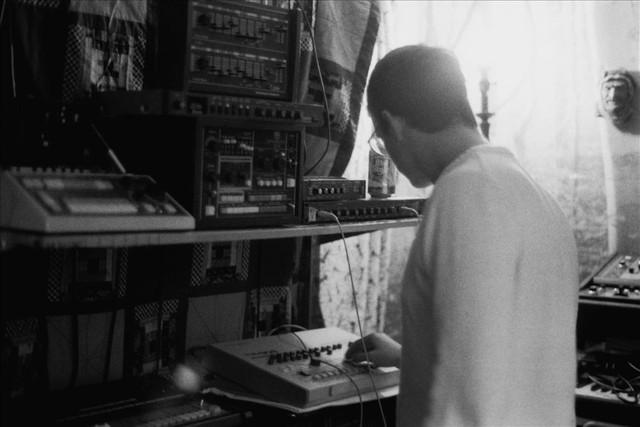
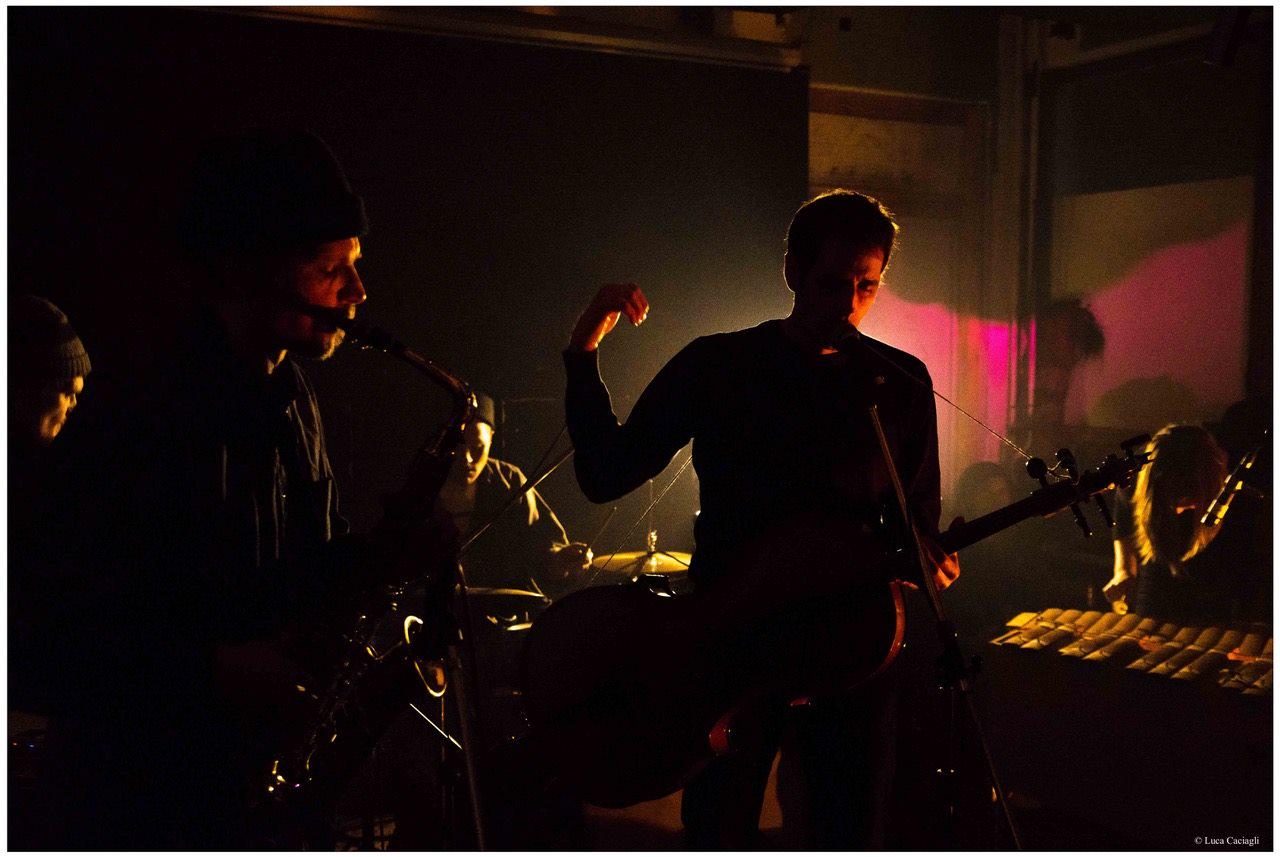
Shit And Shine’s Spotify BioThe musical brainchild of Craig Clouse and featuring collaborators from the U.K. and Texas, Shit & Shine began as a noise and hard electronics project and later moved into more eclectic and sometimes danceable sounds. Shit & Shine's 2004 debut album, You're Lucky to Have Friends Like Us, introduced the sense of humor, as well as cheeky samples and numerous drummers, that set Clouse apart from other noise and experimental acts around at the time. Proving to be a prolific producer, he issued a slew of releases on the Riot Season label throughout the mid- and late 2000s. His productions started to resonate with industrial and noise revival sounds from the likes of Powell and Russell Haswell in 2012 and beyond. Powell subsequently signed Clouse to his Diagonal label, and Clouse released a four-track EP in 2013. He followed this up with the full-length Powder Horn in 2014. With 2015's 54 Synth-Brass, 38 Metal Guitar, 65 Cathedral, Clouse incorporated dance elements -- as well as jazz, funk,… and Krautrock -- into Shit & Shine's music, while that year's Chakin' compilation gathered Sun Ra and Miles Davis-inspired tracks recorded for Clouse's Tuesday Jazz Chat series on YouTube. Later that year, Clouse moved to Editions Mego for Everybody's a Fuckin Expert, which blended noise, techno, funk, and dub. Shit & Shine remained unpredictable with 2016's grindcore-influenced Teardrops and the following year's Some People Really Know How to Live, Clouse's most dancefloor-oriented release yet. ~ Aneet Nijjar, Rovi
Viberate is a music analytics platform built for A&Rs, artist managers, labels, booking agents, marketers, and artists.
It helps music professionals track artist growth, analyze audience data, monitor playlist activity, compare artists, follow song performance, and identify opportunities across the music market.
Public artist pages provide a free preview of selected artist data. Paid plans provide access to deeper analytics, historical data, charts, comparisons, playlist tools, exports, alerts, reports, and additional professional features.
Yes. Public Viberate artist pages provide selected artist analytics and music data for free.
Viberate also offers a 7-day free trial of the full platform. A credit card is required to start the trial. The trial includes access to the complete product so users can test deeper artist analytics, historical views, playlist insights, comparisons, charts, exports, alerts, and reporting features before choosing a paid plan.
Viberate provides artist analytics across streaming, playlists, social media, video, radio airplay, songs, and audience markets.
Users can analyze Spotify performance, Spotify and Apple Music playlists, YouTube activity, TikTok and Instagram growth, radio spins, song performance, audience locations, demographics, rankings, and overall artist momentum.
Artist profiles also connect to music charts, similar artists, and comparison tools, helping users benchmark performance and evaluate artists in context.
Viberate updates key artist and track data daily.
For followed artists and tracks, selected data is refreshed multiple times per day. This helps teams monitor playlist changes, streaming movement, audience growth, releases, and campaign performance with more current data.
Update frequency can vary depending on the metric and data source.
Yes. Viberate lets users compare up to five artists side by side across streaming, social media, audience, and engagement metrics.
Users can compare fanbase growth, audience demographics, locations, Spotify performance, social metrics, and other artist data over selected time periods.
Artist comparison can be used for A&R scouting, benchmarking, booking decisions, campaign planning, and evaluating artists with similar audiences or market positions.