Beau Wanzer

Electronic
Downtempo
Other Electronic Music
 Viberate Rank: 213432
 Viberate Rank: 213432
 Monthly ListenersFollowers
 Subscribers
 Followers
 Followers
 FansTop Spotify Songs
| Track | 7-Day Streams | |
|---|---|---|
1 | 255 | |
2 | 129 | |
3 | 118 | |
4 | 97 | |
5 | 82 |
Top YouTube VideosMonthly ListenersFeatured in Playlists| Playlist | Followers | |
|---|---|---|
1 |  BEN UFO - TRACKS PLAYED/POSTED BY BUFO Amanda Claudio | 12.04K |
2 |  Add to playlist: the Guardian’s favourite new tracks Guardian Music | 10.52K |
3 |  Daniel Avery - Magic + Memory [a playlist] Daniel Avery | 7.63K |
4 |  Kitchen teedofficial | 5.34K |
5 |  connor storrie’s impeccable music taste sinnaa | 4.62K |
Audience| City | Monthly Listeners | |
|---|---|---|
1 | | 61 |
2 |  | 60 |
3 |  | 49 |
4 | | 43 |
5 | | 43 |
See full performance history, audience data, playlist activity, rankings, comparisons, and more in Viberate music analytics. Start with a free trial, then continue with a paid plan.
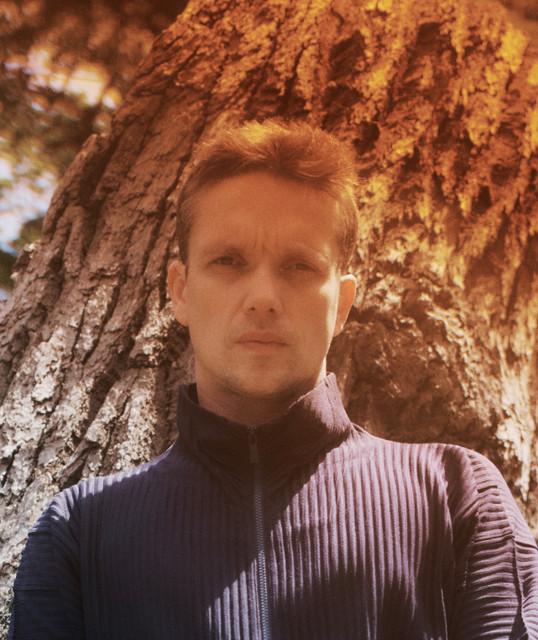
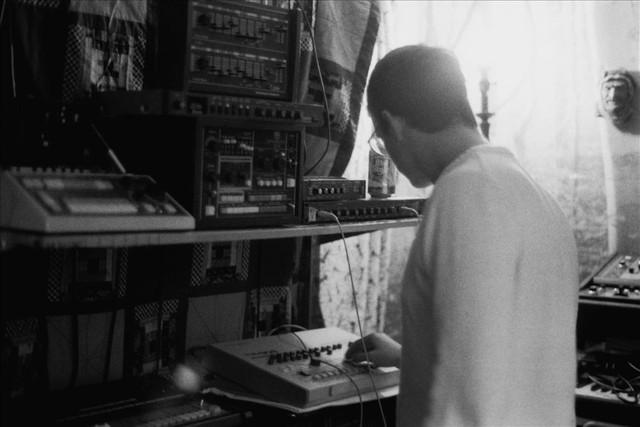
Beau Wanzer’s Spotify BioChicago-based producer Beau Wanzer makes dark, gritty electronic music inspired by early industrial and minimal synth from the '70s and '80s as well as low-budget horror films from around the same time period. Often consisting of zombified vocals croaking over hypnotic machine rhythms, his music is eerie, grotesque, and a bit sleazy, but it always contains a crucial element of twisted, macabre humor. While some of his tracks are DJ-friendly and he's often associated with techno, he doesn't consider himself a part of the genre.
Wanzer grew up in Midwestern America, and his family constantly relocated, so he never spent more than a year in the same place. He got heavily into industrial and EBM as a teenager, with acts like Absolute Body Control and Front 242 making a major impact on him. Later he got into power electronics and noise, particularly labels like Cold Meat Industry and Ant-Zen. He began making music at age 18, and after moving to Chicago around the turn of the millennium, he… started working at Weekend Records & Soap, a shop run by Magas, where he was exposed to the darker corners of electro and techno. He continued recording raw, one-take minimal electronic pieces, slowly amassing a huge catalog of material. He became friends with Melvin Oliphant (aka Traxx), and the two eventually started making house music together as Mutant Beat Dance; their work was released on labels like Rong Music and Rush Hour. Wanzer also recorded hypnotic electropop with White Car's Elon Katz under the name Streetwalker, and worked with Shawn O'Sullivan (Led Er Est, Further Reductions), producing techno as Civil Duty.
Wanzer began releasing solo material in 2013, with a self-titled EP on Ron Morelli's L.I.E.S. (Long Island Electrical Systems) as well as two 12"s on its Russian Torrent Versions sublabel. Wanzer's Power Outage 10" EP was released by Oliphant's Nation label in 2014. Since then, Wanzer has self-released several limited, untitled LPs and singles, including a 2015 collaboration with Corporate Park. He also collaborated with Maoupa Mazzocchetti under the name De-Bons-en-Pierre; their debut EP, Crepes, was released by Dark Entries in 2017. ~ Paul Simpson, Rovi
Viberate is a music analytics platform built for A&Rs, artist managers, labels, booking agents, marketers, and artists.
It helps music professionals track artist growth, analyze audience data, monitor playlist activity, compare artists, follow song performance, and identify opportunities across the music market.
Public artist pages provide a free preview of selected artist data. Paid plans provide access to deeper analytics, historical data, charts, comparisons, playlist tools, exports, alerts, reports, and additional professional features.
Yes. Public Viberate artist pages provide selected artist analytics and music data for free.
Viberate also offers a 7-day free trial of the full platform. A credit card is required to start the trial. The trial includes access to the complete product so users can test deeper artist analytics, historical views, playlist insights, comparisons, charts, exports, alerts, and reporting features before choosing a paid plan.
Viberate provides artist analytics across streaming, playlists, social media, video, radio airplay, songs, and audience markets.
Users can analyze Spotify performance, Spotify and Apple Music playlists, YouTube activity, TikTok and Instagram growth, radio spins, song performance, audience locations, demographics, rankings, and overall artist momentum.
Artist profiles also connect to music charts, similar artists, and comparison tools, helping users benchmark performance and evaluate artists in context.
Viberate updates key artist and track data daily.
For followed artists and tracks, selected data is refreshed multiple times per day. This helps teams monitor playlist changes, streaming movement, audience growth, releases, and campaign performance with more current data.
Update frequency can vary depending on the metric and data source.
Yes. Viberate lets users compare up to five artists side by side across streaming, social media, audience, and engagement metrics.
Users can compare fanbase growth, audience demographics, locations, Spotify performance, social metrics, and other artist data over selected time periods.
Artist comparison can be used for A&R scouting, benchmarking, booking decisions, campaign planning, and evaluating artists with similar audiences or market positions.