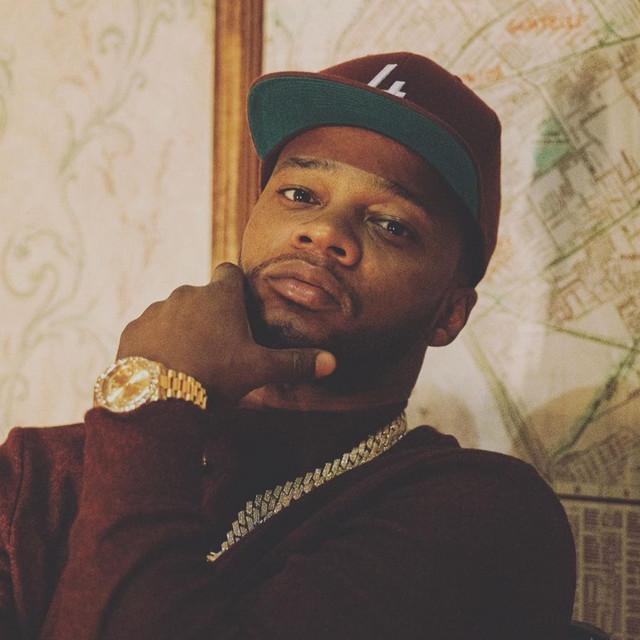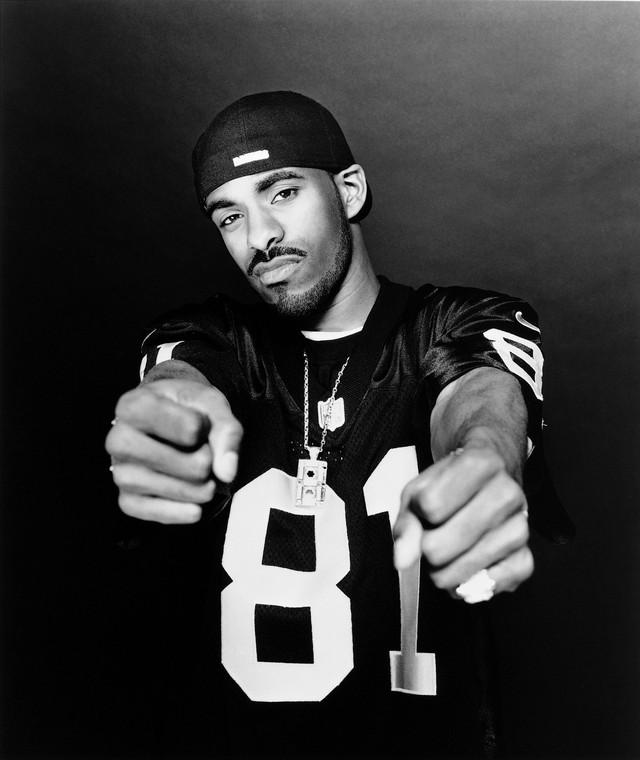
Sheek Louch

Hip Hop
Trap
Contemporary Hip Hop
 Viberate Rank: 28260
 Viberate Rank: 28260
 Monthly ListenersFollowers
 Subscribers
 Followers
 Followers
 FansTop Spotify Songs
| Track | 7-Day Streams | |
|---|---|---|
1 | 33.39K | |
2 | 15.70K | |
3 | 11.73K | |
4 | 9.74K | |
5 | 9.42K |
Top YouTube VideosMonthly ListenersFeatured in Playlists| Playlist | Followers | |
|---|---|---|
1 |  Hip Hop 90's & 2000's - Classics Bruno Braga | 452.78K |
2 |  2026 new songs / Updated Tiktok music Rose | 103.55K |
3 |  Eminem All Songs dionrozeveld | 93.47K |
4 | NEW SH*T || Updated weekly || ORIGINAL RAPCAVIAR Simon Grum | 91.04K |
5 | Hip Hop 90's & 2000's - Classics Bruno | 60.08K |
Audience| City | Monthly Listeners | |
|---|---|---|
1 | | 8.04K |
2 | | 5.16K |
3 | | 4.92K |
4 |  | 3.32K |
5 |  | 3.27K |
See full performance history, audience data, playlist activity, rankings, comparisons, and more in Viberate music analytics. Start with a free trial, then continue with a paid plan.
Sheek Louch’s Spotify BioSheek Louch united with childhood friends Jadakiss and Styles to form the LOX, and the trio in turn signed with Bad Boy in the late '90s. The LOX appeared on numerous Bad Boy-affiliated songs as guests and even released an album of their own, Money, Power & Respect (1998), which yielded a hit single of the same name. The LOX left Bad Boy soon afterward to join the Ruff Ryders camp, where the trio's style of hardcore rap fit better alongside other rugged rappers such as DMX. There, the LOX released their second album, We Are the Streets (2000), followed by solo albums from each of the members. Sheek released his solo debut, Walk Witt Me, in 2003 on the group's own Universal-distributed label, D-Block. Despite modest promotion, the label debuted in the Billboard Top Ten, confirming the group's street-level appeal. Silverback Gorilla followed in 2008, with Donnie G: Don Gorilla arriving in 2010. In 2014 he issued the sequel Silverback Gorilla 2 with A$AP Ferg, Ghostface Killah, and Raheem… DeVaughn all on the guest list. ~ Jason Birchmeier, Rovi
Viberate is a music analytics platform built for A&Rs, artist managers, labels, booking agents, marketers, and artists.
It helps music professionals track artist growth, analyze audience data, monitor playlist activity, compare artists, follow song performance, and identify opportunities across the music market.
Public artist pages provide a free preview of selected artist data. Paid plans provide access to deeper analytics, historical data, charts, comparisons, playlist tools, exports, alerts, reports, and additional professional features.
Yes. Public Viberate artist pages provide selected artist analytics and music data for free.
Viberate also offers a 7-day free trial of the full platform. A credit card is required to start the trial. The trial includes access to the complete product so users can test deeper artist analytics, historical views, playlist insights, comparisons, charts, exports, alerts, and reporting features before choosing a paid plan.
Viberate provides artist analytics across streaming, playlists, social media, video, radio airplay, songs, and audience markets.
Users can analyze Spotify performance, Spotify and Apple Music playlists, YouTube activity, TikTok and Instagram growth, radio spins, song performance, audience locations, demographics, rankings, and overall artist momentum.
Artist profiles also connect to music charts, similar artists, and comparison tools, helping users benchmark performance and evaluate artists in context.
Viberate updates key artist and track data daily.
For followed artists and tracks, selected data is refreshed multiple times per day. This helps teams monitor playlist changes, streaming movement, audience growth, releases, and campaign performance with more current data.
Update frequency can vary depending on the metric and data source.
Yes. Viberate lets users compare up to five artists side by side across streaming, social media, audience, and engagement metrics.
Users can compare fanbase growth, audience demographics, locations, Spotify performance, social metrics, and other artist data over selected time periods.
Artist comparison can be used for A&R scouting, benchmarking, booking decisions, campaign planning, and evaluating artists with similar audiences or market positions.