Shawn Colvin

Country
Americana/Alt Country
Mainstream Pop
Folk Rock
 Viberate Rank: 29720
 Viberate Rank: 29720
 Monthly ListenersFollowers
 Subscribers
 Followers
 Followers
 FansTop Spotify Songs
| Track | 7-Day Streams | |
|---|---|---|
1 | 119.30K | |
2 | 27.52K | |
3 | 5.80K | |
4 | 4.84K | |
5 | 4.53K |
Top YouTube VideosMonthly ListenersFeatured in Playlists| Playlist | Followers | |
|---|---|---|
1 |  90s HITS | TOP 100 SONGS Filtr US | 2.58M |
2 |  90s Acoustic Spotify | 2.45M |
3 | Classic Rock Greatest Hits Scott Pruden | 341.40K |
4 | Covers (that are better than the originals) JTG | 209.14K |
5 |  Bob Dylan: Covered Spotify | 135.98K |
Audience| City | Monthly Listeners | |
|---|---|---|
1 |  | 7.37K |
2 | | 7.13K |
3 | | 6.01K |
4 | | 5.93K |
5 | | 5.69K |
See full performance history, audience data, playlist activity, rankings, comparisons, and more in Viberate music analytics. Start with a free trial, then continue with a paid plan.
Shawn Colvin’s Spotify Biowww.ShawnColvinMusic.com
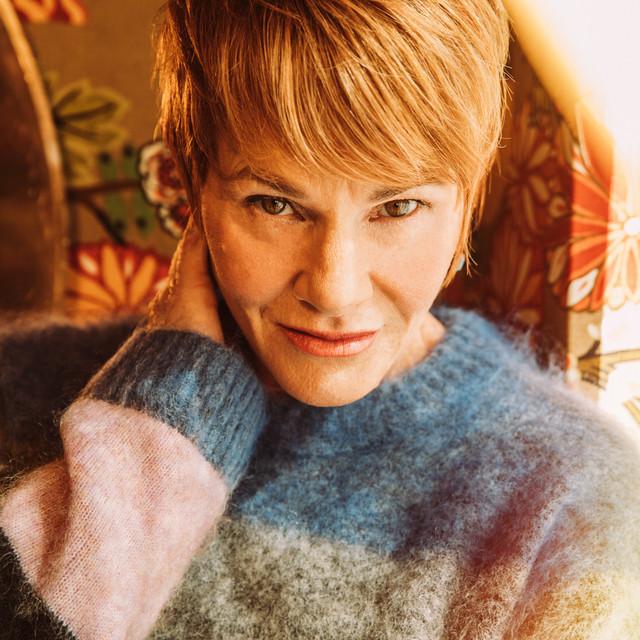
Shawn Colvin is one of the leading lights of the so-called "new folk movement" that began in the late '80s. Although she grew out of the somewhat limited "woman with a guitar" school, she kept the form fresh with a diverse approach, avoiding the genre's clichéd sentiments and all-too-often formulaic arrangements in favor of a more personal, pop-influenced style. Colvin's debut record won the Grammy Award for Best Contemporary Folk Album in 1991, but it was her 1997 single, "Sunny Came Home," that firmly catapulted her into the mainstream.
Colvin was born in Vermillion, South Dakota, on January 10, 1956. By the age of ten, she had discovered a passion for music and taught herself guitar. After moving twice -- first to London, Ontario, and then to Carbondale, Illinois. She relocated to Austin, Texas, where she joined the Western swing band the Dixie Diesels and sang with the band until nodes forced a temporary retirement at age 24. In 1983, she moved to New York.
Th…roughout the '80s, Colvin worked her way up the folk circuit, also appearing in off-Broadway shows such as Pump Boys and Dinettes, Diamond Studs, and Lie of the Mind. Her work also appeared in Fast Folk magazine, and she got her first break in 1987 singing backup on Suzanne Vega's hit song "Luka." By the following year, she had found a songwriting partner in John Leventhal, who began providing melodies for Colvin's lyrics.
Viberate is a music analytics platform built for A&Rs, artist managers, labels, booking agents, marketers, and artists.
It helps music professionals track artist growth, analyze audience data, monitor playlist activity, compare artists, follow song performance, and identify opportunities across the music market.
Public artist pages provide a free preview of selected artist data. Paid plans provide access to deeper analytics, historical data, charts, comparisons, playlist tools, exports, alerts, reports, and additional professional features.
Yes. Public Viberate artist pages provide selected artist analytics and music data for free.
Viberate also offers a 7-day free trial of the full platform. A credit card is required to start the trial. The trial includes access to the complete product so users can test deeper artist analytics, historical views, playlist insights, comparisons, charts, exports, alerts, and reporting features before choosing a paid plan.
Viberate provides artist analytics across streaming, playlists, social media, video, radio airplay, songs, and audience markets.
Users can analyze Spotify performance, Spotify and Apple Music playlists, YouTube activity, TikTok and Instagram growth, radio spins, song performance, audience locations, demographics, rankings, and overall artist momentum.
Artist profiles also connect to music charts, similar artists, and comparison tools, helping users benchmark performance and evaluate artists in context.
Viberate updates key artist and track data daily.
For followed artists and tracks, selected data is refreshed multiple times per day. This helps teams monitor playlist changes, streaming movement, audience growth, releases, and campaign performance with more current data.
Update frequency can vary depending on the metric and data source.
Yes. Viberate lets users compare up to five artists side by side across streaming, social media, audience, and engagement metrics.
Users can compare fanbase growth, audience demographics, locations, Spotify performance, social metrics, and other artist data over selected time periods.
Artist comparison can be used for A&R scouting, benchmarking, booking decisions, campaign planning, and evaluating artists with similar audiences or market positions.