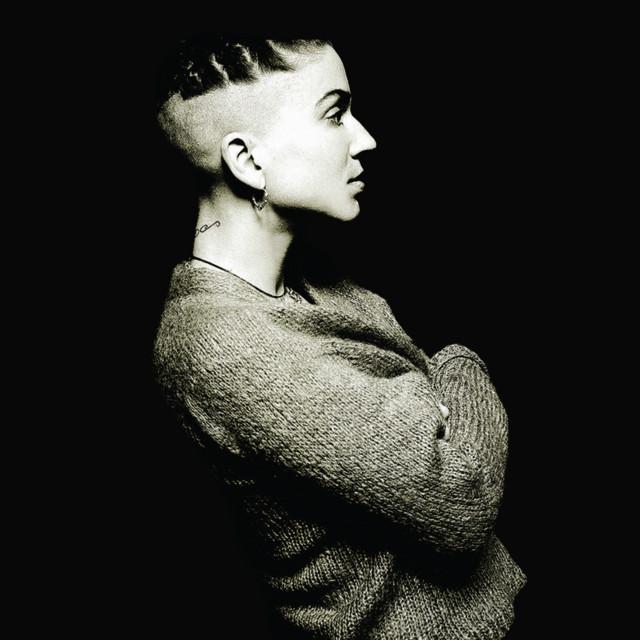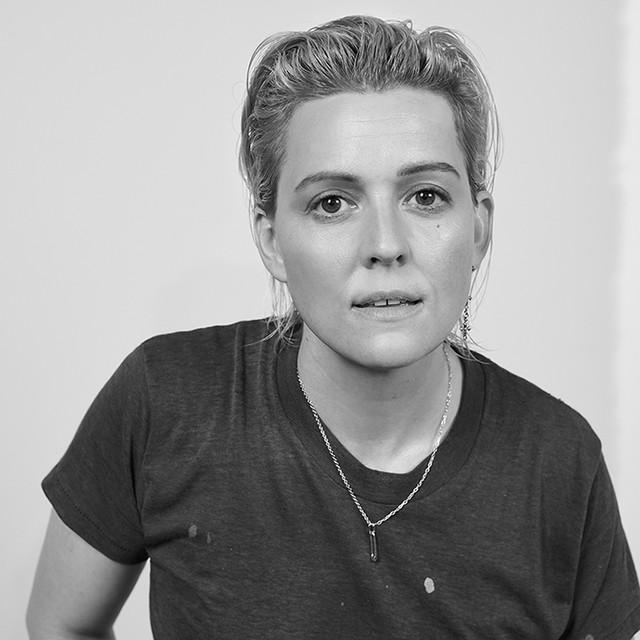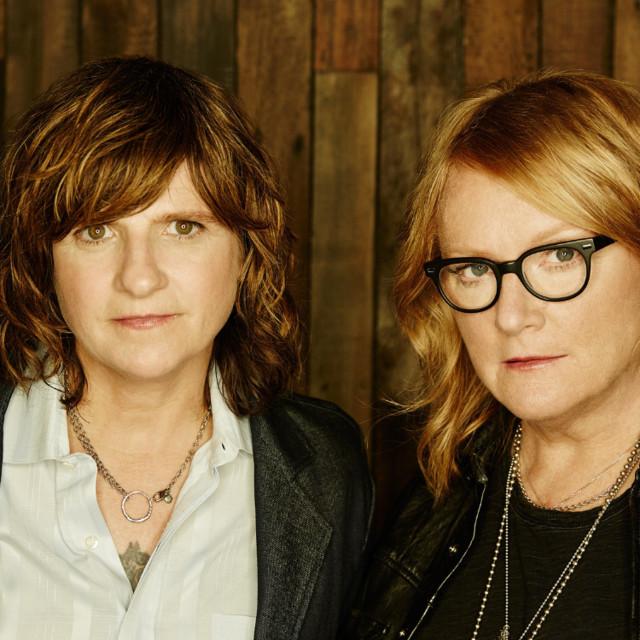
Indigo Girls

Rock
Folk Rock
Indie Pop
 Viberate Rank: 19540
 Viberate Rank: 19540
 Monthly ListenersFollowers
 Subscribers
 Followers
 Followers
 FansTop Spotify Songs
| Track | 7-Day Streams | |
|---|---|---|
1 | 176.68K | |
2 | 111.47K | |
3 | 48.57K | |
4 | 43.90K | |
5 | 39.27K |
Top YouTube VideosMonthly ListenersFeatured in Playlists| Playlist | Followers | |
|---|---|---|
1 |  80s HITS | TOP 100 SONGS Filtr US | 2.90M |
2 |  Classic Acoustic Spotify | 2.63M |
3 |  This Is P!nk Spotify | 1.29M |
4 |  zuhause Spotify | 1.08M |
5 |  80er Hits Spotify | 935.43K |
Audience| City | Monthly Listeners | |
|---|---|---|
1 | | 14.86K |
2 | | 14.35K |
3 | | 9.87K |
4 | | 9.10K |
5 | | 9.05K |
See full performance history, audience data, playlist activity, rankings, comparisons, and more in Viberate music analytics. Start with a free trial, then continue with a paid plan.
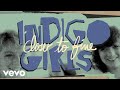
Indigo Girls’ Spotify BioIndigo Girls are among the most enduring musical outfits to emerge from the late-'80s female singer/songwriter scene and to a lesser degree the later iteration of the Athens, Georgia scene that birthed R.E.M., Love Tractor, and Widespread Panic. The Grammy-winning duo of Amy Ray and Emily Saliers established a devoted national fan base thanks to early hits such as "Closer to Fine" from their self-titled Epic release in 1988; it was the first of six consecutive gold- and/or platinum-certified albums. Their two-women-with-guitars formula may not have been revolutionary on paper, but the combination of two distinct musical personalities and songwriting styles provided tension and an interesting balance. Saliers, hailing from the Joni Mitchell school, boasted a gentler sound but was more compositionally complex, with lyrics that revealed the abstract and spiritual. Ray drew heavily from the singer/songwriter tenets of punk rock, citing influences such as the Jam, the Pretenders, and Hüsker… Dü for her more direct, often confessional approach. Indigo Girls are celebrated almost as much for their political and social activism on such issues as LGBTQ and Native American rights, protecting the environment, and work against the death penalty. With a passionate live show that consciously sought to erase distances between audience and performer, they grew a fan base across U.S. borders into Canada and Europe. Later recordings, such as 1994's Swamp Ophelia, led by the charting single "Least Complicated," sustained their appeal even as their sound expanded to include Americana, rock, and even blues. To bring across their vision, they employed touring bands filled with top-shelf musicians including Budgie, Sara Lee, Gail Ann Dorsey, Brady Blade, Matt Chamberlain, Jane Scarpantoni, and Caroline LaVelle. After leaving Epic, the Indigo Girls delivered Grammy-nominated Top 50 albums for the Hollywood, Vanguard, and IG labels, including 2006's Mitchell Froom-produced Despite Our Differences, 2009's Poseidon and the Bitter Bug, and 2011's Beauty Queen Sister. Their 15th studio album, 2020's Look Long, became their 14th to chart on the Billboard 200. That year, they also released the pandemic-era single "Long Ride."
Amy Ray and Emily Saliers first took the name Indigo Girls while living in Atlanta in 1985, although they had been performing together since high school under the name "the B-Band." That year, they recorded an independent self-titled EP and followed it in 1987 with the full-length Strange Fire; only 7,000 copies were pressed, however, and very little interest was generated. Things changed quickly in 1988 when, in the wake of the success of Suzanne Vega, Tracy Chapman, and 10,000 Maniacs, the duo seemed to fit nicely into "the next big thing." Appropriately, Epic was quick to sign them.
Indigo Girls, released in 1989, was an excellent major-label debut. A guest vocal by R.E.M.'s Michael Stipe ("Kid Fears") gave them initial college radio credibility, and the single "Closer to Fine" was a hit. The album eventually broke the Top 30 and earned a Grammy for Best Folk Recording that year. By the end of 1991, it achieved platinum sales. Strange Fire was reissued later in the year, with a cover of "Get Together" replacing one of the original tracks. The follow-up, 1990's Nomads Indians Saints, went to number 43 on the Billboard 200 and was nominated for a Grammy. A live EP, Back on the Bus, Y'All, followed in 1991 while the women regrouped; like Nomads Indians Saints, it was certified gold and garnered a Grammy nomination.
In the spring of 1992, the Indigo Girls rebounded into the Top 30 with Rites of Passage, which debuted at number 21 and went platinum by the year's end. The album showed an increasing diversity and some of their strongest songs to date. Almost exactly two years later, Swamp Ophelia was released and entered the charts at number nine; it went gold by the end of the year. A double-live album, 1200 Curfews, appeared in 1995, and the follow-up to Swamp Ophelia, Shaming of the Sun, followed in 1997. It became their best-charting album yet, reaching number seven on the U.S. album chart. The pair's next effort, Come on Now Social, cracked the Top 40 two years later.
Released in 2002, Become You was stripped down in comparison to the orchestrations of the Girls' more recent work. It reached number 30. With cover art by alternative comics artist Jaime Hernandez, the critically acclaimed All That We Let In went to number 35 upon its release in 2004. A rarities set appeared the following year, marking Saliers and Ray's 20-year anniversary as the Indigo Girls, as well as their last release on the Epic roster. Shortly thereafter, Saliers and Ray signed a five-album deal with Hollywood Records, although the songwriters only released one record -- the Mitchell Froom-produced Despite Our Differences, issued in 2006 -- before Hollywood dropped them from its roster. Indigo Girls took to their website to assure fans that the band would move onward, and 2009's Poseidon and the Bitter Bug marked their first independent release in over 20 years. The independent route didn't seem to hurt sales; the album peaked at number 29 on the Billboard 200.
Released in 2010, the double-disc Staring Down the Brilliant Dream featured live performances from shows between 2006 and 2009, and the duo wrapped up the year by releasing a holiday-themed bluegrass album, Holly Happy Days. Although it missed the overall chart, it made it to number four on the Americana/folk chart. Issued in 2011, Indigo Girls' 13th studio album and the fourth to be released on their own IG Recordings imprint for Vanguard Records, Beauty Queen Sister reunited them with producer Peter Collins, who helmed their earlier albums Rites of Passage and Swamp Ophelia. After an extended tour and a lengthy break, Ray and Saliers went back to work, this time in various Nashville recording studios with producer Jordan Brooke Hamlin. One Lost Day was released in June 2015, in the middle of a nationwide tour. In mid-2018, the duo released Live with the University of Colorado Symphony Orchestra on Rounder. Though cut during a single show in Boulder, the recording marked the end of a tour through 50 American cities accompanied by various large ensembles. Mixed by Trina Shoemaker, its 22 tracks were arranged by Sean O'Loughlin and Stephen Barber.
Indigo Girls reunited with John Reynolds, the producer of 1999's Come on Now Social, for 2020's Look Long, which was released on Rounder. Like their previous two studio albums, it landed in the bottom half of the Billboard 200 but peaked at number two on the Americana/Folk Albums chart. Before the end of the year, they addressed the COVID-19 pandemic outbreak on the single "Long Ride." ~ Chris Woodstra & Marcy Donelson
Viberate is a music analytics platform built for A&Rs, artist managers, labels, booking agents, marketers, and artists.
It helps music professionals track artist growth, analyze audience data, monitor playlist activity, compare artists, follow song performance, and identify opportunities across the music market.
Public artist pages provide a free preview of selected artist data. Paid plans provide access to deeper analytics, historical data, charts, comparisons, playlist tools, exports, alerts, reports, and additional professional features.
Yes. Public Viberate artist pages provide selected artist analytics and music data for free.
Viberate also offers a 7-day free trial of the full platform. A credit card is required to start the trial. The trial includes access to the complete product so users can test deeper artist analytics, historical views, playlist insights, comparisons, charts, exports, alerts, and reporting features before choosing a paid plan.
Viberate provides artist analytics across streaming, playlists, social media, video, radio airplay, songs, and audience markets.
Users can analyze Spotify performance, Spotify and Apple Music playlists, YouTube activity, TikTok and Instagram growth, radio spins, song performance, audience locations, demographics, rankings, and overall artist momentum.
Artist profiles also connect to music charts, similar artists, and comparison tools, helping users benchmark performance and evaluate artists in context.
Viberate updates key artist and track data daily.
For followed artists and tracks, selected data is refreshed multiple times per day. This helps teams monitor playlist changes, streaming movement, audience growth, releases, and campaign performance with more current data.
Update frequency can vary depending on the metric and data source.
Yes. Viberate lets users compare up to five artists side by side across streaming, social media, audience, and engagement metrics.
Users can compare fanbase growth, audience demographics, locations, Spotify performance, social metrics, and other artist data over selected time periods.
Artist comparison can be used for A&R scouting, benchmarking, booking decisions, campaign planning, and evaluating artists with similar audiences or market positions.