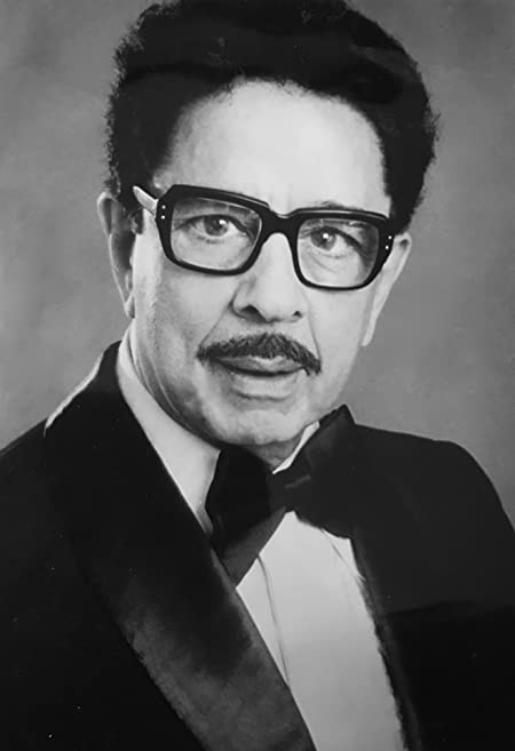
Sexteto Mayor

Latin
Tango
 Viberate Rank: 183594
 Viberate Rank: 183594
 Monthly ListenersFollowers
 Subscribers
 Followers
 Followers
 FansTop Spotify Songs
| Track | 7-Day Streams | |
|---|---|---|
1 | 2.30K | |
2 | 1.73K | |
3 | 1.67K | |
4 | 1.61K | |
5 | 1.14K |
Top YouTube VideosMonthly ListenersFeatured in Playlists| Playlist | Followers | |
|---|---|---|
1 |  Tangos y Milongas Spotify | 248.45K |
2 |  The Sound of Everything The Sounds of Spotify | 53.82K |
3 | Tango Sensual 💃🏽 Meagan Elizabeth | 35.55K |
4 |  Lo Mejor del TANGO Argentino 🎧 SiHEZ 🎛 | 16.34K |
5 |  FAMA a bailar ◌ #0 Alex | 6.67K |
Audience| City | Monthly Listeners | |
|---|---|---|
1 | | 1.36K |
2 |  | 529 |
3 |  | 262 |
4 |  | 241 |
5 | | 234 |
See full performance history, audience data, playlist activity, rankings, comparisons, and more in Viberate music analytics. Start with a free trial, then continue with a paid plan.
Sexteto Mayor’s Spotify BioThe sextet format that Julio De Caro established for Argentinian tango orchestration in 1924 was an influence on Sexteto Mayor. Formed in 1973 in the home of Carlos Gardel, the group was directed by bandoneon players and arrangers Jose Libertella and Luiz Stazo. While the basic lineup of bandoneon, twin fiddle, bass, and piano has remained consistent, a number of musicians have added their unique musical approaches to Sexteto Mayor's sound. Founding pianist Juan Mazzadi was replaced by Armando Cupo, who in turn was replaced by Oscar Palermo, while original bassist Omar Murtagh handed his position to Kicho Diaz and then Eduardo Aulicano. Violinists Mario Abramovich and Eduardo Walczak were preceded by Mauricio Mise, Fernando Suarez Paz, Reynaldo Nichele, and Hugo Baralis. Although modern influences are reflected in their arrangements, Sexteto Mayor remain rooted in the traditional sounds of Argentinian music. While they primarily play in the tango tradition, the band includes a number… of waltzes and milongas in their repertoire. Violinist Eduardo Walczak died on December 15, 2023, at the age of 94. ~ Craig Harris, Rovi
Viberate is a music analytics platform built for A&Rs, artist managers, labels, booking agents, marketers, and artists.
It helps music professionals track artist growth, analyze audience data, monitor playlist activity, compare artists, follow song performance, and identify opportunities across the music market.
Public artist pages provide a free preview of selected artist data. Paid plans provide access to deeper analytics, historical data, charts, comparisons, playlist tools, exports, alerts, reports, and additional professional features.
Yes. Public Viberate artist pages provide selected artist analytics and music data for free.
Viberate also offers a 7-day free trial of the full platform. A credit card is required to start the trial. The trial includes access to the complete product so users can test deeper artist analytics, historical views, playlist insights, comparisons, charts, exports, alerts, and reporting features before choosing a paid plan.
Viberate provides artist analytics across streaming, playlists, social media, video, radio airplay, songs, and audience markets.
Users can analyze Spotify performance, Spotify and Apple Music playlists, YouTube activity, TikTok and Instagram growth, radio spins, song performance, audience locations, demographics, rankings, and overall artist momentum.
Artist profiles also connect to music charts, similar artists, and comparison tools, helping users benchmark performance and evaluate artists in context.
Viberate updates key artist and track data daily.
For followed artists and tracks, selected data is refreshed multiple times per day. This helps teams monitor playlist changes, streaming movement, audience growth, releases, and campaign performance with more current data.
Update frequency can vary depending on the metric and data source.
Yes. Viberate lets users compare up to five artists side by side across streaming, social media, audience, and engagement metrics.
Users can compare fanbase growth, audience demographics, locations, Spotify performance, social metrics, and other artist data over selected time periods.
Artist comparison can be used for A&R scouting, benchmarking, booking decisions, campaign planning, and evaluating artists with similar audiences or market positions.