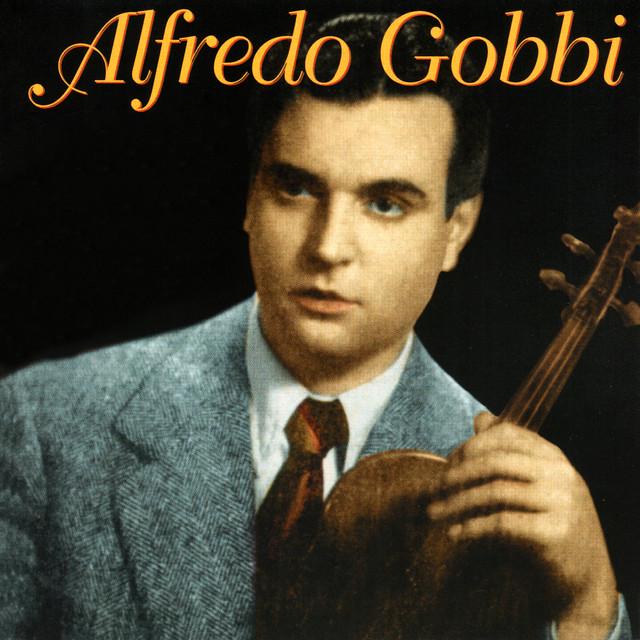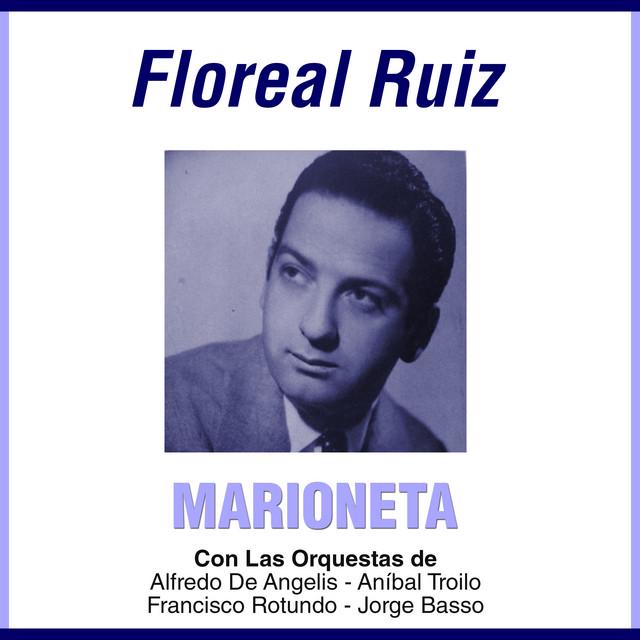
Horacio Salgán

Latin
Tango
 Viberate Rank: 198437
 Viberate Rank: 198437
 Monthly ListenersFollowers
 Subscribers
 Followers
 Followers
 FansTop Spotify Songs
| Track | 7-Day Streams | |
|---|---|---|
1 | 2.94K | |
2 | 1.92K | |
3 | 1.46K | |
4 | 962 | |
5 | 827 |
Top YouTube VideosMonthly ListenersFeatured in Playlists| Playlist | Followers | |
|---|---|---|
1 |  Tango Argentino Caroline | 64.55K |
2 |  Lo Mejor del TANGO Argentino 🎧 SiHEZ 🎛 | 16.34K |
3 | Tango Nuevo bafflorent | 8.24K |
4 | LOS MEJORES TANGOS MILONGAS Y VALSECITOS supermurphy31 | 6.27K |
5 |  Milonga Tandas - Tango Argentina - por Aren León Aren León Tango Archive | 5.28K |
Audience| City | Monthly Listeners | |
|---|---|---|
1 | | 895 |
2 |  | 297 |
3 |  | 178 |
4 | | 139 |
5 |  | 138 |
See full performance history, audience data, playlist activity, rankings, comparisons, and more in Viberate music analytics. Start with a free trial, then continue with a paid plan.
Horacio Salgán’s Spotify BioTalented Latin American musician Horacio Salgán began taking piano classes at a very young age, later studying music in a Buenos Aires conservatory, playing professionally when he joined a local radio station called El Mundo. In 1957, he started playing along with guitarist Ubaldo De Lío and recorded A Buenos Aires De Las Tres De La Mañana. Salgán formed Quinteto Real in 1960 with Enrique Mario Francini, Rafael Ferro, and bandoneonist Pedro Laurenz, and they debuted with a self-titled record. In 1969, Horacio Salgán teamed up with pianist/composer Dante Amicarelli, recording Salgán-Amicarelli Dos Virtuosos Del Piano in 1970 and El Bósque Mágico in 1971. He joined a musical called Tango Argentino in 1983, and toured Argentina, Europe, and the U.S. ~ Drago Bonacich, Rovi
Viberate is a music analytics platform built for A&Rs, artist managers, labels, booking agents, marketers, and artists.
It helps music professionals track artist growth, analyze audience data, monitor playlist activity, compare artists, follow song performance, and identify opportunities across the music market.
Public artist pages provide a free preview of selected artist data. Paid plans provide access to deeper analytics, historical data, charts, comparisons, playlist tools, exports, alerts, reports, and additional professional features.
Yes. Public Viberate artist pages provide selected artist analytics and music data for free.
Viberate also offers a 7-day free trial of the full platform. A credit card is required to start the trial. The trial includes access to the complete product so users can test deeper artist analytics, historical views, playlist insights, comparisons, charts, exports, alerts, and reporting features before choosing a paid plan.
Viberate provides artist analytics across streaming, playlists, social media, video, radio airplay, songs, and audience markets.
Users can analyze Spotify performance, Spotify and Apple Music playlists, YouTube activity, TikTok and Instagram growth, radio spins, song performance, audience locations, demographics, rankings, and overall artist momentum.
Artist profiles also connect to music charts, similar artists, and comparison tools, helping users benchmark performance and evaluate artists in context.
Viberate updates key artist and track data daily.
For followed artists and tracks, selected data is refreshed multiple times per day. This helps teams monitor playlist changes, streaming movement, audience growth, releases, and campaign performance with more current data.
Update frequency can vary depending on the metric and data source.
Yes. Viberate lets users compare up to five artists side by side across streaming, social media, audience, and engagement metrics.
Users can compare fanbase growth, audience demographics, locations, Spotify performance, social metrics, and other artist data over selected time periods.
Artist comparison can be used for A&R scouting, benchmarking, booking decisions, campaign planning, and evaluating artists with similar audiences or market positions.