Seventh Wonder

Metal
Progressive Metal
 Viberate Rank: 110929
 Viberate Rank: 110929
 Monthly ListenersFollowers
 Subscribers
 Followers
 Followers
 FansTop Spotify Songs
| Track | 7-Day Streams | |
|---|---|---|
1 | 2.18K | |
2 | 2.11K | |
3 | 1.24K | |
4 | 1.10K | |
5 | 960 |
Top YouTube VideosMonthly ListenersFeatured in Playlists| Playlist | Followers | |
|---|---|---|
1 | Prog Metal Giovanni Pignato | 13.71K |
2 | Powermetal Espen Tennholm | 7.64K |
3 | Metal Ballads Tiago Teixeira | 6.59K |
4 |  New Rock & Metal 2026 - Rocknytt Rocknytt | 6.20K |
5 | Melodic Metal & Rock arctic4x | 5.59K |
Audience| City | Monthly Listeners | |
|---|---|---|
1 | | 428 |
2 |  | 391 |
3 |  | 366 |
4 | | 292 |
5 |  | 275 |
See full performance history, audience data, playlist activity, rankings, comparisons, and more in Viberate music analytics. Start with a free trial, then continue with a paid plan.
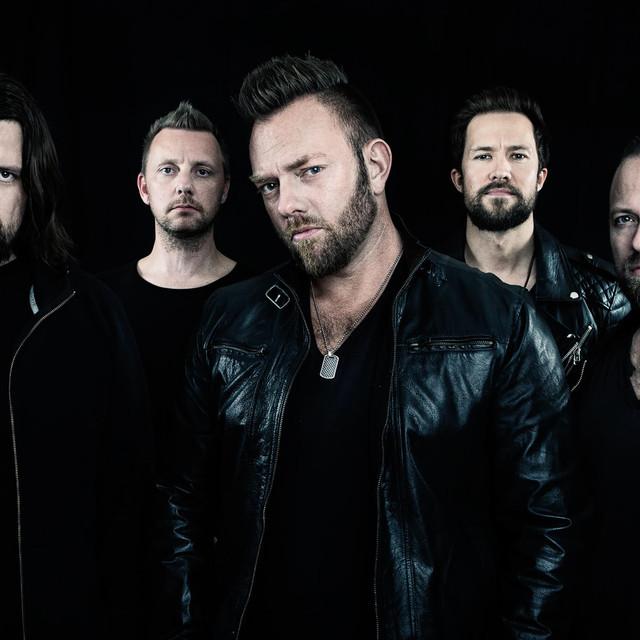
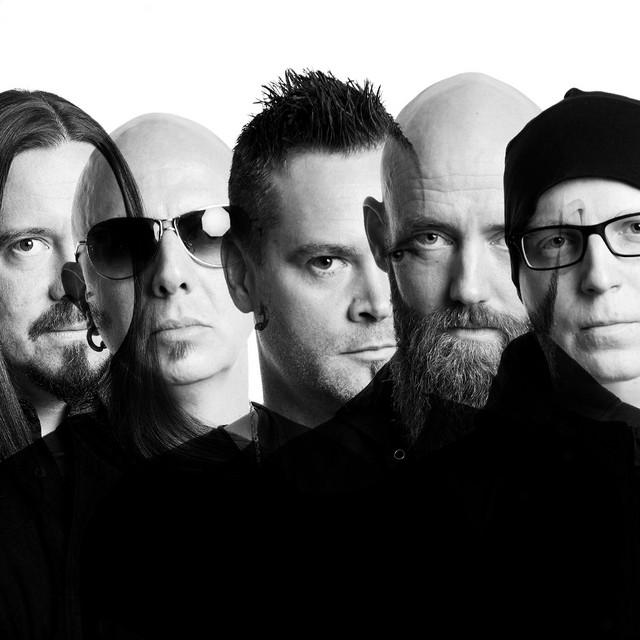
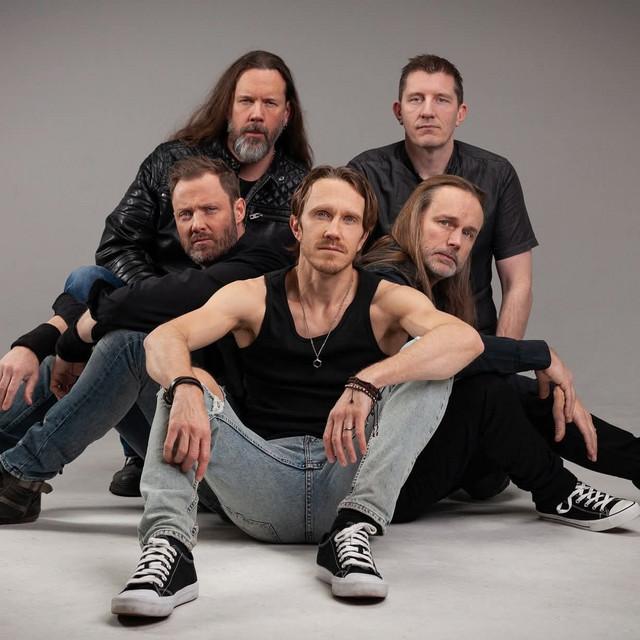
Seventh Wonder’s Spotify BioSeventh Wonder was formed in 2000 by bass player Andreas Blomqvist, guitarist Johan Liefvendahl and drummer Johnny Sandin. Keyboard player Andreas “Kyrt” Söderin joined within a year, completing the lineup. Singer Andi Kravljaca was recruited, and in 2005 the debut album Become was released, which also marked Andi’s departure.
The band soon found a new vocalist in Tommy Karevik (ex: Vindictiv, current Kamelot). This lineup released Waiting in the Wings (2006), Mercy Falls (2008) and The Great Escape (2010), touring extensively across Europe and appearing at ProgPower USA.
After The Great Escape, drummer Johnny Sandin left the band and was replaced in 2011 by Stefan Norgren (ex: Lion’s Share). The band continued touring, returning to the USA in 2014 to perform Mercy Falls in its entirety. This show was released in 2016 on DVD and as a live album, including two new studio tracks.
In October 2018, Seventh Wonder released the concept album Tiara. Their sixth studio album, The Testament,… followed in 2022, with each song portraying a different human emotion.
After nearly two decades with the band, Tommy Karevik announced his departure in June 2023.
In early 2026, Seventh Wonder introduced Mattias Olofsson as his successor, marking a new chapter for the band.
Viberate is a music analytics platform built for A&Rs, artist managers, labels, booking agents, marketers, and artists.
It helps music professionals track artist growth, analyze audience data, monitor playlist activity, compare artists, follow song performance, and identify opportunities across the music market.
Public artist pages provide a free preview of selected artist data. Paid plans provide access to deeper analytics, historical data, charts, comparisons, playlist tools, exports, alerts, reports, and additional professional features.
Yes. Public Viberate artist pages provide selected artist analytics and music data for free.
Viberate also offers a 7-day free trial of the full platform. A credit card is required to start the trial. The trial includes access to the complete product so users can test deeper artist analytics, historical views, playlist insights, comparisons, charts, exports, alerts, and reporting features before choosing a paid plan.
Viberate provides artist analytics across streaming, playlists, social media, video, radio airplay, songs, and audience markets.
Users can analyze Spotify performance, Spotify and Apple Music playlists, YouTube activity, TikTok and Instagram growth, radio spins, song performance, audience locations, demographics, rankings, and overall artist momentum.
Artist profiles also connect to music charts, similar artists, and comparison tools, helping users benchmark performance and evaluate artists in context.
Viberate updates key artist and track data daily.
For followed artists and tracks, selected data is refreshed multiple times per day. This helps teams monitor playlist changes, streaming movement, audience growth, releases, and campaign performance with more current data.
Update frequency can vary depending on the metric and data source.
Yes. Viberate lets users compare up to five artists side by side across streaming, social media, audience, and engagement metrics.
Users can compare fanbase growth, audience demographics, locations, Spotify performance, social metrics, and other artist data over selected time periods.
Artist comparison can be used for A&R scouting, benchmarking, booking decisions, campaign planning, and evaluating artists with similar audiences or market positions.