Selig

Rock
Alternative Rock
Mainstream Pop
 Viberate Rank: 68635
 Viberate Rank: 68635
 Monthly ListenersFollowers
 Subscribers
 Followers
 Followers
 FansTop Spotify Songs
| Track | 7-Day Streams | |
|---|---|---|
1 | 21.30K | |
2 | 15.11K | |
3 | 4.19K | |
4 | 3.51K | |
5 | 3.31K |
Top YouTube VideosMonthly ListenersFeatured in Playlists| Playlist | Followers | |
|---|---|---|
1 |  Fidi & Bumsi Spotify | 353.24K |
2 | German Songs you should know Malte Fischer | 37.89K |
3 | Kuschelrock Complete Luis Escuredo | 20.99K |
4 | fränki frank.lobrecht | 13.42K |
5 | Deutsche 90er Hits Popkultur.de | 11.23K |
Audience| City | Monthly Listeners | |
|---|---|---|
1 | | 10.49K |
2 | | 8.98K |
3 | | 6.05K |
4 | | 5.68K |
5 | | 4.56K |
See full performance history, audience data, playlist activity, rankings, comparisons, and more in Viberate music analytics. Start with a free trial, then continue with a paid plan.
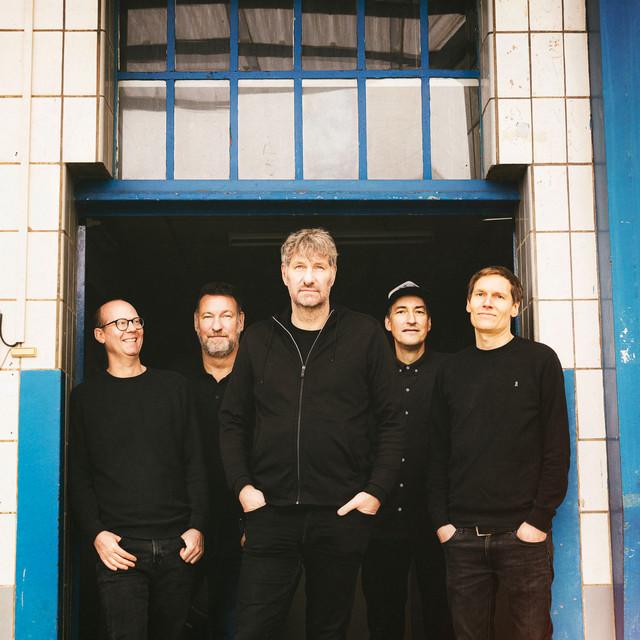
Selig’s Spotify BioHamburg, Frühjahr 1993. In einer Kneipe auf St. Pauli beschließen Jan Plewka und Christian Neander ein Band zu gründen. Ihre ersten Songs sind geschrieben, und so laden die beiden Leo Schmidthals, Stoppel Eggert und Malte Neumann in den Proberaum ein.
Es ist Liebe auf den ersten Ton. Ihr Sound ist beeinflusst von Nirvana, Led Zeppelin und den Black Crowes, und sie sind die Ersten, die diesen mit deutschen Texten kombinieren. Die Musikpresse nennt es German Grunge oder Hippie Metal. Außergewöhnliche Videos und eine starke Live-Präsenz sorgen für Aufmerksamkeit und unzählige ausverkaufte Konzerte und Auftritte bei den größten Festivals.
Doch mit dem Ruhm kommen auch die Dämonen, und so ist nach den ersten drei Alben plötzlich Schluss. Die große Pause dauert dann fast zehn Jahre, aber als die Zeit reif ist, feiern die Band und ihre alten und neuen Fans ein grandioses Comeback mit neuer Musik, neuer Energie und goldenen Ehrungen.
Seit dem SELIG-Debüt von 1994 bis zum heutigen Tag haben… Plewkas Text in Verbindung mit dem Sound der Band ein absolutes Alleinstellungsmerkmal. Für die Fans war und ist SELIG ein Teil ihres Soundtracks, ihrer Geschichte, ihres Lebensgefühls. Viele Songs von SELIG wurden zu Evergreens, und ihre Konzerte sind hochemotionale Happenings.
Die Liebe zur Bühne ist SELIG bis heute geblieben, und so freuen sich die mittlerweile vier Musiker darauf, ihre Band und viele ihrer Songs beim diesjährigen Jubiläum mit 14 Shows im Herbst 2023 zu zelebrieren.
Viberate is a music analytics platform built for A&Rs, artist managers, labels, booking agents, marketers, and artists.
It helps music professionals track artist growth, analyze audience data, monitor playlist activity, compare artists, follow song performance, and identify opportunities across the music market.
Public artist pages provide a free preview of selected artist data. Paid plans provide access to deeper analytics, historical data, charts, comparisons, playlist tools, exports, alerts, reports, and additional professional features.
Yes. Public Viberate artist pages provide selected artist analytics and music data for free.
Viberate also offers a 7-day free trial of the full platform. A credit card is required to start the trial. The trial includes access to the complete product so users can test deeper artist analytics, historical views, playlist insights, comparisons, charts, exports, alerts, and reporting features before choosing a paid plan.
Viberate provides artist analytics across streaming, playlists, social media, video, radio airplay, songs, and audience markets.
Users can analyze Spotify performance, Spotify and Apple Music playlists, YouTube activity, TikTok and Instagram growth, radio spins, song performance, audience locations, demographics, rankings, and overall artist momentum.
Artist profiles also connect to music charts, similar artists, and comparison tools, helping users benchmark performance and evaluate artists in context.
Viberate updates key artist and track data daily.
For followed artists and tracks, selected data is refreshed multiple times per day. This helps teams monitor playlist changes, streaming movement, audience growth, releases, and campaign performance with more current data.
Update frequency can vary depending on the metric and data source.
Yes. Viberate lets users compare up to five artists side by side across streaming, social media, audience, and engagement metrics.
Users can compare fanbase growth, audience demographics, locations, Spotify performance, social metrics, and other artist data over selected time periods.
Artist comparison can be used for A&R scouting, benchmarking, booking decisions, campaign planning, and evaluating artists with similar audiences or market positions.