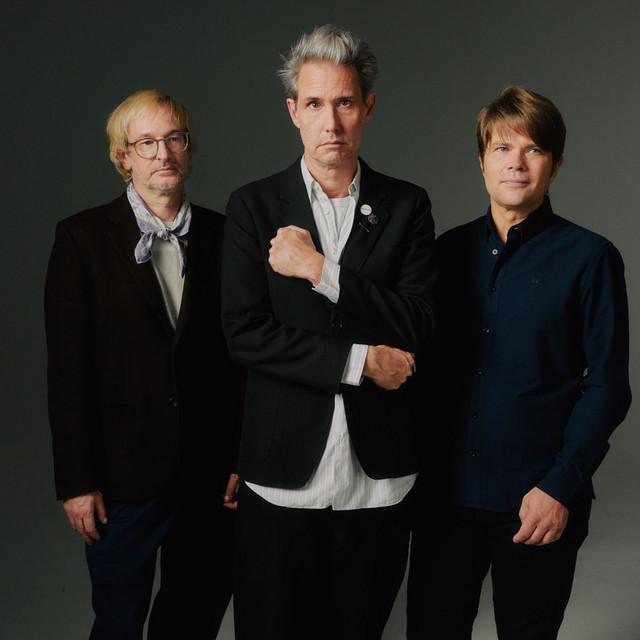
Tomte

Rock
Indie Rock
Mainstream Pop
 Viberate Rank: 94115
 Viberate Rank: 94115
 Monthly ListenersFollowers
 Subscribers
 Followers
 Followers
 FansTop Spotify Songs
| Track | 7-Day Streams | |
|---|---|---|
1 | 13.08K | |
2 | 5.94K | |
3 | 2.46K | |
4 | 2.25K | |
5 | 1.62K |
Top YouTube VideosMonthly ListenersFeatured in Playlists| Playlist | Followers | |
|---|---|---|
1 |  Fidi & Bumsi Spotify | 353.24K |
2 |  2000s Greatest Hits my.charts.music | 36.26K |
3 |  Muss ich das hören? Spotify | 18.11K |
4 |  Deutsche Hits der 2000er my.charts.music | 13.33K |
5 |  Ohrwürmer aus der Hölle touristhistories | 13.22K |
Audience| City | Monthly Listeners | |
|---|---|---|
1 | | 5.32K |
2 | | 4.90K |
3 | | 2.73K |
4 | | 2.69K |
5 | | 2.05K |
See full performance history, audience data, playlist activity, rankings, comparisons, and more in Viberate music analytics. Start with a free trial, then continue with a paid plan.
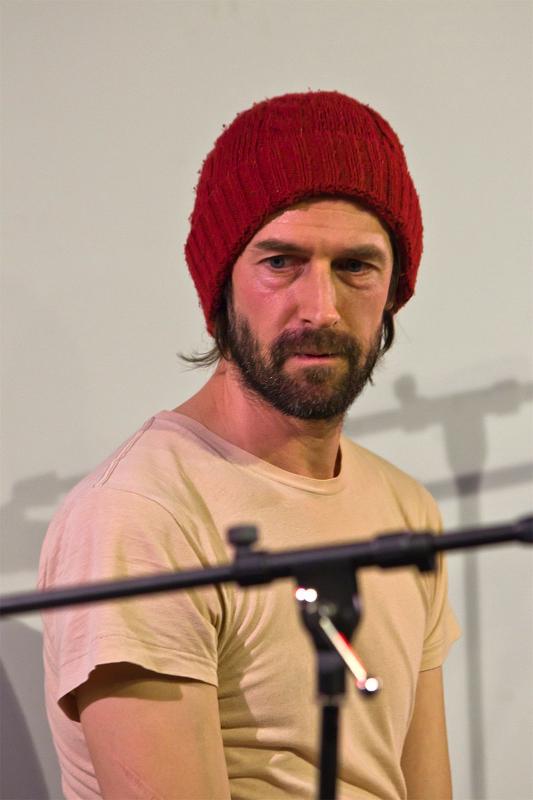
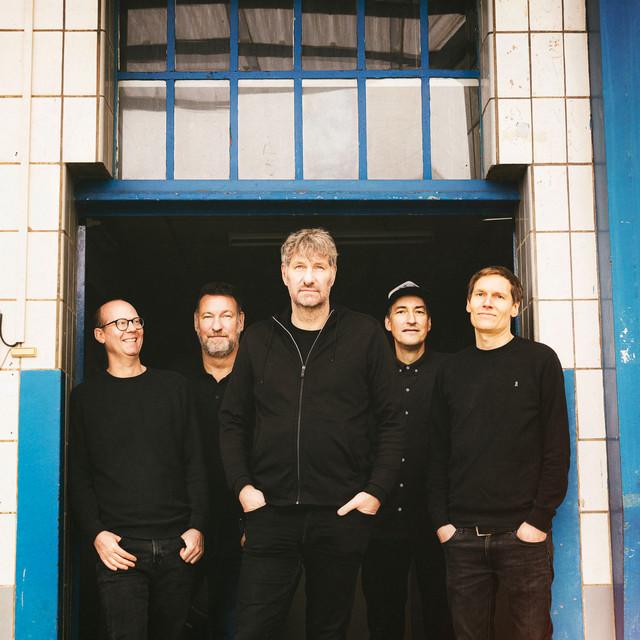
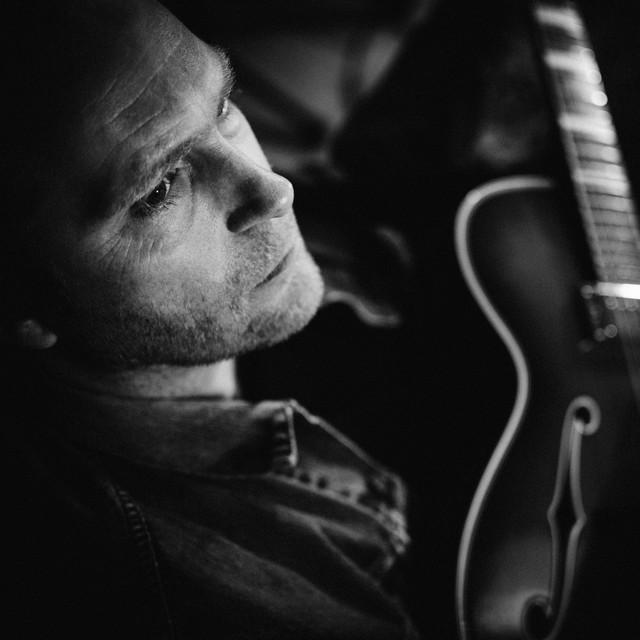
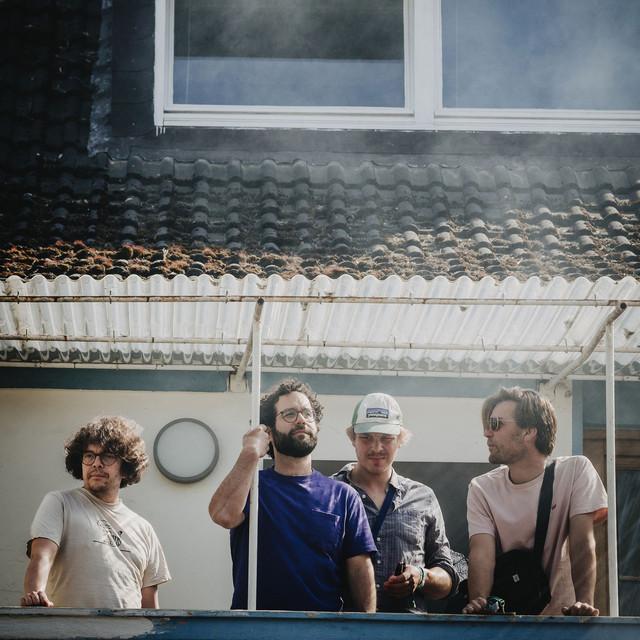
Tomte’s Spotify BioWielding a moody indie sound heavily influenced by Hamburger Schule bands like Tocotronic and Brit-pop acts like Pulp, Tomte formed in Hamburg, Germany, in 1991 and, following a few minor lineup changes, were eventually comprised of Thees Uhlmann, Dennis Becker, Oliver Koch, Timo Bodenstein, and Max Schroder. Tomte released their first EP, Blinkmuffel, in 1996. The band's debut full-length, Du Weisst, Was Ich Meine, followed two years later, and another full-length, Eine Sonnige Nacht, hit stores in 2000. In conjunction with fellow Hamburgers Kettcar, the band created its own label, Grand Hotel van Cleef, soon after that, and their first album on Grand Hotel, 2003's Hinter All Diesen Fenstern, launched the group into the mainstream. The album charted in the German Top 50 that year and yielded two singles, "Schreit den Namen Meiner Mutter" and "Die Schonheit der Chance." The group released another album in 2006, Buchstaben Uber der Stadt (Letters Above the City). ~ TiVo Staff, Rovi
Viberate is a music analytics platform built for A&Rs, artist managers, labels, booking agents, marketers, and artists.
It helps music professionals track artist growth, analyze audience data, monitor playlist activity, compare artists, follow song performance, and identify opportunities across the music market.
Public artist pages provide a free preview of selected artist data. Paid plans provide access to deeper analytics, historical data, charts, comparisons, playlist tools, exports, alerts, reports, and additional professional features.
Yes. Public Viberate artist pages provide selected artist analytics and music data for free.
Viberate also offers a 7-day free trial of the full platform. A credit card is required to start the trial. The trial includes access to the complete product so users can test deeper artist analytics, historical views, playlist insights, comparisons, charts, exports, alerts, and reporting features before choosing a paid plan.
Viberate provides artist analytics across streaming, playlists, social media, video, radio airplay, songs, and audience markets.
Users can analyze Spotify performance, Spotify and Apple Music playlists, YouTube activity, TikTok and Instagram growth, radio spins, song performance, audience locations, demographics, rankings, and overall artist momentum.
Artist profiles also connect to music charts, similar artists, and comparison tools, helping users benchmark performance and evaluate artists in context.
Viberate updates key artist and track data daily.
For followed artists and tracks, selected data is refreshed multiple times per day. This helps teams monitor playlist changes, streaming movement, audience growth, releases, and campaign performance with more current data.
Update frequency can vary depending on the metric and data source.
Yes. Viberate lets users compare up to five artists side by side across streaming, social media, audience, and engagement metrics.
Users can compare fanbase growth, audience demographics, locations, Spotify performance, social metrics, and other artist data over selected time periods.
Artist comparison can be used for A&R scouting, benchmarking, booking decisions, campaign planning, and evaluating artists with similar audiences or market positions.