Seldom Scene

Country
Bluegrass
 Viberate Rank: 134529
 Viberate Rank: 134529
 Monthly ListenersFollowers
 Subscribers
 Followers
 Followers
 FansTop Spotify Songs
| Track | 7-Day Streams | |
|---|---|---|
1 | 12.82K | |
2 | 5.05K | |
3 | 3.19K | |
4 | 1.52K | |
5 | 1.18K |
Top YouTube VideosMonthly ListenersFeatured in Playlists| Playlist | Followers | |
|---|---|---|
1 |  Bluegrass Covers Spotify | 287.90K |
2 |  Appalachian Bluegrass TC Huff | 38.85K |
3 |  Old Time Southern Gospel JukeboxCharlie | 38.16K |
4 |  Bertha's Breakfast Songs BriannaMadia | 23.87K |
5 | bluegrass radio Matt Gallik | 16.23K |
Audience| City | Monthly Listeners | |
|---|---|---|
1 | | 1.62K |
2 | | 1.05K |
3 | | 976 |
4 | | 973 |
5 | | 836 |
See full performance history, audience data, playlist activity, rankings, comparisons, and more in Viberate music analytics. Start with a free trial, then continue with a paid plan.
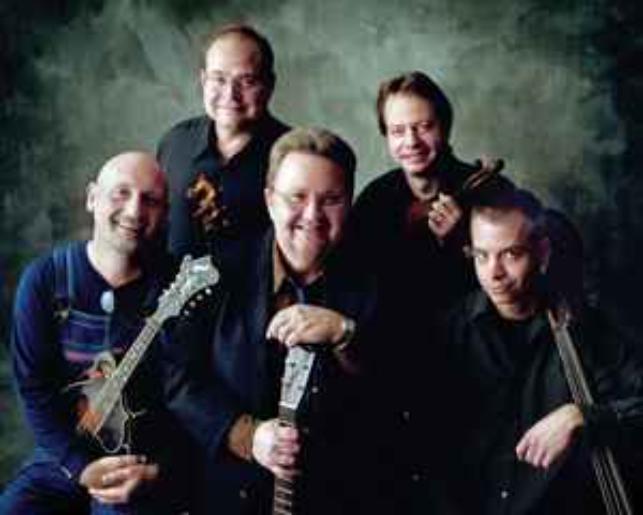
Seldom Scene’s Spotify BioFifty-three years into a legendary career, much has changed about The Seldom Scene, starting with the venerable progressive bluegrass quintet’s various lineup iterations over time. But even as band members have stepped in and out of various roles, what’s most important is what hasn’t changed: an undeniable knack for blending both old and new music and traditions without sacrificing what makes either potent and durable. Their current iteration is a true blue lineup: guitarist mandolin player Lou Reid, bassist Ronnie Simpkins, banjoist and fiddler Ron Stewart, dobro player Fred Travers, and guitarist Clay Hess.
Since they started up together in 1971, The Seldom Scene has dexterously performed original and traditional songs while presenting fiery and soulful reinterpretations of material by Merle Haggard, James Taylor, and more. The concept of bluegrass unshackling itself from a conservative, straight-ahead mindset seems like a given now, when some of its biggest stars fill stadiums and… cross over with mainstream audiences, but the continued presence of The Seldom Scene acts as a reminder that it wasn’t always so. Even if their playing style feels more at home in intimate clubs, where the audience can feel their exuberance radiating from the stage, the Scene’s elastic relationship to genre established an important precedent that encouraged their contemporaries and allowed bluegrass bands to expand their repertoire in ways that laid the groundwork for today’s bluegrass boom.
Viberate is a music analytics platform built for A&Rs, artist managers, labels, booking agents, marketers, and artists.
It helps music professionals track artist growth, analyze audience data, monitor playlist activity, compare artists, follow song performance, and identify opportunities across the music market.
Public artist pages provide a free preview of selected artist data. Paid plans provide access to deeper analytics, historical data, charts, comparisons, playlist tools, exports, alerts, reports, and additional professional features.
Yes. Public Viberate artist pages provide selected artist analytics and music data for free.
Viberate also offers a 7-day free trial of the full platform. A credit card is required to start the trial. The trial includes access to the complete product so users can test deeper artist analytics, historical views, playlist insights, comparisons, charts, exports, alerts, and reporting features before choosing a paid plan.
Viberate provides artist analytics across streaming, playlists, social media, video, radio airplay, songs, and audience markets.
Users can analyze Spotify performance, Spotify and Apple Music playlists, YouTube activity, TikTok and Instagram growth, radio spins, song performance, audience locations, demographics, rankings, and overall artist momentum.
Artist profiles also connect to music charts, similar artists, and comparison tools, helping users benchmark performance and evaluate artists in context.
Viberate updates key artist and track data daily.
For followed artists and tracks, selected data is refreshed multiple times per day. This helps teams monitor playlist changes, streaming movement, audience growth, releases, and campaign performance with more current data.
Update frequency can vary depending on the metric and data source.
Yes. Viberate lets users compare up to five artists side by side across streaming, social media, audience, and engagement metrics.
Users can compare fanbase growth, audience demographics, locations, Spotify performance, social metrics, and other artist data over selected time periods.
Artist comparison can be used for A&R scouting, benchmarking, booking decisions, campaign planning, and evaluating artists with similar audiences or market positions.