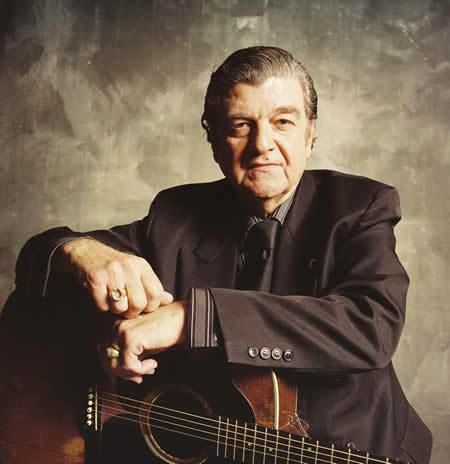
Larry Sparks

Country
Bluegrass
 Viberate Rank: 113919
 Viberate Rank: 113919
 Monthly ListenersFollowers
 Subscribers
 Followers
 Followers
 FansTop Spotify Songs
| Track | 7-Day Streams | |
|---|---|---|
1 | 11.13K | |
2 | 10.70K | |
3 | 5.55K | |
4 | 5.32K | |
5 | 4.16K |
Top YouTube VideosMonthly ListenersFeatured in Playlists| Playlist | Followers | |
|---|---|---|
1 |  The Sound of Everything The Sounds of Spotify | 53.82K |
2 |  Appalachian Bluegrass TC Huff | 38.86K |
3 |  Old Time Southern Gospel JukeboxCharlie | 38.17K |
4 | Bluegrass Gospel and Hymns Griffith1230 | 20.19K |
5 |  Alison Krauss Greatest Hits mquartercircle | 20.18K |
Audience| City | Monthly Listeners | |
|---|---|---|
1 | | 2.79K |
2 | | 1.79K |
3 | | 1.70K |
4 | | 1.55K |
5 | | 1.31K |
See full performance history, audience data, playlist activity, rankings, comparisons, and more in Viberate music analytics. Start with a free trial, then continue with a paid plan.
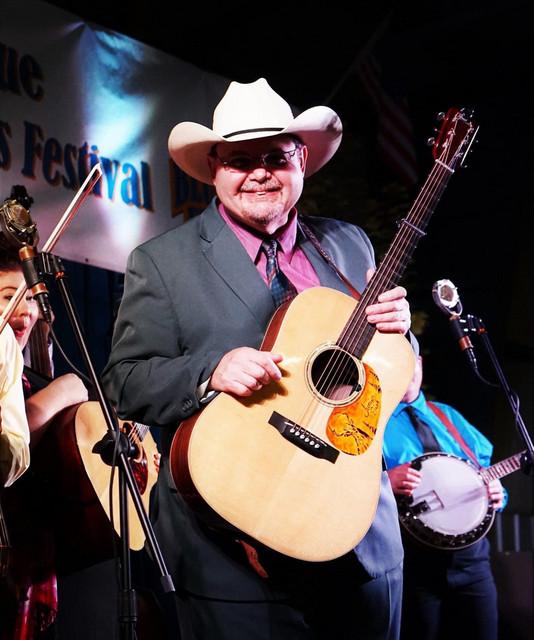
Larry Sparks’ Spotify BioLarry Sparks has said that he's the youngest old-timer around, and the self-description is an apt one. Emerging from the Stanley Brothers' Clinch Mountain Boys band, Sparks carried on with the sounds created by bluegrass music's first generation. His style was no knockoff, however; it had a distinctively bluesy tinge anchored by Sparks' own guitar, a comparatively unusual lead instrument in bluegrass where the triad of mandolin, banjo, and fiddle has defined the musical texture since the genre's early days. Sparks also developed a reputation as one of the most soulful vocalists in the genre; Alison Krauss once said of him, "Larry Sparks is bluegrass music's Ray Charles, no one can touch him." Once he left the Clinch Mountain Boys in 1970, Sparks developed a loyal following who stayed with him through the decades, leading to his 2015 induction into the Bluegrass Hall of Fame. He continued performing after his induction, releasing such records as Ministry in Song in 2021 and It's Just Me… in 2023.
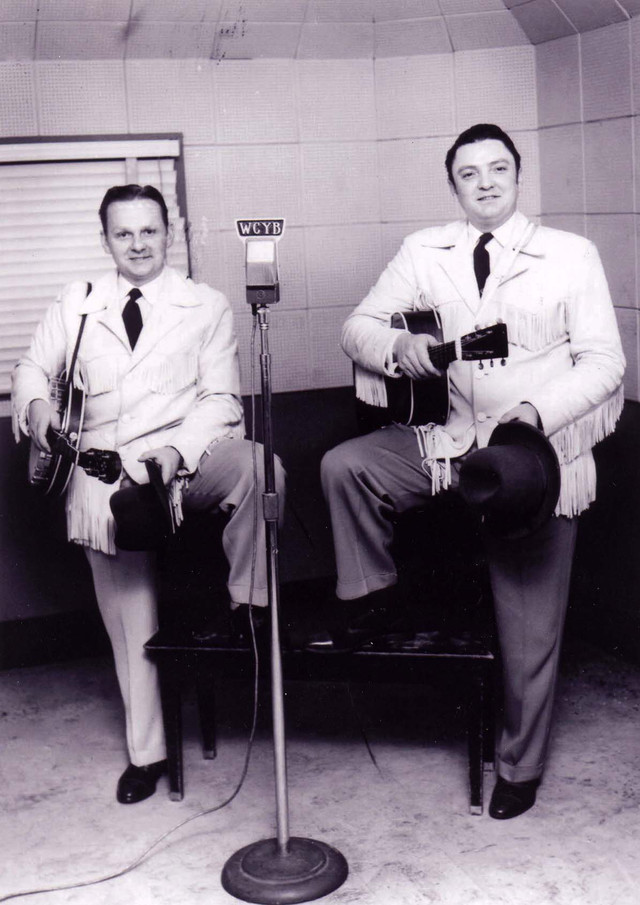
Sparks grew up in Lebanon, Ohio, in the southwestern part of the state that has produced several other top bluegrass artists. His parents came from Appalachian Kentucky, and one of his grandfathers was a fiddle contest champion. Sparks heard Cincinnati country star Wayne Raney on the radio when he was young and learned to play the guitar. His skills put him in demand not only for bluegrass but also for country and rock bands while he was in high school, but after sitting in as lead guitarist with the Stanley Brothers as they toured Ohio in 1964, bluegrass took first place among his musical interests. Sparks played increasingly often with the Stanley Brothers and made his recording debut in 1965 on a small Dayton, Ohio label. He spent three years as lead vocalist with Ralph Stanley & the Clinch Mountain Boys after Carter Stanley's death at age 41 in December 1966.
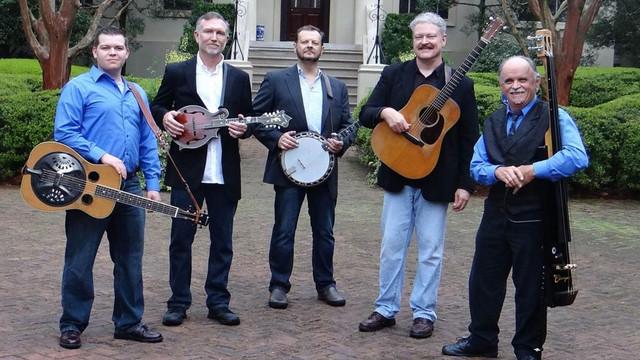
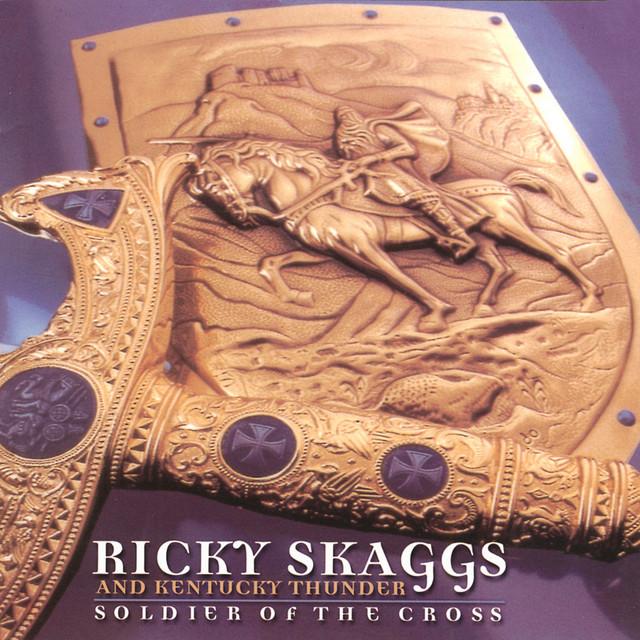
Around 1970, Sparks formed his own band, the Lonesome Ramblers, and it's a rare bluegrass festival or concert series that hasn't played host to Sparks multiple times in the years since. Numerous younger bluegrass players have passed through the Lonesome Ramblers or appeared on Sparks' many recordings, Ricky Skaggs and fiddler Stuart Duncan being only two of the best-known examples. Sparks recorded for various labels in the '70s and early '80s, moving to Rebel in 1982 for the Dark Hollow LP. It was the first in a long line of recordings for Rebel, with the guitarist still recording for the label in the 2010s and most of his material for Rebel still in print.
Along the way, Sparks made several songs into bluegrass standards. He unearthed an obscure folk-rock composition by Lawrence Hammond entitled "John Deere Tractor" and turned it into a perennial anthem of discontented rural folk adrift in the big city; the cover of the song by the Judds on their Love Can Build a Bridge album of 1990 was likely traceable to Sparks' own numerous performances. The Stanley Brothers' "Goin' Up Home (To Live in Green Pastures)" was one of several gospel pieces that Sparks helped transform into a bluegrass perennial, and Sparks tended to focus on gospel in his own numerous compositions.
Sparks and the Lonesome Ramblers barely slowed down in the '90s, releasing several albums over the course of the decade, and 2003's The Coldest Part of Winter showed him in undiminished form. Sparks released Last Suit You Wear in 2007. Recorded primarily with his road band, the Lonesome Ramblers, Almost Home appeared in 2011. In 2014, Sparks celebrated a half-century as a headliner in bluegrass with Lonesome and Then Some: A Classic 50th Celebration, which brought together new and vintage recordings to chart the course of his career. Sparks was slowing down as a recording artist, but he was still performing regularly, and in 2019 he released New Moon Over My Shoulder, a blend of new material, re-recorded classics, and vintage gospel tunes. The gospel album Ministry in Song arrived in 2021, with the bluegrass record It's Just Me following in 2023. ~ James Manheim, Rovi
Viberate is a music analytics platform built for A&Rs, artist managers, labels, booking agents, marketers, and artists.
It helps music professionals track artist growth, analyze audience data, monitor playlist activity, compare artists, follow song performance, and identify opportunities across the music market.
Public artist pages provide a free preview of selected artist data. Paid plans provide access to deeper analytics, historical data, charts, comparisons, playlist tools, exports, alerts, reports, and additional professional features.
Yes. Public Viberate artist pages provide selected artist analytics and music data for free.
Viberate also offers a 7-day free trial of the full platform. A credit card is required to start the trial. The trial includes access to the complete product so users can test deeper artist analytics, historical views, playlist insights, comparisons, charts, exports, alerts, and reporting features before choosing a paid plan.
Viberate provides artist analytics across streaming, playlists, social media, video, radio airplay, songs, and audience markets.
Users can analyze Spotify performance, Spotify and Apple Music playlists, YouTube activity, TikTok and Instagram growth, radio spins, song performance, audience locations, demographics, rankings, and overall artist momentum.
Artist profiles also connect to music charts, similar artists, and comparison tools, helping users benchmark performance and evaluate artists in context.
Viberate updates key artist and track data daily.
For followed artists and tracks, selected data is refreshed multiple times per day. This helps teams monitor playlist changes, streaming movement, audience growth, releases, and campaign performance with more current data.
Update frequency can vary depending on the metric and data source.
Yes. Viberate lets users compare up to five artists side by side across streaming, social media, audience, and engagement metrics.
Users can compare fanbase growth, audience demographics, locations, Spotify performance, social metrics, and other artist data over selected time periods.
Artist comparison can be used for A&R scouting, benchmarking, booking decisions, campaign planning, and evaluating artists with similar audiences or market positions.