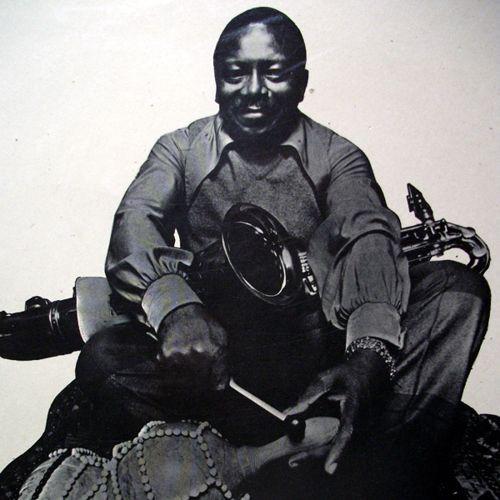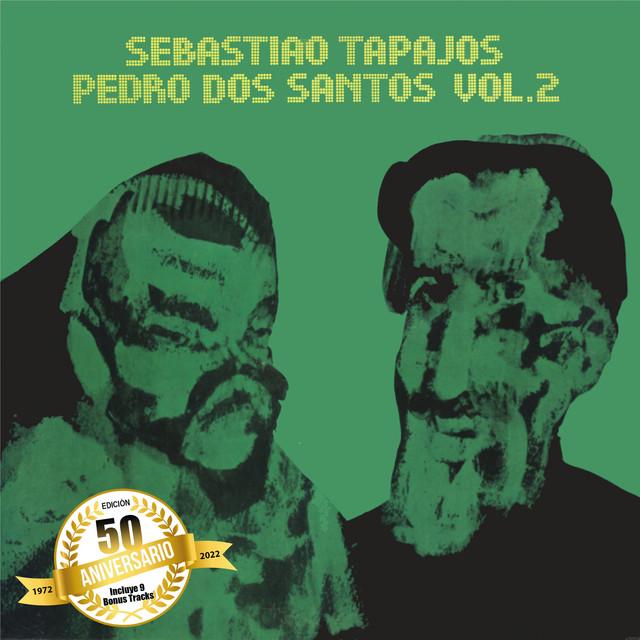
Sebastiao Tapajós

Latin
Samba
Latin Jazz
 Viberate Rank: 214775
 Viberate Rank: 214775
 Monthly ListenersFollowers
 Subscribers
 Followers
 Followers
 FansTop Spotify Songs
| Track | 7-Day Streams | |
|---|---|---|
1 | 6.43K | |
2 | 5.44K | |
3 | 3.42K | |
4 | 3.19K | |
5 | 1.64K |
Top YouTube VideosMonthly ListenersFeatured in Playlists| Playlist | Followers | |
|---|---|---|
1 |  🪐🪐🪐🪐🪐🪐🪐🪐☼:̴͓̞̑̌̂̆̊͋̀:̸͎̟̯̂̓̌:̶̢͙͙͕̠̩͆ ⃝🟠 ̴̤̻̀(̵̙̺̳̩͐͗́͑͋̓̕͜ͅ(̵̺͖̤͌͂͑̐̕o̶̢̘͔̒̈̑̒͊v̴̢͚͚͎͎̞͒͊̎ȯ̶̞̮͖̑̈́̿ ☼:̴͓̞̑̌̂̆̊͋̀:̸͎̟̯̂̓̌:̶̢͙͙͕̠̩͆(̷̮͍͚̫͚͂̍)̵̳̗̊( 🟠🟢⦿🔵🟡\̸̧͔̰̳̦̣̪̈̏̓ ̴̡̛̅͐͛̀̽/̶̱̼̣̤̰̲̣̈́̋͌̿̄̍̊\̴̲̣̝̀͜ͅ🔴🫧✨🫧 ̵̨̛̱̥͕́̎́̐͝/̸̠̜̅̐͊̋̿̐̓\̸̧͔̰̳̦̣̪̈̏̓ ̴̡̛̅͐͛̀̽🥏🟠/̶̱̼̣̤̰̲̣̈́̋͌̿̄̍̊\̴̲̣̝̀͜ͅ💥 ̸̝̮̟̹̀̆̋̿ ̴̤̻̀🥭(̵̙̺̳̩͐͗́͑͋̓̕͜ͅ(̵̺͖̤͌͂͑̐̕o̶̢̘͔̒̈̑̒͊🔵:̸͎̟̯̂̓̌:̶̢͙͙͕̠̩͆(̷̮͍͚̫͚͂̍)̵̳̗̊(🟠🪐 Four Tet | 210.49K |
2 |  Choros Essenciais Spotify | 77.27K |
3 | Brazilian Classics Felix van Gisbergen | 63.88K |
4 |  Un Desayuno tranquilo Guy Niv | 21.21K |
5 |  Antal // Rush Hour Choice antalrushhour | 15.47K |
Audience| City | Monthly Listeners | |
|---|---|---|
1 | | 6.07K |
2 | | 2.77K |
3 | | 1.71K |
4 | | 1.70K |
5 | | 1.65K |
See full performance history, audience data, playlist activity, rankings, comparisons, and more in Viberate music analytics. Start with a free trial, then continue with a paid plan.
Sebastiao Tapajós’ Spotify Bioby Sebastião Tapajós was a renowned Brazilian musician with over 50 recorded albums. A classically trained violonista (acoustic guitar player), he soon awakened his own musical expression, which bridges the gap between the rich Brazilian tradition and the delicacy, subtlety, and sophistication of the classical tradition. He received more than 20 awards in his career, including Germany's Album of the Year. Touring intensively through Europe, he played and recorded with Gerry Mulligan, Astor Piazzolla, Oscar Peterson, Paquito de Rivera, Zimbo Trio, Hermeto Pascoal, and many others, with concerts attended by more than 600,000 people.
His father, who was his first teacher, prompted him to begin playing at nine. He continued to study as a self-taught musician until he moved to Belém, in Pará, Brazil, studying musical theory with Professor Drago. In 1963, he moved again, this time to Rio, where he studied with Othon Salieri. In 1964, he moved to Portugal, where he graduated from the Lisbon… National Music Conservatory. Tapajós was already an active performing artist, playing concerts in Portugal and Spain. In Madrid, he studied with guitar master Emilio Pujol, having graduated from the Hispanic Culture Institute. Since 1968, his recordings have been released in Brazil, Argentina, Japan, and in most European countries. Returning to Belém, he spent some time there before returning to Rio, in search of performing opportunities and to research Brazilian popular music. The first opportunity to perform came with a rendition of Villa-Lobos' Concerto for Guitar and Orchestra with National Symphonic Orchestra at the Teatro Municipal, Rio's most distinguished classical music concert house. The reviews were very favorable, and he began to tour Brazil and the U.S., giving concerts. Tapajós developed an interest in writing Brazilian popular music. His compositions, always evidencing an original character while avoiding easy commercial references, are profoundly rooted in Brazilian tradition. In 1972, Brasil: El Arte de la Guitarra was released by Discmedia/Trova-Alfa, with themes from classical and popular Brazilian composers, and his own compositions, along with a Weiss piece, "Allemande." After 1973, he toured Europe with great success. That same year, he performed at the Folklore and Bossa Nova of Brazil Festival, accompanying Maria Betânia and Paulinho da Viola, and he recorded Bienvenido Tapajós for MPS. He then began an intense touring schedule through Germany, Austria, Denmark, Norway, Italy, Holland, Belgium, and other countries. He also makes a point in presenting to his European audiences other great Brazilian musicians, such as Maurício Einhorn, Zimbo Trio, Joel do Bandolim, Djalma Correa, Sivuca, and others.
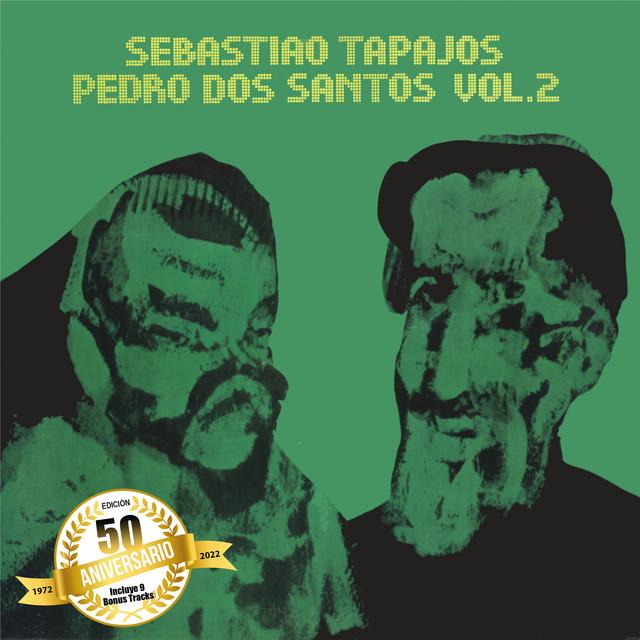
In 1981, Sebastião Tapajós recorded with Zimbo Trio the album Sincopando, for Stockfisch. In 1982, his LP Guitarra Criolla was awarded, in Germany, as the Album of the Year. Two years later, he released Xingu, with Pedro "Sorongo" Santos and Djalma Correa, through Tropical Music. His LP Terra was also awarded as Best Foreign Album in Germany. In 1988, Sebastião Tapajós recorded Luá, Joá, with Maurício Einhorn, for Caju Music. In Brazil, he was awarded by the Academia Brasileira de Letras as the best Brazilian musician of 1992. In 1993, he recorded a CD entirely dedicated to Villa-Lobos' music, Villa-Lobos, also for L'Art. In 1994, he recorded an album with pieces mostly by Hispanic classical composers. But, in 1995, his Visões do Nordeste (L'Art) brought his own compositions with Northeast Brazilian rhythms; with only one song not written by him, the Northeastern folklore song, "Mulher Rendeira." With Brazilian pianist Gilson Peranzzetta, Tapajós recorded, in 1996, the album Affinities, mostly with compositions by the two. Rejecting being labeled as a "jazz" player, Sebastião Tapajós was simply a Brazilian music player; he died on October 2, 2021 at the age of 78. ~ Alvaro Neder, Rovi
Viberate is a music analytics platform built for A&Rs, artist managers, labels, booking agents, marketers, and artists.
It helps music professionals track artist growth, analyze audience data, monitor playlist activity, compare artists, follow song performance, and identify opportunities across the music market.
Public artist pages provide a free preview of selected artist data. Paid plans provide access to deeper analytics, historical data, charts, comparisons, playlist tools, exports, alerts, reports, and additional professional features.
Yes. Public Viberate artist pages provide selected artist analytics and music data for free.
Viberate also offers a 7-day free trial of the full platform. A credit card is required to start the trial. The trial includes access to the complete product so users can test deeper artist analytics, historical views, playlist insights, comparisons, charts, exports, alerts, and reporting features before choosing a paid plan.
Viberate provides artist analytics across streaming, playlists, social media, video, radio airplay, songs, and audience markets.
Users can analyze Spotify performance, Spotify and Apple Music playlists, YouTube activity, TikTok and Instagram growth, radio spins, song performance, audience locations, demographics, rankings, and overall artist momentum.
Artist profiles also connect to music charts, similar artists, and comparison tools, helping users benchmark performance and evaluate artists in context.
Viberate updates key artist and track data daily.
For followed artists and tracks, selected data is refreshed multiple times per day. This helps teams monitor playlist changes, streaming movement, audience growth, releases, and campaign performance with more current data.
Update frequency can vary depending on the metric and data source.
Yes. Viberate lets users compare up to five artists side by side across streaming, social media, audience, and engagement metrics.
Users can compare fanbase growth, audience demographics, locations, Spotify performance, social metrics, and other artist data over selected time periods.
Artist comparison can be used for A&R scouting, benchmarking, booking decisions, campaign planning, and evaluating artists with similar audiences or market positions.