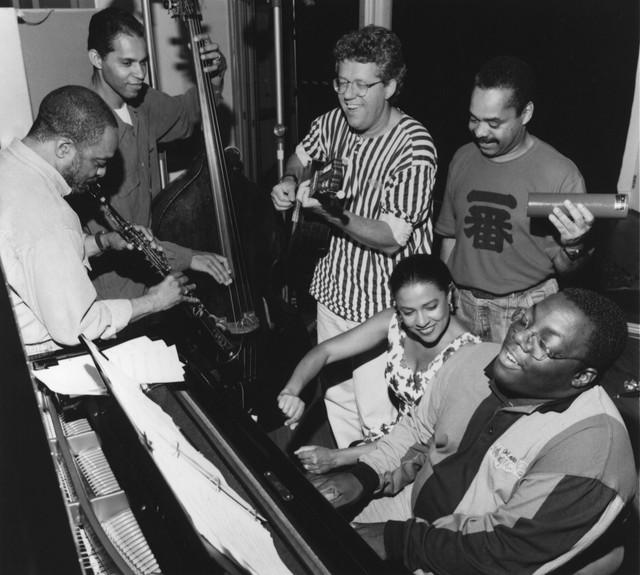
Mauricio Einhorn

Jazz
Smooth Jazz
Latin Jazz
 Viberate Rank: 212117
 Viberate Rank: 212117
 Monthly ListenersFollowers
 Subscribers
 Followers
 Followers
 FansTop Spotify Songs
| Track | 7-Day Streams | |
|---|---|---|
1 | 5.05K | |
2 | 3.31K | |
3 | 2.38K | |
4 | 2.17K | |
5 | 1.33K |
Top YouTube VideosMonthly ListenersFeatured in Playlists| Playlist | Followers | |
|---|---|---|
1 |  Café Bossa Spotify | 282.52K |
2 |  Jazz BR Spotify | 163.19K |
3 |  Choros Essenciais Spotify | 77.27K |
4 | Bossa Nova Moises Alfonso | 27.13K |
5 |  The Sky Is Crying 🌧 Don's Tunes | 14.81K |
Audience| City | Monthly Listeners | |
|---|---|---|
1 | | 3.29K |
2 | | 1.68K |
3 | | 890 |
4 | | 865 |
5 | | 497 |
See full performance history, audience data, playlist activity, rankings, comparisons, and more in Viberate music analytics. Start with a free trial, then continue with a paid plan.
Mauricio Einhorn’s Spotify BioMaurício Einhorn, creative improviser on the jazz harmonica and composer of several classics of bossa nova, had his songs recorded by Tom Jobim, Cannonball Adderley, Herbie Mann, Paquito d'Rivera, Leny Andrade, Lito Nebbia, and others. Some of his hits are "Different Beat" ("Batida Diferente," written with Durval Ferreira), "Cloud" ("Nuvem"), "There We Are" ("Estamos Aí," written with Durval Ferreira/Regina Werneck), "Tristeza de Nós Dois" (written with Durval Ferreira/Bebeto), "Alvorada," "Joyce's Samba," and "Sambop." Einhorn's debut was as early as 1947 on the Rádio Tupi in the show Programa das Gaitas Hering (named after a harmonica factory which sponsored the program). In 1949, he recorded for the first time, with the harmonica group Brazilian Rascals, the theme "Portate Bien." In the same year, he performed with Waldir Azevedo and his regional band at the Rádio Clube do Brasil.
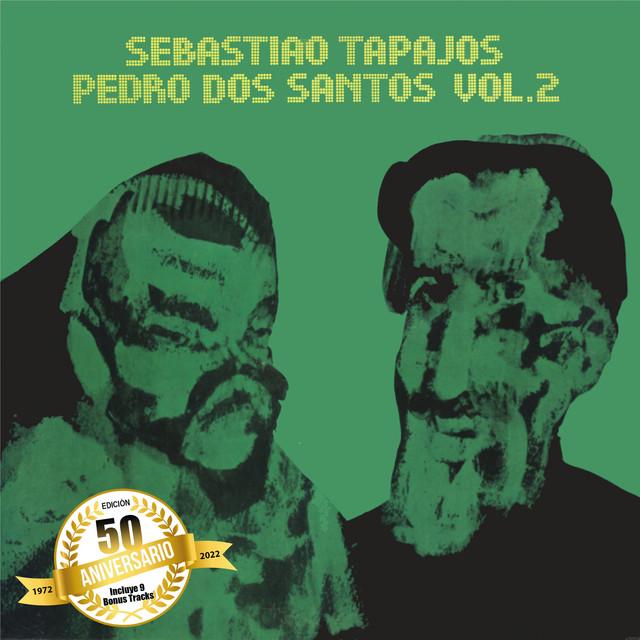
Einhorn had an original song recorded for the first time in 1960: "Sambop" (written with Durval Ferreira…) and "Tristeza de Nós Dois" (written with Durval Ferreira/Bebeto), by Claudette Soares on the LP Nova Geração em Ritmo de Samba, on which Einhorn also participated as a sideman. Having recorded with a who's who of Brazilian music since then, he only cut his own first LP in 1975, The Oscar Winners, reissued two years later as A Era de Ouro do Cinema. In 1979, Einhorn participated in the Montreux Festival (Switzerland) with David Sanborn, Monty Alexander, and Nina Simone. In 1984, he recorded in duo with Sebastião Tapajós on guitar (having as a special guest the bassist Arismar do Espírito Santo) the notable LP Maurício Einhorn & Sebastião Tapajós. Invited by Pete Pedersen, Einhorn participated in 1997 in a show realized by the SPAH (Association of Preservation of the Harmonica) in Troy, MI, in a duo with Joe Carter; with whom he also performed in the same year at the International Harmonica Hohner Festival, in Trossingen (Germany), invited by Arnold Kutzli. ~ Alvaro Neder, Rovi
Viberate is a music analytics platform built for A&Rs, artist managers, labels, booking agents, marketers, and artists.
It helps music professionals track artist growth, analyze audience data, monitor playlist activity, compare artists, follow song performance, and identify opportunities across the music market.
Public artist pages provide a free preview of selected artist data. Paid plans provide access to deeper analytics, historical data, charts, comparisons, playlist tools, exports, alerts, reports, and additional professional features.
Yes. Public Viberate artist pages provide selected artist analytics and music data for free.
Viberate also offers a 7-day free trial of the full platform. A credit card is required to start the trial. The trial includes access to the complete product so users can test deeper artist analytics, historical views, playlist insights, comparisons, charts, exports, alerts, and reporting features before choosing a paid plan.
Viberate provides artist analytics across streaming, playlists, social media, video, radio airplay, songs, and audience markets.
Users can analyze Spotify performance, Spotify and Apple Music playlists, YouTube activity, TikTok and Instagram growth, radio spins, song performance, audience locations, demographics, rankings, and overall artist momentum.
Artist profiles also connect to music charts, similar artists, and comparison tools, helping users benchmark performance and evaluate artists in context.
Viberate updates key artist and track data daily.
For followed artists and tracks, selected data is refreshed multiple times per day. This helps teams monitor playlist changes, streaming movement, audience growth, releases, and campaign performance with more current data.
Update frequency can vary depending on the metric and data source.
Yes. Viberate lets users compare up to five artists side by side across streaming, social media, audience, and engagement metrics.
Users can compare fanbase growth, audience demographics, locations, Spotify performance, social metrics, and other artist data over selected time periods.
Artist comparison can be used for A&R scouting, benchmarking, booking decisions, campaign planning, and evaluating artists with similar audiences or market positions.