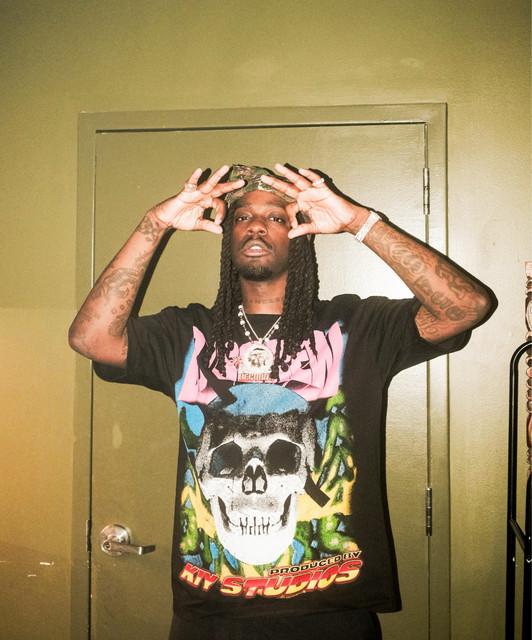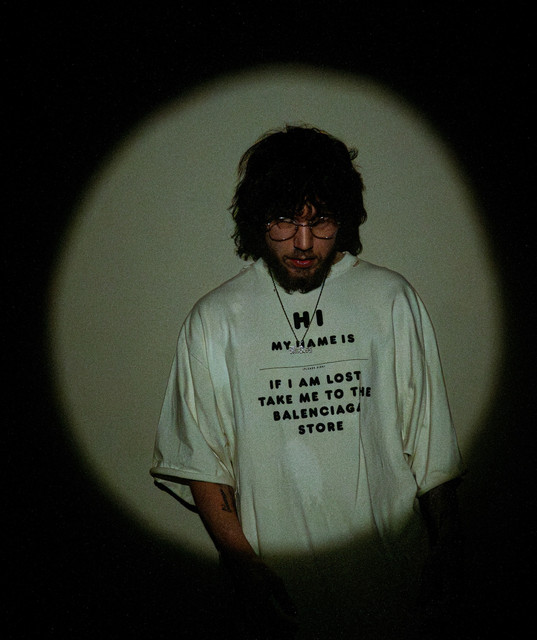
Scrim

Hip Hop
Trap
Alternative Hip Hop
 Viberate Rank: 7248
 Viberate Rank: 7248
 Monthly ListenersFollowers
 Subscribers
 Followers
 Followers
 FansTop Spotify Songs
| Track | 7-Day Streams | |
|---|---|---|
1 | 119.77K | |
2 | 108.26K | |
3 | 101.23K | |
4 | 99.48K | |
5 | 91.26K |
Top YouTube VideosMonthly ListenersFeatured in Playlists| Playlist | Followers | |
|---|---|---|
1 |  tear drop Spotify | 1.63M |
2 |  TIRADE Spotify | 602.33K |
3 |  Hip Hop Party Filtr Germany | 170.33K |
4 |  HYPE MUSIC: Best Hip Hop Songs 2020 Filtr | 125.68K |
5 |  New Rap Hits Filtr Germany | 115.12K |
Audience| City | Monthly Listeners | |
|---|---|---|
1 | | 20.26K |
2 | | 19.51K |
3 | | 18.80K |
4 | | 16.28K |
5 | | 15.11K |
See full performance history, audience data, playlist activity, rankings, comparisons, and more in Viberate music analytics. Start with a free trial, then continue with a paid plan.
Scrim’s Spotify BioScrim and his cousin Ruby grew up together, white kids in black neighborhoods on the east and west banks of the New Orleans. The Crescent City rap duo went on to form $uicideboy$ when they combined their talents in 2014, but the pair were already well-acquainted after growing up in close proximity and having similar interests. However, they initially veered down different paths. Ruby (aka Suicide Leopard) dabbled in punk rock, influenced by the Misfits , Minor Threat , and Leftover Crack . Meanwhile, Scrim (aka Suicide Christ) was a DJ and songwriter with deep roots in trap and hip hop. Once they joined forces in 2014, the result was a dark blend of horrorcore glitch-trap bubbling with booming bass, ominous atmospherics, and occultish, drugged-out rhymes. Ten volumes were issued that year, closing with XX: The Infinity Saga . Early 2018 saw the release of single “FUCKALLOFYOU2K18.” Later that year, they issued “Carrollton” and “Meet Mr. NICEGUY,” a pair of singles that landed on their… fall release, I Want to Die in New Orleans. Issued in September 2019, the album landed at number nine on the Billboard 200. Prior to headlining the inaugural Grey Day Tour, the duo released a 6-track EP in May with the legendary Travis Barker titled “Live Fast, Die Whenever.” $uicideboy$ released their newest 12-track project on February 14th titled "Stop Staring at the Shadows," garnering over 150 million streams in its first week.
Viberate is a music analytics platform built for A&Rs, artist managers, labels, booking agents, marketers, and artists.
It helps music professionals track artist growth, analyze audience data, monitor playlist activity, compare artists, follow song performance, and identify opportunities across the music market.
Public artist pages provide a free preview of selected artist data. Paid plans provide access to deeper analytics, historical data, charts, comparisons, playlist tools, exports, alerts, reports, and additional professional features.
Yes. Public Viberate artist pages provide selected artist analytics and music data for free.
Viberate also offers a 7-day free trial of the full platform. A credit card is required to start the trial. The trial includes access to the complete product so users can test deeper artist analytics, historical views, playlist insights, comparisons, charts, exports, alerts, and reporting features before choosing a paid plan.
Viberate provides artist analytics across streaming, playlists, social media, video, radio airplay, songs, and audience markets.
Users can analyze Spotify performance, Spotify and Apple Music playlists, YouTube activity, TikTok and Instagram growth, radio spins, song performance, audience locations, demographics, rankings, and overall artist momentum.
Artist profiles also connect to music charts, similar artists, and comparison tools, helping users benchmark performance and evaluate artists in context.
Viberate updates key artist and track data daily.
For followed artists and tracks, selected data is refreshed multiple times per day. This helps teams monitor playlist changes, streaming movement, audience growth, releases, and campaign performance with more current data.
Update frequency can vary depending on the metric and data source.
Yes. Viberate lets users compare up to five artists side by side across streaming, social media, audience, and engagement metrics.
Users can compare fanbase growth, audience demographics, locations, Spotify performance, social metrics, and other artist data over selected time periods.
Artist comparison can be used for A&R scouting, benchmarking, booking decisions, campaign planning, and evaluating artists with similar audiences or market positions.