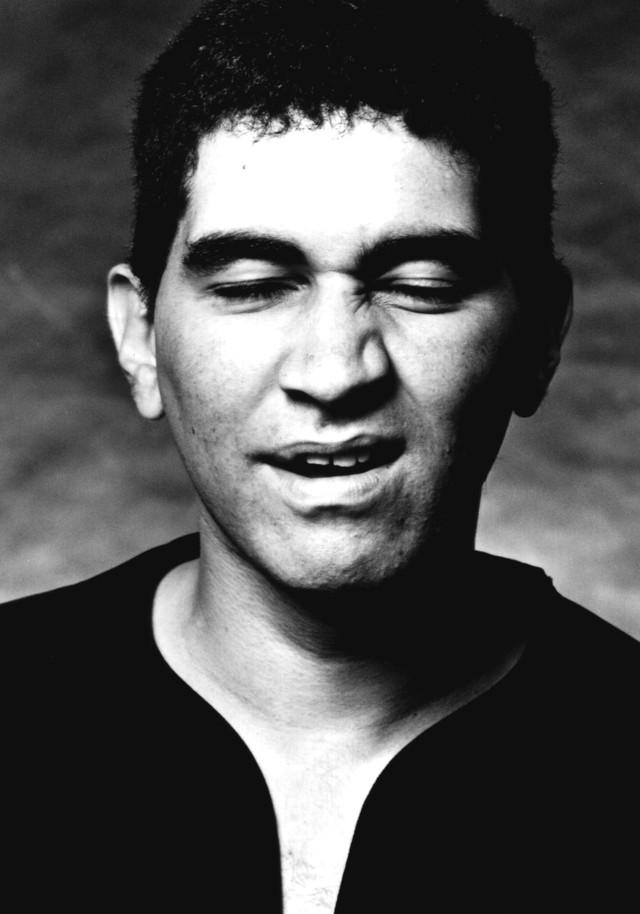
Scott Weiland

Rock
Alternative Rock
 Viberate Rank: 45214
 Viberate Rank: 45214
 Monthly ListenersFollowers
 Subscribers
 Followers
 Followers
 FansTop Spotify Songs
| Track | 7-Day Streams | |
|---|---|---|
1 | 4.21K | |
2 | 2.31K | |
3 | 1.68K | |
4 | 1.57K | |
5 | 1.44K |
Top YouTube VideosMonthly ListenersFeatured in Playlists| Playlist | Followers | |
|---|---|---|
1 | GRUNGE zerubi | 80.90K |
2 |  Guitar Hero Live Playlist GuitarHero | 50.18K |
3 |  ¤ Rock Collection ¤ (The Full Collection) Alexie Mc | 18.84K |
4 |  Rock Hits Primary Wave | 18.75K |
5 |  Austin Powers Triple Feature Tony Wiese | 12.35K |
Audience| City | Monthly Listeners | |
|---|---|---|
1 |  | 751 |
2 |  | 691 |
3 |  | 501 |
4 |  | 391 |
5 |  | 389 |
See full performance history, audience data, playlist activity, rankings, comparisons, and more in Viberate music analytics. Start with a free trial, then continue with a paid plan.
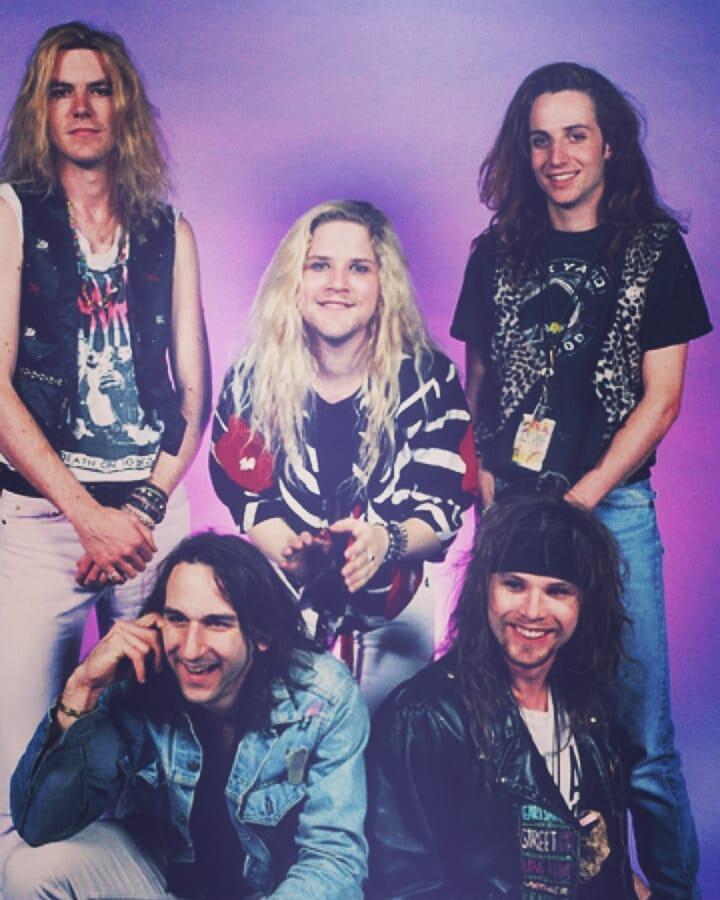
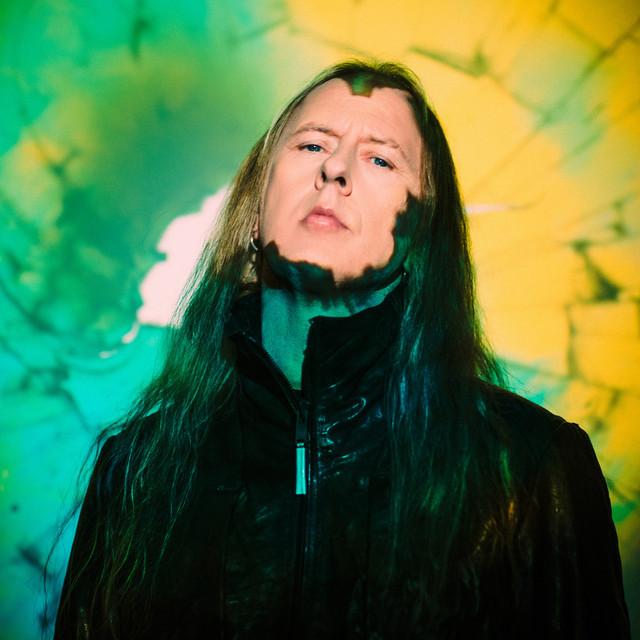
Scott Weiland’s Spotify BioAfter rocketing to fame as the frontman for grunge-era favorites Stone Temple Pilots, singer Scott Weiland later mounted a solo career and joined the supergroup Velvet Revolver. Born October 27, 1967, in Santa Cruz, California, he spent his first 15 years outside of Cleveland before moving back to the West Coast and immersing himself in the thriving Orange County punk scene. Weiland founded the band Mighty Joe Young with guitarist Robert DeLeo in 1987; later rechristened Stone Temple Pilots, the group became one of the biggest acts of the mid-'90s, following the lead of artists like Nirvana and Pearl Jam and topping the charts with an angst-ridden hard rock sound.
However, such success did not come without a price. Following the group's second LP, 1994's Purple, it was revealed that Weiland had become a heroin addict. After a stay in rehab, he returned to Stone Temple Pilots to record their third record, 1996's Tiny Music...Songs from the Vatican Gift Shop. However, after Weiland… suffered a relapse in his ongoing battle with drugs, the group was forced to cancel its upcoming tour; when the other three members subsequently recorded an album with a different singer under the name Talk Show, STP's continued existence appeared shaky at best, and Weiland went solo to record 1998's 12 Bar Blues.
Problems stemming from drug abuse continued to dog Weiland during the late '90s. His album faltered commercially, and a subsequent arrest for buying heroin ultimately landed the troubled singer in jail. Nonetheless, STP reconvened for the 1999 album No. 4, which featured the hit single "Sour Girl" -- purportedly inspired by the breakup of Weiland's marriage. Despite the success of the album, STP officially parted ways around 2001, allegedly due to a fight between Weiland and DeLeo. Weiland still seemed unable to avoid controversy, as a car crash on his birthday in 2003 landed him back in rehab.
Around this time, former Guns N' Roses members Slash, Duff McKagan, and Matt Sorum -- no strangers to rock & roll excess themselves -- auditioned Weiland for a new band. The trio took to Weiland immediately, and the newly christened hard rock ensemble Velvet Revolver released a debut album, Contraband, in 2004. The effort proved to be quite popular, earning double-platinum certification in the U.S. and landing Velvet Revolver a Grammy for Best Hard Rock Performance (for the single "Slither") in 2005. Weiland remained with the band for 2007's sophomore effort, Libertad. Despite debuting at number five, however, the album fell from the charts within several months, and Velvet Revolver reluctantly postponed several tour dates when Weiland entered a rehab facility in early 2008. Tensions ran high during the shows that the band did manage to play, and Weiland's official exit from the band was announced on April 1. The singer likewise split with Camp Freddy, a cover band that also featured Velvet Revolver's Matt Sorum.
Free of his Velvet Revolver duties, Weiland bounced back by joining the 2008 reunion of Stone Temple Pilots. Work on another solo album coincided with STP's summer tour, which saw the band performing 65 shows across the United States. Weiland then issued "Happy" in Galoshes, his second solo effort, in November 2008. A number of solo performances followed the album's release, including a concert at the Fonda Theatre that was later documented on 2010's Live in Los Angeles. The year 2011 saw the release of Weiland's much delayed holiday album, Most Wonderful Time of the Year, a set of traditional Yuletide standards like "Silent Night," "Have Yourself a Merry Little Christmas," and "O Holy Night" done in a myriad of styles, including pop, big band, reggae, and bossa nova.
Weiland spent the next couple of years working on new music and playing with his band the Wildabouts, who supported him in 2013 for a tour called Purple at the Core, where he revisited old Stone Temple Pilots songs. Early in 2015, he revealed the spring release of his fourth solo album, Blaster. Around the same time, Art of Anarchy -- a band featuring Bumblefoot of Guns N' Roses and John Moyer of Disturbed -- announced that recordings they'd made with Weiland would also appear in the spring; they surfaced in June of that year. Weiland soon disassociated himself from Art of Anarchy and made clear that Blaster, the April album he recorded and toured with the Wildabouts, was his priority.
On December 3, 2015, while on tour with the Wildabouts, Weiland was found dead by local police in Bloomington, Minnesota. Responding to a report of an unresponsive male in a recreational motor vehicle, police determined he had already passed away. Weiland was 48 years old. ~ Jason Ankeny, Rovi
Viberate is a music analytics platform built for A&Rs, artist managers, labels, booking agents, marketers, and artists.
It helps music professionals track artist growth, analyze audience data, monitor playlist activity, compare artists, follow song performance, and identify opportunities across the music market.
Public artist pages provide a free preview of selected artist data. Paid plans provide access to deeper analytics, historical data, charts, comparisons, playlist tools, exports, alerts, reports, and additional professional features.
Yes. Public Viberate artist pages provide selected artist analytics and music data for free.
Viberate also offers a 7-day free trial of the full platform. A credit card is required to start the trial. The trial includes access to the complete product so users can test deeper artist analytics, historical views, playlist insights, comparisons, charts, exports, alerts, and reporting features before choosing a paid plan.
Viberate provides artist analytics across streaming, playlists, social media, video, radio airplay, songs, and audience markets.
Users can analyze Spotify performance, Spotify and Apple Music playlists, YouTube activity, TikTok and Instagram growth, radio spins, song performance, audience locations, demographics, rankings, and overall artist momentum.
Artist profiles also connect to music charts, similar artists, and comparison tools, helping users benchmark performance and evaluate artists in context.
Viberate updates key artist and track data daily.
For followed artists and tracks, selected data is refreshed multiple times per day. This helps teams monitor playlist changes, streaming movement, audience growth, releases, and campaign performance with more current data.
Update frequency can vary depending on the metric and data source.
Yes. Viberate lets users compare up to five artists side by side across streaming, social media, audience, and engagement metrics.
Users can compare fanbase growth, audience demographics, locations, Spotify performance, social metrics, and other artist data over selected time periods.
Artist comparison can be used for A&R scouting, benchmarking, booking decisions, campaign planning, and evaluating artists with similar audiences or market positions.