Scott Holt

Blues
Contemporary Blues
 Viberate Rank: 394726
 Viberate Rank: 394726
 Monthly ListenersFollowers
 Subscribers
 Followers
 Followers
 FansTop Spotify Songs
| Track | 7-Day Streams | |
|---|---|---|
1 | 97 | |
2 | 73 | |
3 | 47 | |
4 | 46 | |
5 | 21 |
Top YouTube VideosMonthly ListenersFeatured in Playlists| Playlist | Followers | |
|---|---|---|
1 |  Relaxing Blues Music Relaxing Blues Music | 10.26K |
2 | Luiz Henrique Araujo | 9.50K |
3 |  THE BEST BLUES Kello | 6.22K |
4 |  Midnight Blues Helmut Neubauer | 3.81K |
5 | Chicago Blues #1 André Schmid | 2.78K |
Audience| City | Monthly Listeners | |
|---|---|---|
1 |  | 13 |
2 | | 9 |
3 |  | 8 |
4 |  | 8 |
5 |  | 7 |
See full performance history, audience data, playlist activity, rankings, comparisons, and more in Viberate music analytics. Start with a free trial, then continue with a paid plan.
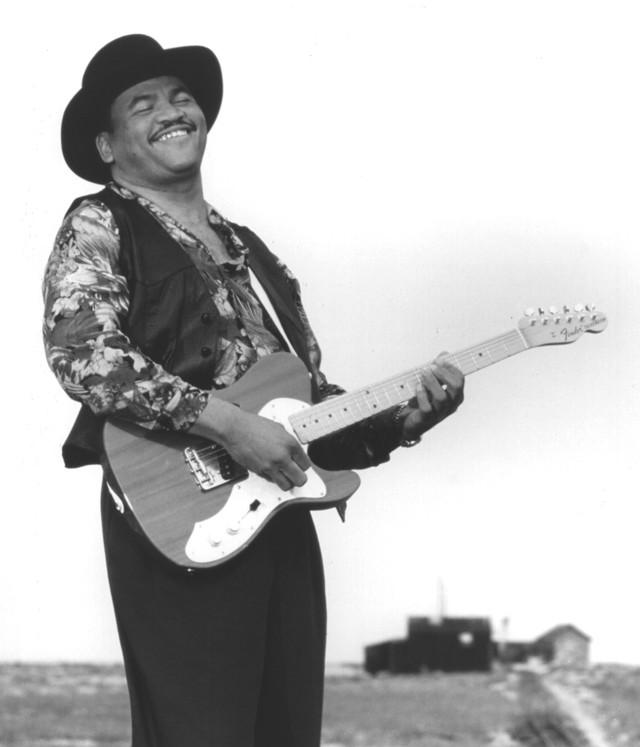
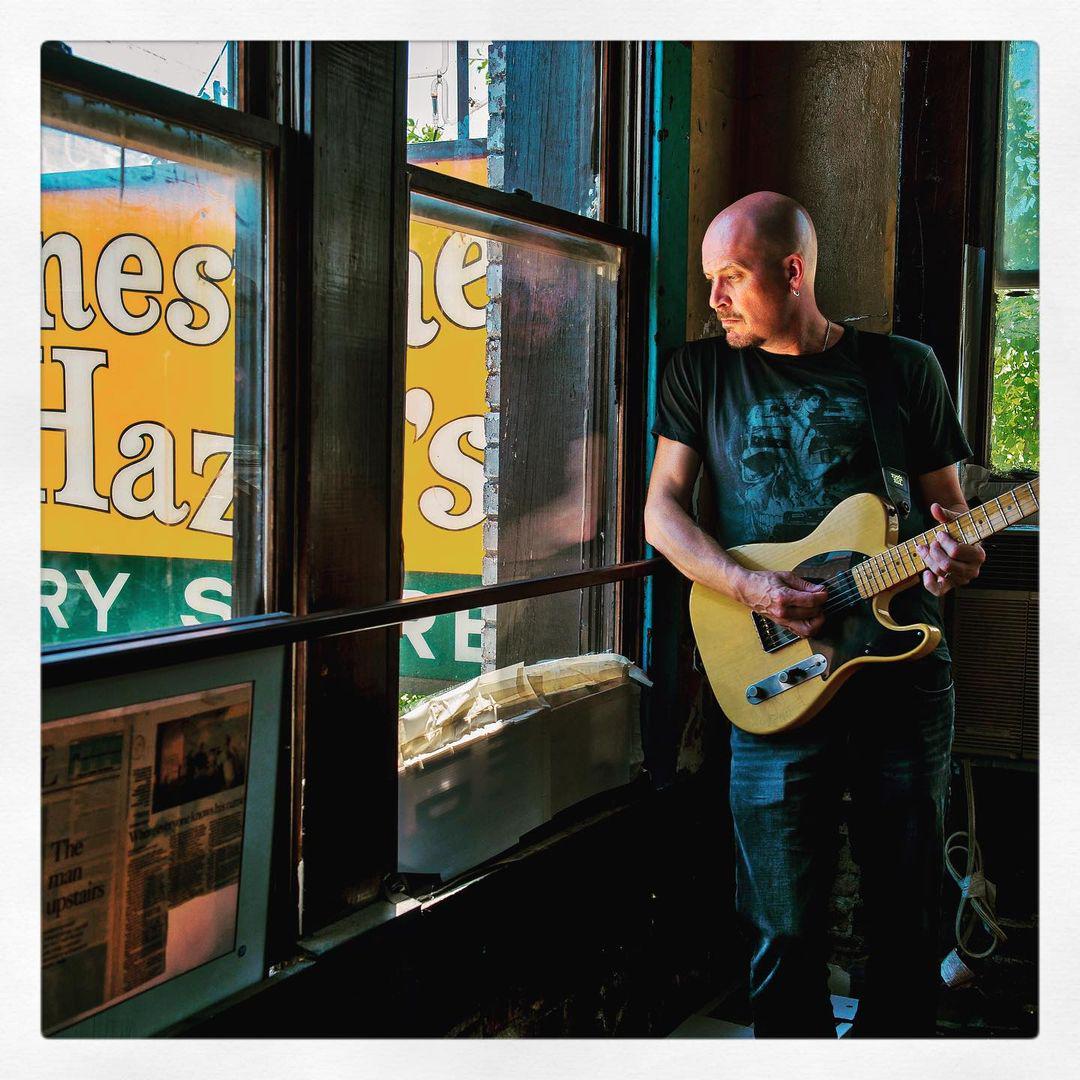
Scott Holt’s Spotify BioGuitar virtuoso Scott Holt first came to national prominence as part of various high energy bands led by legendary Chicago blues guitarist and singer Buddy Guy. He was just 23 when Guy took him under his wing and taught him how to travel intelligently while accommodating the rigorous nature of blues touring. Holt stayed with Guy on the road and in the recording studio for a decade, earning his post-graduate education with one of the true blues guitar masters.
Holt was raised in Tennessee, and hearing Jimi Hendrix for the first time proved to be a revelatory moment in his life. His parents bought him a guitar for Christmas when he was 12. Like a lot of kids, he took piano lessons, because he had to, but he quit after six months. He didn't get serious about playing the instrument until he was 19, when his parents bought him an electric guitar. When he was 20, his father took him to hear Buddy Guy one night. That night, he met Guy and got an improvised guitar lesson from the master. He… would frequently sit in with Guy on stage when he was touring around Nashville. One day in 1989, Guy called Holt out of the blue and asked him to join his touring band.
Holt began writing his own songs while on the road with Guy and eventually began to record his songs, back home in Nashville, during breaks from Guy's international touring schedule.
In a record company biography accompanying "Dark of the Night," his first nationally distributed recording, Holt argues: "Every genre has its purists, but blues doesn't start and stop with Muddy Waters." Indeed, through the 1990's and into the new millennium, Holt and his various touring bands have been expanding the parameters of the form, and thanks to his decade on the road with Guy, he's been able to share stages and learn from the likes of Eric Clapton, John Mayall, Albert Collins, Jack Bruce, Carlos Santana and Bon Jovi's Richie Sambora.
Holt's albums under his own name, which showcase his abilities as a songwriter and singer as well as his fiery, passionate, high energy guitar playing, include his debut, "Messing with the Kid," in 1998, "Dark of the Night," a 1999 release for Mystic Music, "Chipped Front Tooth," for Lightyear Entertainment in 2003, and "From Lettsworth to Legend: A Tribute to Buddy Guy."
More recently, he's released "Angels in Exile" for Blue Storm Music in 2001 and "Revelator" for Rockview in late 2005. Holt continues to tour the U.S. and Canada. ~ Richard Skelly, Rovi
Viberate is a music analytics platform built for A&Rs, artist managers, labels, booking agents, marketers, and artists.
It helps music professionals track artist growth, analyze audience data, monitor playlist activity, compare artists, follow song performance, and identify opportunities across the music market.
Public artist pages provide a free preview of selected artist data. Paid plans provide access to deeper analytics, historical data, charts, comparisons, playlist tools, exports, alerts, reports, and additional professional features.
Yes. Public Viberate artist pages provide selected artist analytics and music data for free.
Viberate also offers a 7-day free trial of the full platform. A credit card is required to start the trial. The trial includes access to the complete product so users can test deeper artist analytics, historical views, playlist insights, comparisons, charts, exports, alerts, and reporting features before choosing a paid plan.
Viberate provides artist analytics across streaming, playlists, social media, video, radio airplay, songs, and audience markets.
Users can analyze Spotify performance, Spotify and Apple Music playlists, YouTube activity, TikTok and Instagram growth, radio spins, song performance, audience locations, demographics, rankings, and overall artist momentum.
Artist profiles also connect to music charts, similar artists, and comparison tools, helping users benchmark performance and evaluate artists in context.
Viberate updates key artist and track data daily.
For followed artists and tracks, selected data is refreshed multiple times per day. This helps teams monitor playlist changes, streaming movement, audience growth, releases, and campaign performance with more current data.
Update frequency can vary depending on the metric and data source.
Yes. Viberate lets users compare up to five artists side by side across streaming, social media, audience, and engagement metrics.
Users can compare fanbase growth, audience demographics, locations, Spotify performance, social metrics, and other artist data over selected time periods.
Artist comparison can be used for A&R scouting, benchmarking, booking decisions, campaign planning, and evaluating artists with similar audiences or market positions.