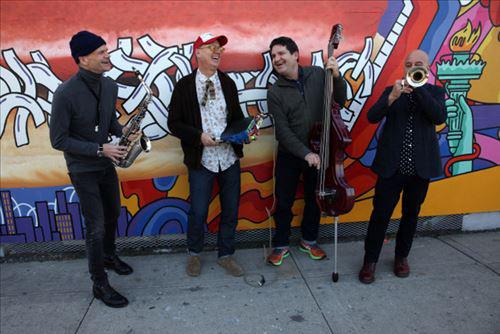
Scott Amendola

Jazz
Free Jazz
Jazz Fusion
 Viberate Rank: 208023
 Viberate Rank: 208023
 Monthly ListenersFollowers
 Subscribers
 Followers
 Followers
 FansTop Spotify Songs
| Track | 7-Day Streams | |
|---|---|---|
1 | 22.20K | |
2 | 11.78K | |
3 | 9.28K | |
4 | 6.73K | |
5 | 4.41K |
Top YouTube VideosMonthly ListenersFeatured in Playlists| Playlist | Followers | |
|---|---|---|
1 |  State of Jazz Spotify | 1.05M |
2 |  Jazz-Funk Spotify | 425.89K |
3 |  Jazz Covers Spotify | 161.30K |
4 |  Funky Jazz, Blues & Soul The New Funky | 74.07K |
5 |  Sunday Jazz, Blues & Soul The New Funky | 13.58K |
Audience| City | Monthly Listeners | |
|---|---|---|
1 |  | 826 |
2 | | 799 |
3 | | 730 |
4 | | 676 |
5 |  | 606 |
See full performance history, audience data, playlist activity, rankings, comparisons, and more in Viberate music analytics. Start with a free trial, then continue with a paid plan.
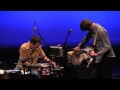
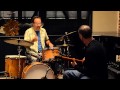
Scott Amendola’s Spotify BioAn adventurous, Bay Area drummer, Scott Amendola is known for his eclectic work playing a mix of jazz, rock, funk, and avant-garde improvisation. Since his emergence as a member of guitarist Charlie Hunter's group in the mid-'90s, Amendola has distinguished himself, collaborating regularly with Nels Cline, Jenny Scheinman, and Ben Goldberg, and issuing inventive albums, including 2003's Cry, 2010's Lift, and 2016's Fade to Orange.
Born in Tenafly, New Jersey in 1969, Amendola first started playing drums at age nine. Initially interested in rock music, he was introduced to jazz by his grandfather, guitarist Tony Gottuso. Along with swing and bop artists, he developed a love for avant-garde jazz, especially that of Ornette Coleman and Pat Metheny's Song X project, which he saw on tour in 1986. After high school, he further honed his skills attending Berklee College of Music in Boston, where he rubbed shoulders with classmates like Kurt Rosenwinkel and Seamus Blake. While at school he… expanded his approach, digging even deeper into the music of Coleman, as well as Steely Dan, Miles Davis, and Dave Weckl. Graduating in 1992, he moved to the San Francisco Bay-area where he found a home in the vibrantly eclectic music scene. It was there that he met guitarist Charlie Hunter, joining him on a regular Friday night gig. Together, they formed the adventurous T.J. Kirk band with guitarist John Schott and Will Bernard, playing the music of Thelonious Monk, James Brown, and Rahsaan Roland Kirk. The group picked up a Grammy nomination for 1996's If Four Was One. Amendola was also a founding member of the innovative Charlie Hunter Quartet with whom he recorded several highly regarded albums for Blue Note, including 1996's Ready...Set...Shango!, 1997's Natty Dread, and 1998's Return of the Candyman.
In 1999, Amendola made his debut as leader with the Scott Amendola Band, an eclectic recording featuring violinist Jenny Scheinman, saxophonist Eric Crystal, guitarist Dave MacNab, and bassist Todd Sickafoose. There were also equally inventive albums with Paul Plimley, Will Bernard, Sonya Hunter, and others. In 2003, he issued his sophomore album, Cry, which found him augmenting his band with guitarist Nels Cline. Believe arrived two years later and again featured Cline as well as longtime Tortoise guitarist Jeff Parker. Amendola then paired with clarinetist Ben Goldberg and bassist Devin Hoff for 2007's Plays Monk. Away from his own work, he also contributed to projects by Hunter, Tony Furtado, Jim Campilongo, and Kelly Joe Phelps, among others. He also came on board as a member of Cline's L. Stinkbug band with guitarist G.E. Stinson and bassist Stuart Liebig.
In 2010, he issued the trio album Lift with guitarist Parker and bassist Jeff Schifflett. That same year, he appeared with clarinetist Goldberg, Hunter, and cornetist Ron Miles on Go Home. He further collaborated with Hunter on two albums with 2012's Not Getting Behind Is the New Getting Ahead and 2013's Pucker. He also contributed to the 2014 Nels Cline Singers album Macroscope, and issued the 2015 duo project Leaps with guitarist Henry Kaiser. Also in 2015, Amendola shifted gears, offering the longform orchestral recording Fade to Orange, featuring contributions by guitarist Cline and bassist Trevor Dunn. The following year, he and organist Will Blades debuted their Amendola vs. Blades duo project with Greatest Hits, and in 2017 joined bassist Michael Manring and guitarist Roberto Zorzi for Facanàpa & Umarells and the World Wide Crash. In 2019, Amendola reunited with Blades for their second Amendola vs. Blades album, Everybody Wins. ~ Matt Collar, Rovi
Viberate is a music analytics platform built for A&Rs, artist managers, labels, booking agents, marketers, and artists.
It helps music professionals track artist growth, analyze audience data, monitor playlist activity, compare artists, follow song performance, and identify opportunities across the music market.
Public artist pages provide a free preview of selected artist data. Paid plans provide access to deeper analytics, historical data, charts, comparisons, playlist tools, exports, alerts, reports, and additional professional features.
Yes. Public Viberate artist pages provide selected artist analytics and music data for free.
Viberate also offers a 7-day free trial of the full platform. A credit card is required to start the trial. The trial includes access to the complete product so users can test deeper artist analytics, historical views, playlist insights, comparisons, charts, exports, alerts, and reporting features before choosing a paid plan.
Viberate provides artist analytics across streaming, playlists, social media, video, radio airplay, songs, and audience markets.
Users can analyze Spotify performance, Spotify and Apple Music playlists, YouTube activity, TikTok and Instagram growth, radio spins, song performance, audience locations, demographics, rankings, and overall artist momentum.
Artist profiles also connect to music charts, similar artists, and comparison tools, helping users benchmark performance and evaluate artists in context.
Viberate updates key artist and track data daily.
For followed artists and tracks, selected data is refreshed multiple times per day. This helps teams monitor playlist changes, streaming movement, audience growth, releases, and campaign performance with more current data.
Update frequency can vary depending on the metric and data source.
Yes. Viberate lets users compare up to five artists side by side across streaming, social media, audience, and engagement metrics.
Users can compare fanbase growth, audience demographics, locations, Spotify performance, social metrics, and other artist data over selected time periods.
Artist comparison can be used for A&R scouting, benchmarking, booking decisions, campaign planning, and evaluating artists with similar audiences or market positions.