Sex Mob

Jazz
Avant-garde Jazz
Nu Jazz
 Viberate Rank: 355343
 Viberate Rank: 355343
 Monthly ListenersFollowers
 Subscribers
 Followers
 Followers
 FansTop Spotify Songs
| Track | 7-Day Streams | |
|---|---|---|
1 | 288 | |
2 | 241 | |
3 | 225 | |
4 | 199 | |
5 | 198 |
Top YouTube VideosMonthly ListenersFeatured in Playlists| Playlist | Followers | |
|---|---|---|
1 |  Zündfunk Recommends Bayern 2 - Zündfunk | 9.89K |
2 |  (Dyn) Audiophile High End test music & Some NO audiophile but Fun ;) Harry van Sloun | 9.41K |
3 |  This Is Laurie Anderson Spotify | 6.73K |
4 |  Pure Jazz Drums Fabián Rodríguez | 4.22K |
5 |  Mob Hits PlayStation®️ | 1.67K |
Audience| City | Monthly Listeners | |
|---|---|---|
1 |  | 43 |
2 |  | 40 |
3 | | 39 |
4 |  | 34 |
5 | | 34 |
See full performance history, audience data, playlist activity, rankings, comparisons, and more in Viberate music analytics. Start with a free trial, then continue with a paid plan.
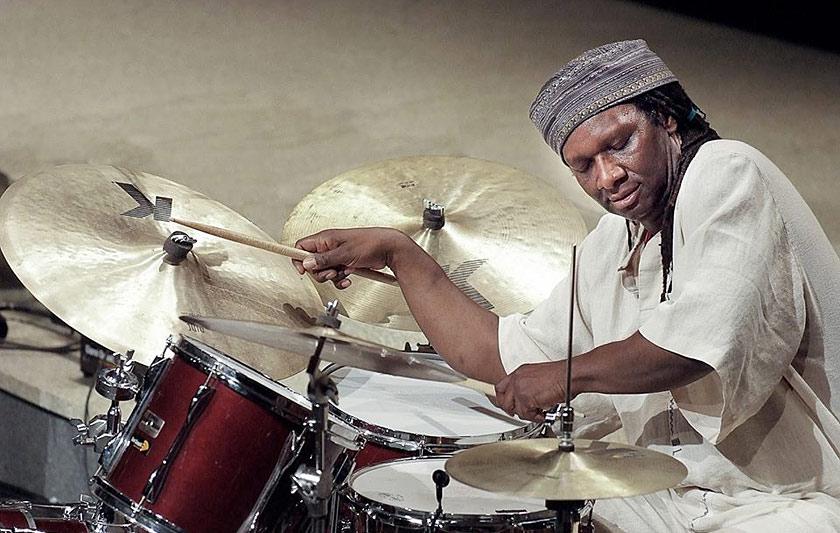
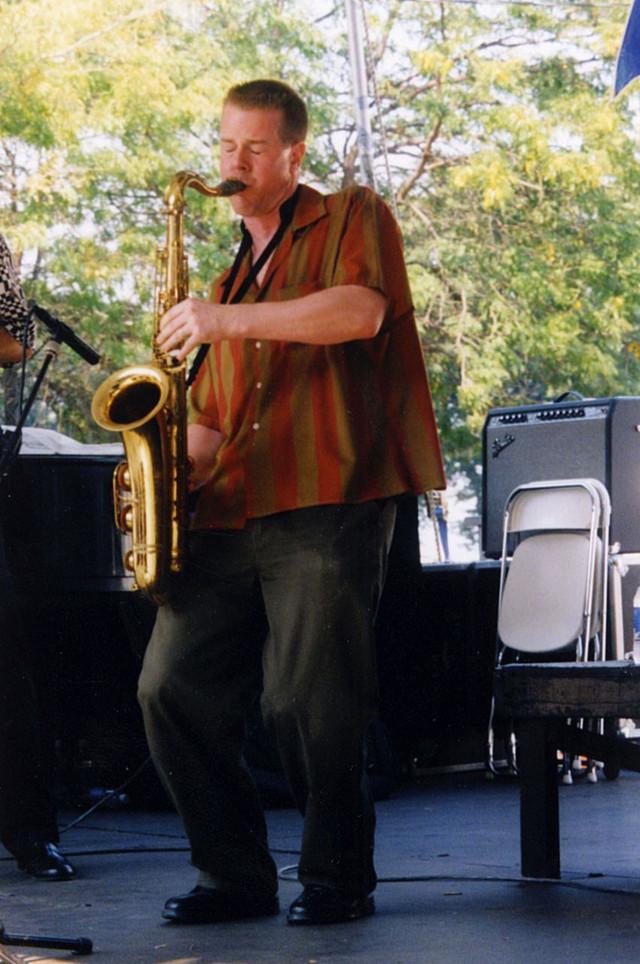
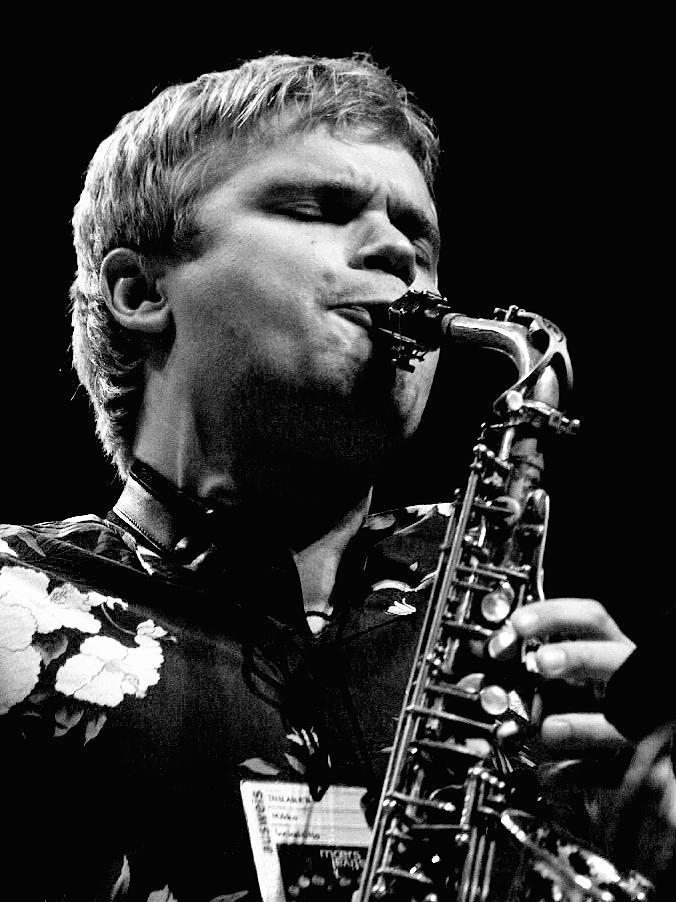
Sex Mob’s Spotify BioSex Mob began merely as a setting to feature the slide trumpet of leader Steven Bernstein, but has grown into a band with a much larger mission: to put the fun back in jazz music. After assembling the band (Bernstein, slide trumpet; Briggan Krauss, alto sax; Tony Scherr, bass; Kenny Wollesen, drums), Sex Mob began a residency at the Knitting Factory, playing predominantly originals written by Bernstein. During a special evening of film music, the crowd went crazy for the "James Bond Theme," and Bernstein realized that the audience was much more attuned to their playing when they recognized the tune. The band started to expand their songbook, but not to the same old tired jazz standards. Songs by Prince, the Grateful Dead, the Rolling Stones, and even the "Macarena" could find their way into a Sex Mob set, the only rule being that the song had to have such a strong melody that it could withstand serious deconstruction. Bernstein said in Jazz Asylum, "I realize that's what jazz musicians… have always done. That's how Lester Young got popular; it's how Charlie Parker got popular; it's how Miles Davis got popular; that's how John Coltrane got popular. They played the songs that everyone knew and because they could recognize the song, then that invited them into their style."
Word of mouth began to spread about their live shows, with Bernstein's on-stage antics and the band's amazing musicianship as the focal points. Bernstein is one of the more active bandleaders out there, constantly dictating arrangements to the other musicians, and letting them have it when they don't deliver what he wants. They never rehearse and they never have a set list, which keeps things constantly fresh. Their weekly gigs eventually led to them being voted New York City's best band in 2000.
Bernstein summed up the Sex Mob ethos as such: "Jazz used to be popular music. People would go out to clubs, listen to the music, go home, and get laid. Simple as that. We're bringing that spirit back."
Sex Mob's 1998 debut, Din of Inequity, was the only release of a short-lived agreement between Knitting Factory Records and Columbia Jazz. Augmented by two guitarists (Adam Levy and London McDaniels) and keyboard powerhouse John Medeski, Sex Mob romped through a program mostly of covers and a handful of Bernstein originals. 2000 saw the release of Solid Sender on Knitting Factory, as well as the self-released Theatre & Dance. Solid Sender is another mix of covers (Nirvana, Rolling Stones, ABBA) mixed with more Bernstein originals, some of which serve as short bridges between tunes. Solid Sender also uses a wider variety of guests, including DJ Logic and a string trio featuring Charles Burnham. Theatre & Dance is split between Duke Ellington compositions commissioned by choreographer Donald Byrd for a dance entitled In a Different Light: Duke Ellington, and Bernstein originals written for a revival of the 1926 Mae West play Sex.
2001 brought a change in label, from Knitting Factory to Ropeadope, and an album with a less kaleidoscopic selection of songs. Sex Mob Does Bond has the Mob (again with John Medeski) burning through the John Barry songbook, covering a host of tunes written for the first five James Bond movies. For 2003's Dime Grind Palace, Sex Mob focused on Bernstein originals with a myriad guests including trombonist Roswell Rudd. 2006's Sexotica on Thirsty Ear paid homage to the soundscapes of Martin Denny. In 2009, the live album with pianist John Medeski entitled Sex Mob Meets Medeski: Live in Willisau appeared. The group's next studio album, Cinema, Circus & Spaghetti: Sexmob Plays Fellini, appeared in early 2013. ~ Sean Westergaard, Rovi
Viberate is a music analytics platform built for A&Rs, artist managers, labels, booking agents, marketers, and artists.
It helps music professionals track artist growth, analyze audience data, monitor playlist activity, compare artists, follow song performance, and identify opportunities across the music market.
Public artist pages provide a free preview of selected artist data. Paid plans provide access to deeper analytics, historical data, charts, comparisons, playlist tools, exports, alerts, reports, and additional professional features.
Yes. Public Viberate artist pages provide selected artist analytics and music data for free.
Viberate also offers a 7-day free trial of the full platform. A credit card is required to start the trial. The trial includes access to the complete product so users can test deeper artist analytics, historical views, playlist insights, comparisons, charts, exports, alerts, and reporting features before choosing a paid plan.
Viberate provides artist analytics across streaming, playlists, social media, video, radio airplay, songs, and audience markets.
Users can analyze Spotify performance, Spotify and Apple Music playlists, YouTube activity, TikTok and Instagram growth, radio spins, song performance, audience locations, demographics, rankings, and overall artist momentum.
Artist profiles also connect to music charts, similar artists, and comparison tools, helping users benchmark performance and evaluate artists in context.
Viberate updates key artist and track data daily.
For followed artists and tracks, selected data is refreshed multiple times per day. This helps teams monitor playlist changes, streaming movement, audience growth, releases, and campaign performance with more current data.
Update frequency can vary depending on the metric and data source.
Yes. Viberate lets users compare up to five artists side by side across streaming, social media, audience, and engagement metrics.
Users can compare fanbase growth, audience demographics, locations, Spotify performance, social metrics, and other artist data over selected time periods.
Artist comparison can be used for A&R scouting, benchmarking, booking decisions, campaign planning, and evaluating artists with similar audiences or market positions.