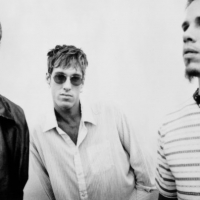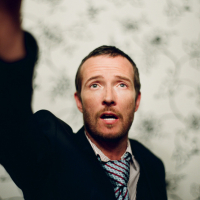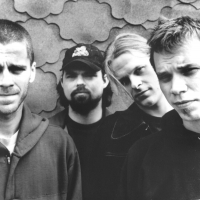
Satchel

Rock
Alternative Rock
 Viberate Rank: 303989
 Viberate Rank: 303989
 Monthly ListenersFollowers
 Subscribers
 Followers
 Followers
 FansTop Spotify Songs
| Track | 7-Day Streams | |
|---|---|---|
1 | 2.03K | |
2 | 391 | |
3 | 301 | |
4 | 280 | |
5 | 249 |
Top YouTube Videos| Video | 7-Day Views | |
|---|---|---|
1 | 1.07K | |
2 | 76 |
Monthly ListenersFeatured in Playlists| Playlist | Followers | |
|---|---|---|
1 |  Ninety9Lives: Official Playlist Ninety9Lives | 13.61K |
2 |  OneRepublic - Counting Stars (BEST HITS MUSIC) Ross | 11.09K |
3 | 90s Alternative Bsides jacobgivens | 4.96K |
4 | One Tree Hill (Complete Soundtrack) jibekf | 3.52K |
5 |  One Tree Hill Music estrafalarius | 3.43K |
Audience| City | Monthly Listeners | |
|---|---|---|
1 |  | 93 |
2 | | 89 |
3 |  | 83 |
4 |  | 82 |
5 | | 80 |
See full performance history, audience data, playlist activity, rankings, comparisons, and more in Viberate music analytics. Start with a free trial, then continue with a paid plan.
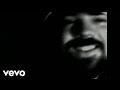
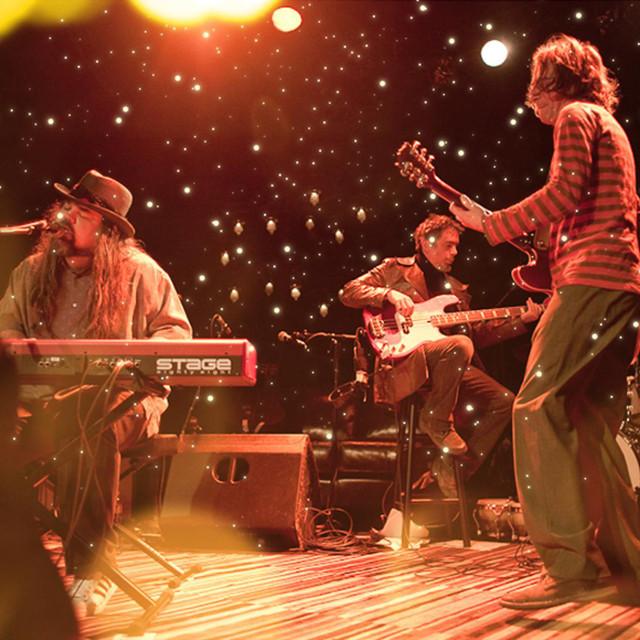
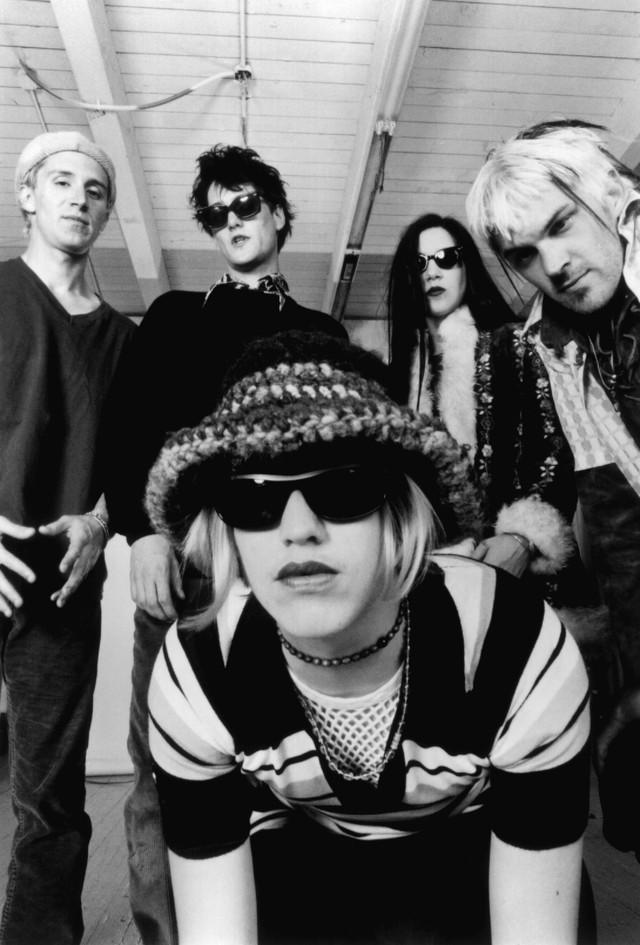
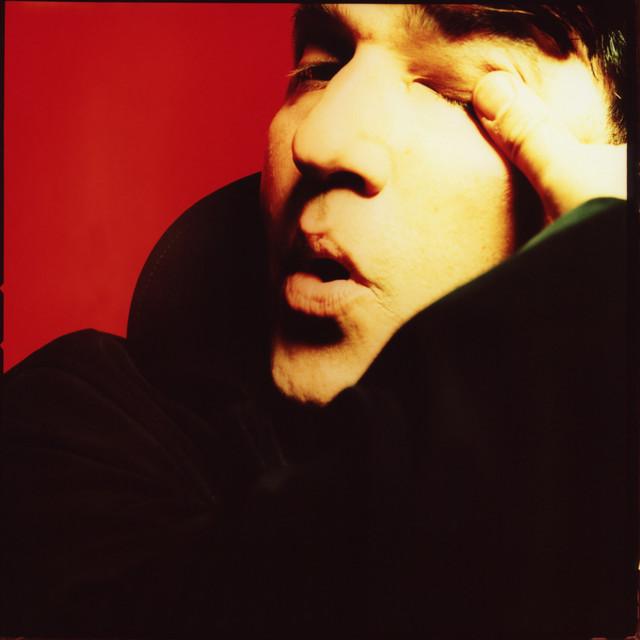
Satchel’s Spotify BioJust about every rock & roller nowadays lists '70s rock as a major influence, but few rockers are down with the misunderstood genius Prince. Unlike others, though, Satchel has no problem admitting their worship of the Purple One (vocalist Shawn Smith in particular, who explores his Prince fixation even more in his two-man side project Pigeonhed).
Satchel's roots lay in the band Brad, which was originally put together as a one-shot side project for Pearl Jam guitarist Stone Gossard. It was essentially an excuse for a group of friends to unwind and make music for the sheer fun of it. After releasing the album Shame in 1992, Gossard returned to Pearl Jam, while drummer Regan Hagar and singer Smith decided to form a permanent band. After hooking up with guitarist John Hoag and bassist Cory Kane, the newly named Satchel (originally called Bliss) secured a record deal with Epic Records. Their debut, EDC, was released in 1994, and was an unfortunately overlooked masterpiece. The band toured… relentlessly, and soon bassist Kane exited, with his replacement being Mike Berg. The album didn't sell in vast quantities as hoped, so the band regrouped and began writing their next one.
Stone Gossard was signed on to co-produce their next album, and the resulting The Family (released in 1996) was a surprisingly mellower affair than the debut. Satchel again embarked on a long tour, and again their album went unnoticed (even an opening slot on an Afghan Whigs tour didn't help). By tour's end, Gossard expressed interest in re-forming Brad with Smith and Hagar, and in contrast to Brad's debut, this time they would tour. The group accepted, and Hoag promptly quit Satchel. Brad's superb Interiors received glowing reviews upon its spring 1997 release. And although the album wasn't a smash, the group obtained a loyal fan base, who made the tour a sold-out success. Brad bassist Jeremy Toback was unable to tour (even though he played on the record), so Satchel bassist Berg stepped in for the duration. This left the future of Satchel up in the air, along with Hoag's exit and the fact that many fans felt Brad should become a permanent band, putting out albums and touring on a regular basis. ~ Greg Prato, Rovi
Viberate is a music analytics platform built for A&Rs, artist managers, labels, booking agents, marketers, and artists.
It helps music professionals track artist growth, analyze audience data, monitor playlist activity, compare artists, follow song performance, and identify opportunities across the music market.
Public artist pages provide a free preview of selected artist data. Paid plans provide access to deeper analytics, historical data, charts, comparisons, playlist tools, exports, alerts, reports, and additional professional features.
Yes. Public Viberate artist pages provide selected artist analytics and music data for free.
Viberate also offers a 7-day free trial of the full platform. A credit card is required to start the trial. The trial includes access to the complete product so users can test deeper artist analytics, historical views, playlist insights, comparisons, charts, exports, alerts, and reporting features before choosing a paid plan.
Viberate provides artist analytics across streaming, playlists, social media, video, radio airplay, songs, and audience markets.
Users can analyze Spotify performance, Spotify and Apple Music playlists, YouTube activity, TikTok and Instagram growth, radio spins, song performance, audience locations, demographics, rankings, and overall artist momentum.
Artist profiles also connect to music charts, similar artists, and comparison tools, helping users benchmark performance and evaluate artists in context.
Viberate updates key artist and track data daily.
For followed artists and tracks, selected data is refreshed multiple times per day. This helps teams monitor playlist changes, streaming movement, audience growth, releases, and campaign performance with more current data.
Update frequency can vary depending on the metric and data source.
Yes. Viberate lets users compare up to five artists side by side across streaming, social media, audience, and engagement metrics.
Users can compare fanbase growth, audience demographics, locations, Spotify performance, social metrics, and other artist data over selected time periods.
Artist comparison can be used for A&R scouting, benchmarking, booking decisions, campaign planning, and evaluating artists with similar audiences or market positions.