Dharma Bums

Country
Americana/Alt Country
Alternative Rock
 Viberate Rank: 549850
 Viberate Rank: 549850
 Monthly ListenersFollowers
 Subscribers
 Followers
 Followers
 FansTop Spotify Songs
| Track | 7-Day Streams | |
|---|---|---|
1 | 53 | |
2 | 37 | |
3 | 31 | |
4 | 30 | |
5 | 28 |
Top YouTube VideosMonthly ListenersFeatured in Playlists| Playlist | Followers | |
|---|---|---|
1 |  Grunge Underground Caio Pizzol | 2.96K |
2 | Portland Oregon Vibes by r/Portland Snuggleswithdemons | 1.05K |
Audience| City | Monthly Listeners | |
|---|---|---|
1 |  | 31 |
2 | | 12 |
3 | | 9 |
4 |  | 4 |
5 | | 4 |
See full performance history, audience data, playlist activity, rankings, comparisons, and more in Viberate music analytics. Start with a free trial, then continue with a paid plan.
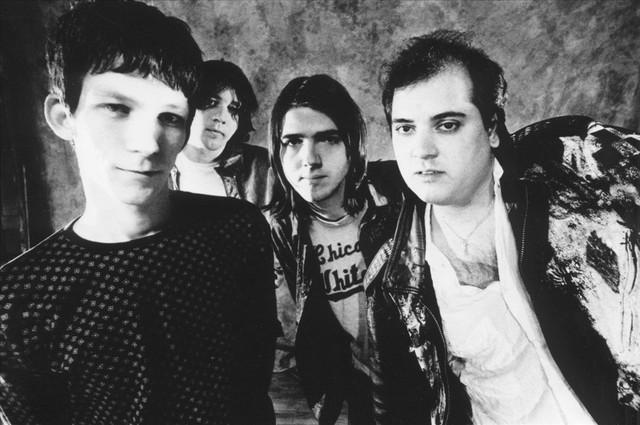
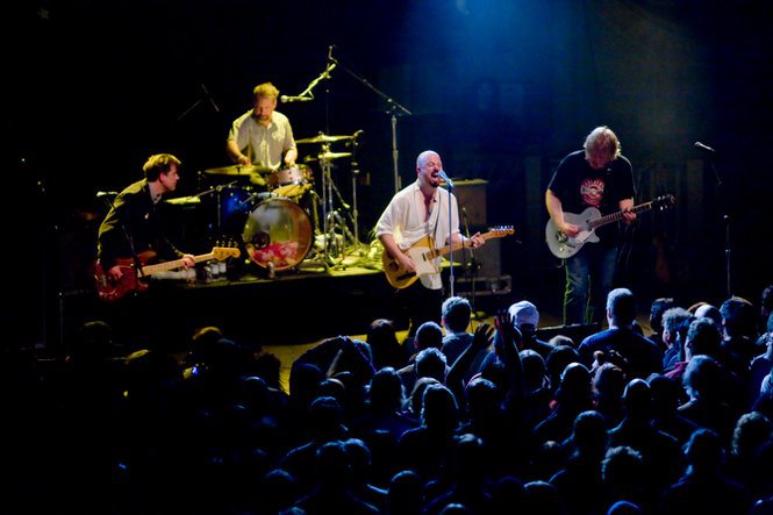
Dharma Bums’ Spotify BioThe unheralded college rock band the Dharma Bums garnered a passionate cult of fans, especially in their hometown of Portland, OR, but the group broke up just when the Pacific Northwest was attracting media attention for its underground music scene. The Dharma Bums were essentially a reunion of the Watchmen, a band formed by Jeremy Wilson (vocals), Eric Lovre (guitar), and Jim Talstra (bass) in high school. The Watchmen gained a following in Oregon by covering '50s rock and new wave hits from Elvis Costello, the Jam, and Joe Jackson alongside their own tunes. However, the Watchmen split up when Lovre and Talstra graduated from high school. In 1984, Wilson started another group, Perfect Circle. Unlike the Watchmen, Perfect Circle only performed original songs. A year later, Perfect Circle shared a bill with the Young Fresh Fellows at a club in Portland. Wilson was introduced to producer Conrad Uno and the Young Fresh Fellows' frontman Scott McCaughey; his band was given an offer to… record in Seattle, WA, but they splintered before that could happen. After he graduated in 1986, Wilson moved to Portland and asked Lovre and Talstra if they wanted to jam. The trio recorded four songs in one evening at a farmhouse. Originally calling themselves the Afterludes, they changed it to the Dharma Bums and added drummer John Moen from Perfect Circle. The group used money from sold-out gigs in Portland to visit Seattle and see if Uno was still interested. The Dharma Bums' studio sessions with Uno led to a contract with his label, PopLlama. In 1988, PopLlama released the Dharma Bums' first album, Haywire. "Boots of Leather" was a smash on college radio. The band signed a deal with Frontier in 1989. The group recorded two more albums and then disbanded in 1992. Wilson formed Pilot in 1993. ~ Michael Sutton, Rovi
Viberate is a music analytics platform built for A&Rs, artist managers, labels, booking agents, marketers, and artists.
It helps music professionals track artist growth, analyze audience data, monitor playlist activity, compare artists, follow song performance, and identify opportunities across the music market.
Public artist pages provide a free preview of selected artist data. Paid plans provide access to deeper analytics, historical data, charts, comparisons, playlist tools, exports, alerts, reports, and additional professional features.
Yes. Public Viberate artist pages provide selected artist analytics and music data for free.
Viberate also offers a 7-day free trial of the full platform. A credit card is required to start the trial. The trial includes access to the complete product so users can test deeper artist analytics, historical views, playlist insights, comparisons, charts, exports, alerts, and reporting features before choosing a paid plan.
Viberate provides artist analytics across streaming, playlists, social media, video, radio airplay, songs, and audience markets.
Users can analyze Spotify performance, Spotify and Apple Music playlists, YouTube activity, TikTok and Instagram growth, radio spins, song performance, audience locations, demographics, rankings, and overall artist momentum.
Artist profiles also connect to music charts, similar artists, and comparison tools, helping users benchmark performance and evaluate artists in context.
Viberate updates key artist and track data daily.
For followed artists and tracks, selected data is refreshed multiple times per day. This helps teams monitor playlist changes, streaming movement, audience growth, releases, and campaign performance with more current data.
Update frequency can vary depending on the metric and data source.
Yes. Viberate lets users compare up to five artists side by side across streaming, social media, audience, and engagement metrics.
Users can compare fanbase growth, audience demographics, locations, Spotify performance, social metrics, and other artist data over selected time periods.
Artist comparison can be used for A&R scouting, benchmarking, booking decisions, campaign planning, and evaluating artists with similar audiences or market positions.