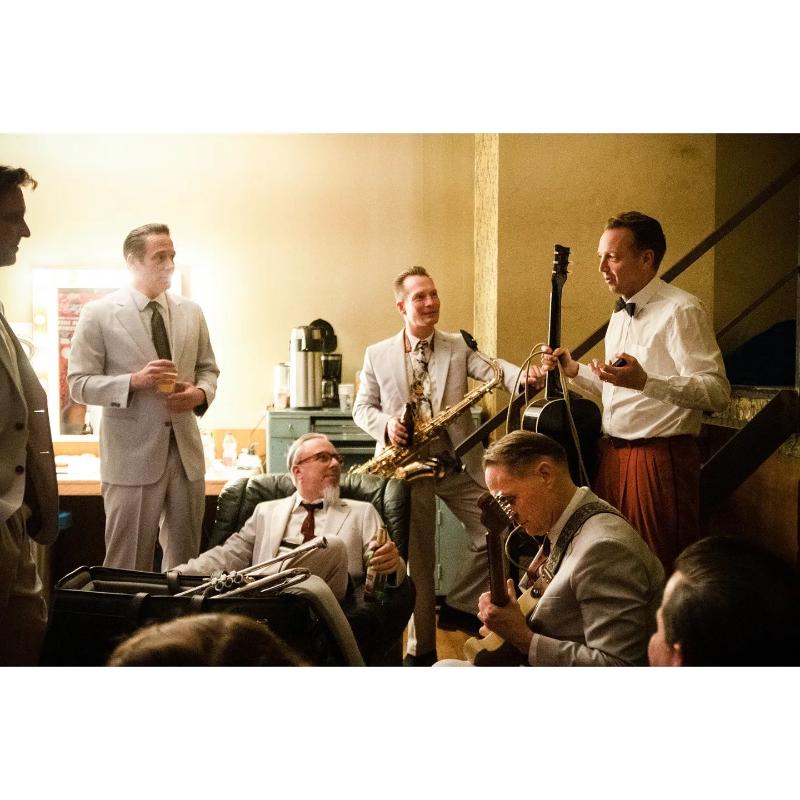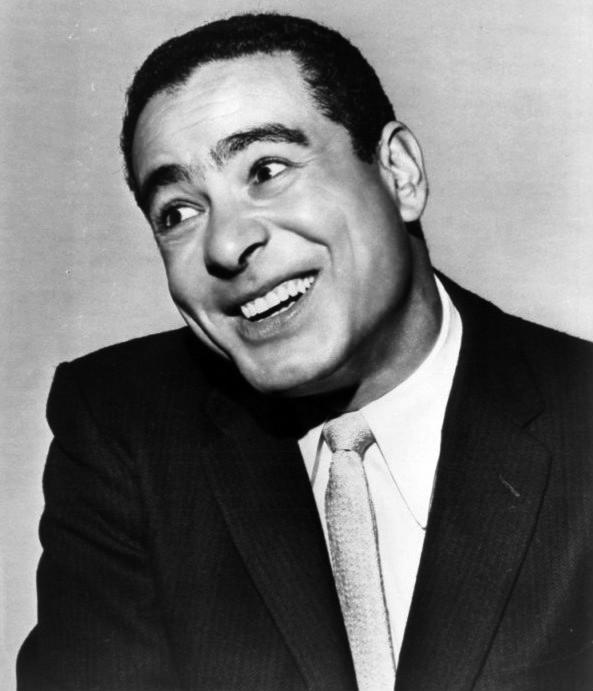
Sam Butera

Jazz
Jazz Fusion
Big band Jazz
 Viberate Rank: 194095
 Viberate Rank: 194095
 Monthly ListenersFollowers
 Subscribers
 Followers
 Followers
 FansTop Spotify Songs
| Track | 7-Day Streams | |
|---|---|---|
1 | 6.39K | |
2 | 4.42K | |
3 | 3.80K | |
4 | 3.80K | |
5 | 1.05K |
Top YouTube VideosMonthly ListenersFeatured in Playlists| Playlist | Followers | |
|---|---|---|
1 | Best Swing Dance Music 1211974887 | 36.98K |
2 |  Classic Las Vegas vibes Fallout_nv6 | 15.37K |
3 |  Ultra Lounge - The Ultra Collection! Todd Gums | 15.12K |
4 |  The Marvelous Mrs. Maisel - Series Soundtrack HMC | 10.42K |
5 |  Nueva ola Chilena y Retro Patricio Ramírez | 8.78K |
Audience| City | Monthly Listeners | |
|---|---|---|
1 |  | 1.64K |
2 | | 399 |
3 | | 368 |
4 | | 359 |
5 | | 328 |
See full performance history, audience data, playlist activity, rankings, comparisons, and more in Viberate music analytics. Start with a free trial, then continue with a paid plan.
Sam Butera’s Spotify BioSam Butera spent much of his career leading Louis Prima's band, but he continued in music long after Prima's death, and became familiar with sounds and styles far beyond Prima's brand of New Orleans jazz. A rock, R&B, and jazz legend, Butera is a towering crossover figure at the saxophone and as a bandleader.
He was born in New Orleans to Italian-American parents. His father Joseph owned a butcher shop in a Black section of the city, and played the guitar and the concertina in his spare time. At a wedding he was taken to at age seven, Sam Butera first saw and heard a saxophone, and, with his father's blessings, started taking lessons. He studied the clarinet at school but eventually returned to the sax, and at age 18 was featured in Look magazine (Life magazine's major competitor) as one of the top young jazzmen in the country. He got a gig with Ray MicKinley right out of high school, and also played with Tommy Dorsey and Joe Reichman's bands. His major influences in those years… included Charlie Ventura, Lester Young, Gene Ammons, Charlie Parker, and Big Jay McNeely, and he seemed to gravitate naturally toward swing and bebop. Ultimately, however, the biggest influence on his playing was Lee Allen, a member of Paul Gayten's band, with which he frequently played.
Butera formed his own group -- inspired by Gayten's band -- after returning to New Orleans, and they quickly began a four-year engagement at The 500 Club, which was owned by Louis Prima's brother. His sound reflected a vast range of influences, including modern jazz and R&B, and in 1951 Butera cut a pair of raunchy R&B instrumental sides that might have figured in the early history of white rock & roll if only they'd been released in time. He also had a featured spot in a Woody Herman concert that yielded both a chance for a new tour and a recording contract with RCA. The resulting sessions in the fall of 1953 gave Butera a chance to rock out in an alternately soft and sweet, or hard and playful manner. There weren't any significant sales, but RCA had him back in early 1954 for a series of sessions for its R&B-oriented Groove label (home of Piano Red, among others), and his version of "I Don't Want to Set the World on Fire" was a modest regional hit.
He played some R&B shows, including a celebrated tour as part of Alan Freed's first East Coast rock & roll showcase, and Butera's loud, wild sax sound won him an enthusiastic following. By 1955, however, he was back doing jazz with Ella Fitzgerald and Louie Bellson. He finally hooked up with Louis Prima and spent the next 20 years leading his band, the Witnesses. Butera's own record releases were cut short, with only a handful of his Groove sides (including a vocal performance "Giddyap Baby") ever issued at the time.
Butera worked for Prima for the next 20 years, and in the mid-'70s, he re-emerged as a performer in his own right. ~ Bruce Eder, Rovi
Viberate is a music analytics platform built for A&Rs, artist managers, labels, booking agents, marketers, and artists.
It helps music professionals track artist growth, analyze audience data, monitor playlist activity, compare artists, follow song performance, and identify opportunities across the music market.
Public artist pages provide a free preview of selected artist data. Paid plans provide access to deeper analytics, historical data, charts, comparisons, playlist tools, exports, alerts, reports, and additional professional features.
Yes. Public Viberate artist pages provide selected artist analytics and music data for free.
Viberate also offers a 7-day free trial of the full platform. A credit card is required to start the trial. The trial includes access to the complete product so users can test deeper artist analytics, historical views, playlist insights, comparisons, charts, exports, alerts, and reporting features before choosing a paid plan.
Viberate provides artist analytics across streaming, playlists, social media, video, radio airplay, songs, and audience markets.
Users can analyze Spotify performance, Spotify and Apple Music playlists, YouTube activity, TikTok and Instagram growth, radio spins, song performance, audience locations, demographics, rankings, and overall artist momentum.
Artist profiles also connect to music charts, similar artists, and comparison tools, helping users benchmark performance and evaluate artists in context.
Viberate updates key artist and track data daily.
For followed artists and tracks, selected data is refreshed multiple times per day. This helps teams monitor playlist changes, streaming movement, audience growth, releases, and campaign performance with more current data.
Update frequency can vary depending on the metric and data source.
Yes. Viberate lets users compare up to five artists side by side across streaming, social media, audience, and engagement metrics.
Users can compare fanbase growth, audience demographics, locations, Spotify performance, social metrics, and other artist data over selected time periods.
Artist comparison can be used for A&R scouting, benchmarking, booking decisions, campaign planning, and evaluating artists with similar audiences or market positions.