Sadistik Exekution

Metal
Death Metal
Black Metal
 Viberate Rank: 213104
 Viberate Rank: 213104
 Monthly ListenersFollowers
 Subscribers
 Followers
 Followers
 FansTop Spotify Songs
| Track | 7-Day Streams | |
|---|---|---|
1 | 978 | |
2 | 538 | |
3 | 341 | |
4 | 341 | |
5 | 331 |
Top YouTube VideosMonthly ListenersFeatured in Playlists| Playlist | Followers | |
|---|---|---|
1 | War Metal Bear Drudkh | 9.97K |
2 |  This is Thrash Metal swtgagrl2184 | 7.42K |
3 |  Early Black Metal: The '80s & '90s Loudwire | 4.32K |
4 | Blackened Death Metal Christian Gramonte | 4.29K |
5 |  BLACKMETAL DSBM badyushka🕷️🩸 | 3.61K |
Audience| City | Monthly Listeners | |
|---|---|---|
1 |  | 131 |
2 |  | 90 |
3 |  | 88 |
4 | | 86 |
5 |  | 81 |
See full performance history, audience data, playlist activity, rankings, comparisons, and more in Viberate music analytics. Start with a free trial, then continue with a paid plan.
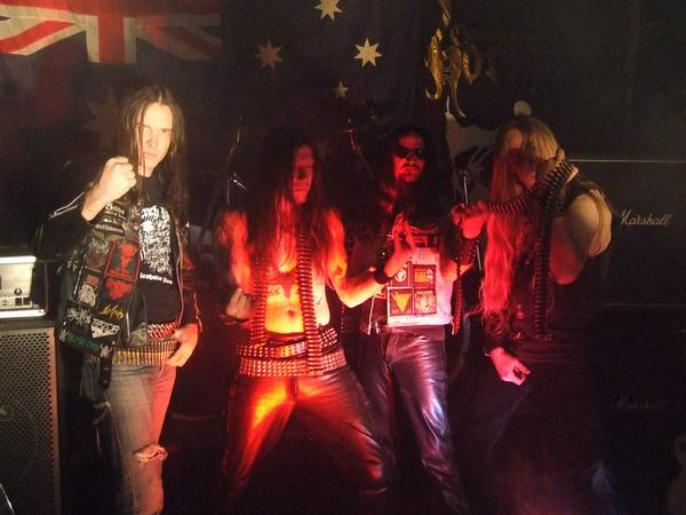
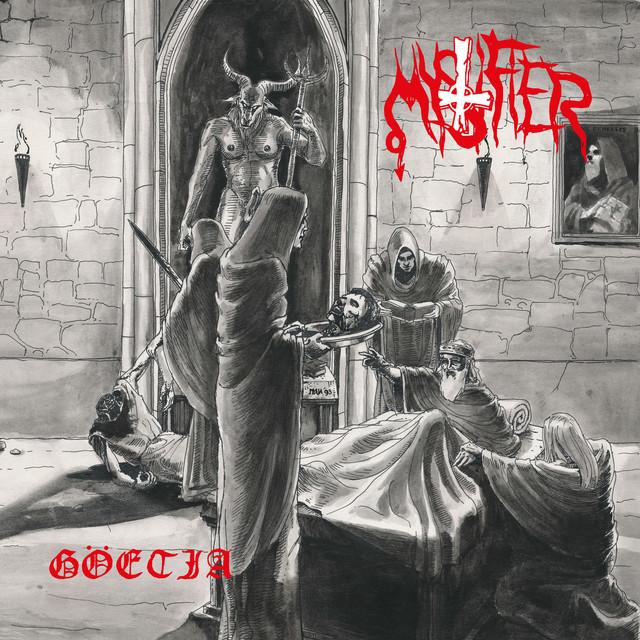
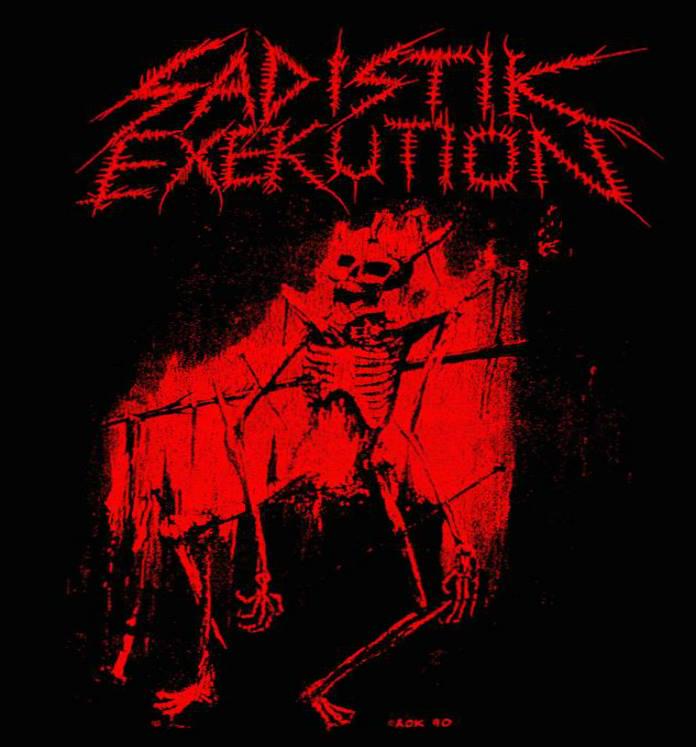
Sadistik Exekution’s Spotify BioLegitimate contenders to the claim of "world's most insane extreme metal band," Australia's Sadistik Exekution formed in the mid-'80s and remained steadfastly committed to playing the fastest, most violently over-the-top music they could throughout their career. In some ways old-school and in others nearly avant-garde, their style mixed together aspects of black, thrash, death, and doom metal, often played at incredibly fast speeds, while at others rendered at a nearly dirge-like crawl. The group was founded in 1986 by vocalist Rok and bassist Dave Slave, although it took several changes before the rest of the lineup settled in place. During the late '80s, Rok and Slave moving to Melbourne and back, as well as trying a couple of lineups with members (or ex-members) of another Aussie extreme metal band, Slaughterlord, but nothing stuck. By 1988, however, the band did manage to settle on a quartet lineup -- rounded out by guitarist Rev. Kriss Hades and drummer Sloth -- long enough to… record the material for their first LP. Still, it took two more years for the record, eventually entitled The Magus, to get released (the label was Vampire Records). Around this time, in 1991, Sadistik Exekution played their first live show, to a large crowd in their hometown of Sydney.
Work on their second release, eventually to be entitled We Are Death - Fukk You, finally began in 1993, this time with yet another new member on board, the Machanik (in place of drummer Sloth). This album was finally finished and released in 1994 on the French-based Osmose Productions label. In support of We Are Death, Sadistik Exekution embarked on their first European tour, with labelmates Absu and Impaled Nazarene also on hand; however, since the Machanik had fallen victim to mental instability issues, a new drummer again had to be found, this time in the form of Skitz (from the Aussie hardcore band Damaged). Upon returning, the band set about recording their next album,K.A.O.S., released in 1997 on Shock and later re-released in 2000 on Osmose. More instability followed, along with rumors that the band had finally broken up, but true to form, they came back from the dead yet again to release another album. Simply entitled Fukk, it came out in 2002, once again on Osmose, and showed that the band had no intentions of letting up or taming their act anytime soon. ~ William York, Rovi
Viberate is a music analytics platform built for A&Rs, artist managers, labels, booking agents, marketers, and artists.
It helps music professionals track artist growth, analyze audience data, monitor playlist activity, compare artists, follow song performance, and identify opportunities across the music market.
Public artist pages provide a free preview of selected artist data. Paid plans provide access to deeper analytics, historical data, charts, comparisons, playlist tools, exports, alerts, reports, and additional professional features.
Yes. Public Viberate artist pages provide selected artist analytics and music data for free.
Viberate also offers a 7-day free trial of the full platform. A credit card is required to start the trial. The trial includes access to the complete product so users can test deeper artist analytics, historical views, playlist insights, comparisons, charts, exports, alerts, and reporting features before choosing a paid plan.
Viberate provides artist analytics across streaming, playlists, social media, video, radio airplay, songs, and audience markets.
Users can analyze Spotify performance, Spotify and Apple Music playlists, YouTube activity, TikTok and Instagram growth, radio spins, song performance, audience locations, demographics, rankings, and overall artist momentum.
Artist profiles also connect to music charts, similar artists, and comparison tools, helping users benchmark performance and evaluate artists in context.
Viberate updates key artist and track data daily.
For followed artists and tracks, selected data is refreshed multiple times per day. This helps teams monitor playlist changes, streaming movement, audience growth, releases, and campaign performance with more current data.
Update frequency can vary depending on the metric and data source.
Yes. Viberate lets users compare up to five artists side by side across streaming, social media, audience, and engagement metrics.
Users can compare fanbase growth, audience demographics, locations, Spotify performance, social metrics, and other artist data over selected time periods.
Artist comparison can be used for A&R scouting, benchmarking, booking decisions, campaign planning, and evaluating artists with similar audiences or market positions.