Mystifier

Metal
Black Metal
Death Metal
 Viberate Rank: 123824
 Viberate Rank: 123824
 Monthly ListenersFollowers
 Subscribers
 Followers
 Followers
 FansTop Spotify Songs
| Track | 7-Day Streams | |
|---|---|---|
1 | 2.36K | |
2 | 1.15K | |
3 | 997 | |
4 | 753 | |
5 | 743 |
Top YouTube VideosMonthly ListenersFeatured in Playlists| Playlist | Followers | |
|---|---|---|
1 |  FENRIZ METAL Gylve | 32.35K |
2 |  Bestial Black // War Metal ink_161 | 5.34K |
3 |  RABM 🚩🏴 Afasaroth | 4.42K |
4 |  Early Black Metal: The '80s & '90s Loudwire | 4.32K |
5 | Blackened Death Metal Christian Gramonte | 4.28K |
Audience| City | Monthly Listeners | |
|---|---|---|
1 | | 615 |
2 |  | 265 |
3 |  | 252 |
4 |  | 206 |
5 | | 198 |
See full performance history, audience data, playlist activity, rankings, comparisons, and more in Viberate music analytics. Start with a free trial, then continue with a paid plan.
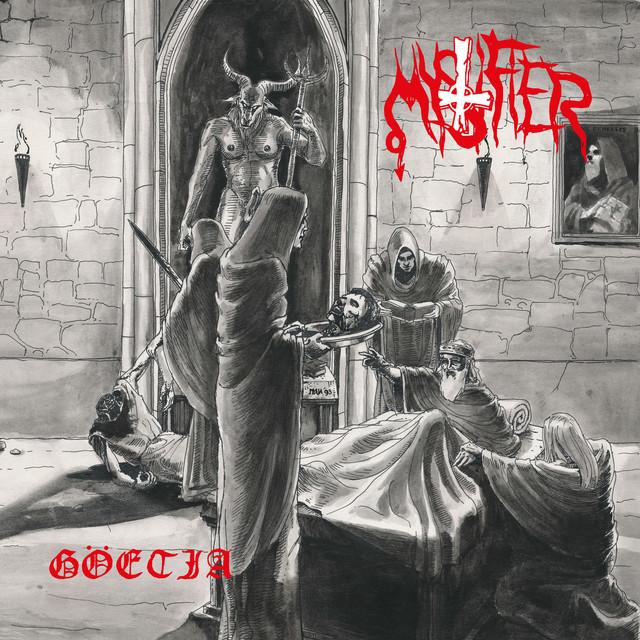
Mystifier’s Spotify BioFrom listening to Mystifier's corrosive, hyper-speed, symphonic-tinged black metal, you'd never guess that they hailed from the very tropical, richly historical seaside city of Salvador, Brazil. Yet, this is the truth and the whole truth (honest!) behind this long-running satanic metal group, which was first formed by guitarist Beelzebubth in 1989. Vocalist Naosouninguem, bassist Behemoth, and drummer Lucifuge rounded out the lineup that recorded the ten-song Tormenting the Holy Trinity demo, as well as the locally distributed "The Evil Ascension Returns" single before signing with France's Osmose Productions and releasing 1992's Wicca debut. Second album Goetia introduced new vocalist Asmodeeus, but further member defections and various financial difficulties sidetracked Mystifier for the next three years, so that they only returned to action with their career-defining (in most every way, actually) third LP, The World Is So Good That Who Made It Doesn't Live Here. New drummer Louis… Bear joined the group at this time, and good fortune finally smiled upon them when Greek black metal gods Rotting Christ picked them as the support act on their South American tour. To commemorate their tenth anniversary in 1999, the band's now legendary first demo was given an international release by Eldritch Music under the title The Fourth Evil Calling from the Abyss -- Tormenting the Holy Trinity, and 2001 saw the arrival of Mystifier's fourth official album (fifth overall), Profanus, released worldwide by Crash/Pavement Music two years later. ~ Eduardo Rivadavia, Rovi
Viberate is a music analytics platform built for A&Rs, artist managers, labels, booking agents, marketers, and artists.
It helps music professionals track artist growth, analyze audience data, monitor playlist activity, compare artists, follow song performance, and identify opportunities across the music market.
Public artist pages provide a free preview of selected artist data. Paid plans provide access to deeper analytics, historical data, charts, comparisons, playlist tools, exports, alerts, reports, and additional professional features.
Yes. Public Viberate artist pages provide selected artist analytics and music data for free.
Viberate also offers a 7-day free trial of the full platform. A credit card is required to start the trial. The trial includes access to the complete product so users can test deeper artist analytics, historical views, playlist insights, comparisons, charts, exports, alerts, and reporting features before choosing a paid plan.
Viberate provides artist analytics across streaming, playlists, social media, video, radio airplay, songs, and audience markets.
Users can analyze Spotify performance, Spotify and Apple Music playlists, YouTube activity, TikTok and Instagram growth, radio spins, song performance, audience locations, demographics, rankings, and overall artist momentum.
Artist profiles also connect to music charts, similar artists, and comparison tools, helping users benchmark performance and evaluate artists in context.
Viberate updates key artist and track data daily.
For followed artists and tracks, selected data is refreshed multiple times per day. This helps teams monitor playlist changes, streaming movement, audience growth, releases, and campaign performance with more current data.
Update frequency can vary depending on the metric and data source.
Yes. Viberate lets users compare up to five artists side by side across streaming, social media, audience, and engagement metrics.
Users can compare fanbase growth, audience demographics, locations, Spotify performance, social metrics, and other artist data over selected time periods.
Artist comparison can be used for A&R scouting, benchmarking, booking decisions, campaign planning, and evaluating artists with similar audiences or market positions.