Rusty Truck

Country
Americana/Alt Country
 Viberate Rank: 411497
 Viberate Rank: 411497
 Monthly ListenersFollowers
 Subscribers
 Followers
 Followers
 FansTop Spotify Songs
| Track | 7-Day Streams | |
|---|---|---|
1 | 647 | |
2 | 171 | |
3 | 23 | |
4 | 20 | |
5 | 20 |
Top YouTube VideosMonthly ListenersFeatured in Playlists| Playlist | Followers | |
|---|---|---|
1 |  True Blood Sountrack Seasons 1 – 7 Carolyn Hall | 32.16K |
2 |  Southern Rock & Country Rock Frater Kilpatrick | 7.91K |
3 |  Credence - Penelope Douglas Jackie | 4.24K |
4 | True Blood - Music from the Series Ciara Bryans | 3.03K |
5 |  Rhett Abbott Bill Pullman | 1.34K |
Audience| City | Monthly Listeners | |
|---|---|---|
1 |  | 32 |
2 |  | 30 |
3 | | 30 |
4 | | 27 |
5 | | 25 |
See full performance history, audience data, playlist activity, rankings, comparisons, and more in Viberate music analytics. Start with a free trial, then continue with a paid plan.
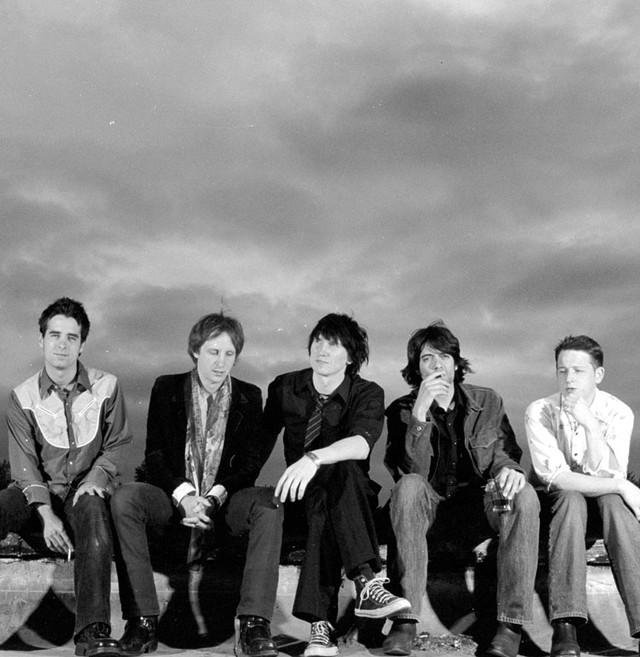
Rusty Truck’s Spotify BioRusty Truck is a happy accident. The project came together in 1998 when celebrity photographer Mark Seliger gave songwriting a try just for the sake of doing so. With his countless connections in entertainment, Seliger was encouraged by Jakob Dylan, Sheryl Crow, and the like to make the music thing real. Seliger, drummer Joey Peters (Grant Lee Buffalo), guitarist Michael Duff (Chalk FarM), lap steel player Andy Gibson (Hank Williams III), bassist Sheldon Gomberg, guitarist Ben Peeler, and vocalist Kristin Mooney solidified things with a deal with Coda Terra in 2001. The band's debut album, Broken Promises, which included appearances from Lenny Kravitz, Gillian Welch, and other rock & roll favorites, was issued in fall 2003. Luck's Changing Lanes followed in 2008. ~ MacKenzie Wilson, Rovi
Viberate is a music analytics platform built for A&Rs, artist managers, labels, booking agents, marketers, and artists.
It helps music professionals track artist growth, analyze audience data, monitor playlist activity, compare artists, follow song performance, and identify opportunities across the music market.
Public artist pages provide a free preview of selected artist data. Paid plans provide access to deeper analytics, historical data, charts, comparisons, playlist tools, exports, alerts, reports, and additional professional features.
Yes. Public Viberate artist pages provide selected artist analytics and music data for free.
Viberate also offers a 7-day free trial of the full platform. A credit card is required to start the trial. The trial includes access to the complete product so users can test deeper artist analytics, historical views, playlist insights, comparisons, charts, exports, alerts, and reporting features before choosing a paid plan.
Viberate provides artist analytics across streaming, playlists, social media, video, radio airplay, songs, and audience markets.
Users can analyze Spotify performance, Spotify and Apple Music playlists, YouTube activity, TikTok and Instagram growth, radio spins, song performance, audience locations, demographics, rankings, and overall artist momentum.
Artist profiles also connect to music charts, similar artists, and comparison tools, helping users benchmark performance and evaluate artists in context.
Viberate updates key artist and track data daily.
For followed artists and tracks, selected data is refreshed multiple times per day. This helps teams monitor playlist changes, streaming movement, audience growth, releases, and campaign performance with more current data.
Update frequency can vary depending on the metric and data source.
Yes. Viberate lets users compare up to five artists side by side across streaming, social media, audience, and engagement metrics.
Users can compare fanbase growth, audience demographics, locations, Spotify performance, social metrics, and other artist data over selected time periods.
Artist comparison can be used for A&R scouting, benchmarking, booking decisions, campaign planning, and evaluating artists with similar audiences or market positions.