Deadstring Brothers

Country
Americana/Alt Country
Blues Rock
 Viberate Rank: 379645
 Viberate Rank: 379645
 Monthly ListenersFollowers
 Subscribers
 Followers
 Followers
 FansTop Spotify Songs
| Track | 7-Day Streams | |
|---|---|---|
1 | 591 | |
2 | 79 | |
3 | 46 | |
4 | 30 | |
5 | 29 |
Top YouTube VideosMonthly ListenersFeatured in Playlists| Playlist | Followers | |
|---|---|---|
1 | katesos75 | 29.17K |
2 | Sons of Anarchy (Television Soundtrack) – Seasons 1-7 Adam Shake | 23.67K |
3 | Cameron Rose | 11.88K |
4 | Nashville Soundtrack - ALL Seasons! Jamie.carroll | 10.15K |
5 |  El Sótano de Radio 3 Groovyfamily | 9.84K |
Audience| City | Monthly Listeners | |
|---|---|---|
1 | | 26 |
2 | | 22 |
3 |  | 20 |
4 |  | 20 |
5 |  | 18 |
See full performance history, audience data, playlist activity, rankings, comparisons, and more in Viberate music analytics. Start with a free trial, then continue with a paid plan.
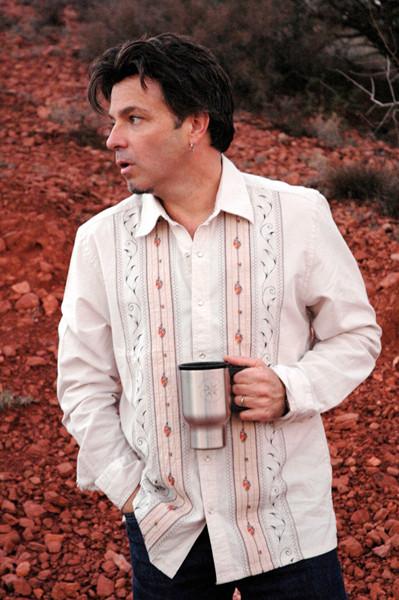
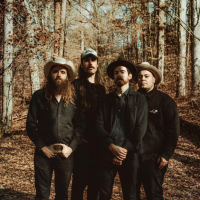
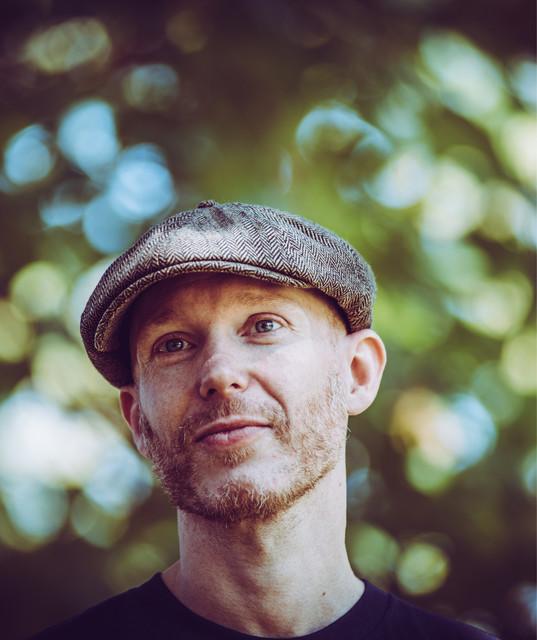
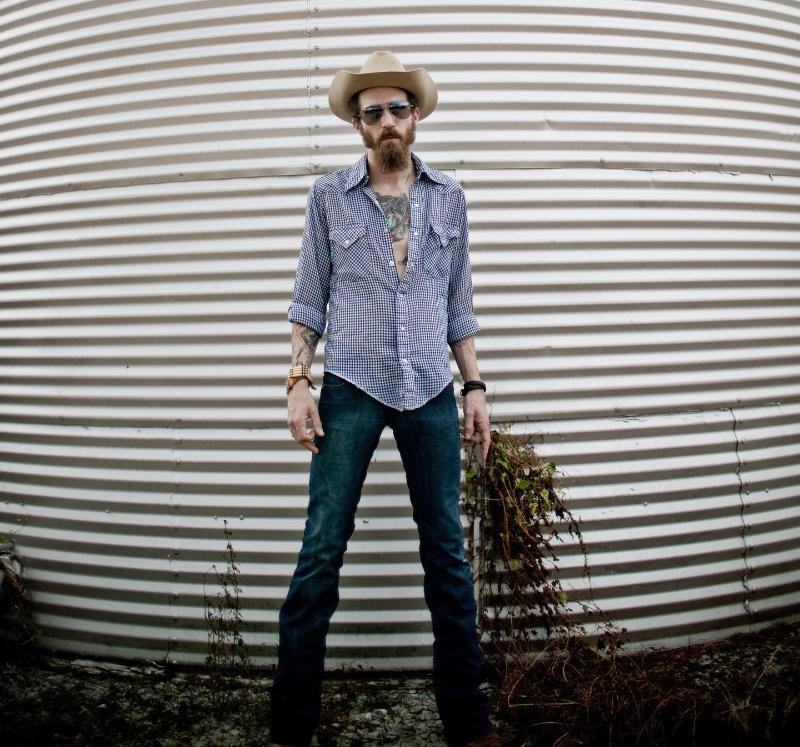
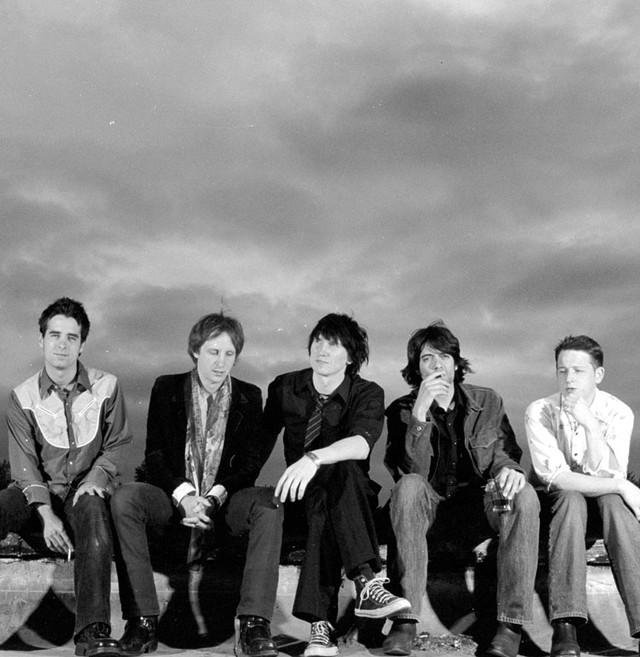
Deadstring Brothers’ Spotify BioBorn and bred in a city hardly known for its country music heritage, Detroit's Deadstring Brothers play alternative country-rock with no small amount of rock & roll swagger and a deep bluesy undertow that often suggests Exile on Main St.-era Rolling Stones more than Uncle Tupelo or their followers. The Deadstring Brothers formed in late 2001, when singer and songwriter Kurt Marschke, who had been playing shows as a solo acoustic act, began working up material with a handful of likeminded friends. The band wasted no time earning a reputation for its tough but soulful sound, and on September 9, 2003, the group released its self-titled debut through Detroit's Times Beach Records. On the disc, Marschke was joined by Peter Ballard (Dobro, pedal steel), Phil Durr (guitar), Eric Hoegemeyer (tambourine), Aric Karpinski (organ, piano), William King (percussion, drums), Philip Skarich (bass, guitar, percussion), and Ross Westerbur (strings, chamberlin), with background vocals by Skarich, Robert… Burrows, Masha Marjieh, Mimi Marjieh, and Loura Rock. Plenty of touring followed, with the Deadstring Brothers sharing stages with Cat Power, the Sadies, the Drive-By Truckers, and My Morning Jacket. In 2005, the band signed with Chicago's premier alt-country label, Bloodshot Records. Bloodshot licensed their second long-player, Starving Winter Report, to Evangeline Records for release in England, where it actually appeared prior to its domestic release, on October 3, 2005, the American issue coming on February 21, 2006. The musicians performing on the album were Marschke, Hoegemeyer, Skarich, Westerbur, Masha Marjieh, Rayse Biggs (trumpet), Edward Gooch (trombone), and David Mosher (fiddle). More touring followed, and the band's personnel continued to evolve, in particular with the infusion of several British members. As of the release of the Deadstring Brothers' third album, Silver Mountain, on October 9, 2007, the group was a sextet consisting of Marschke, Masha Marjieh, drummer E. Travis Harrett, and U.K. recruits Spencer Cullum on guitar, pedal steel, and lap steel, his older brother Jeff Cullum on bass, and Pat Kenneally on keyboards. São Paulo followed three years later in 2010. After relocating from Detroit to Nashville, the band released the just slightly more country-based Cannery Row in the spring of 213. ~ Mark Deming & William Ruhlmann, Rovi
Viberate is a music analytics platform built for A&Rs, artist managers, labels, booking agents, marketers, and artists.
It helps music professionals track artist growth, analyze audience data, monitor playlist activity, compare artists, follow song performance, and identify opportunities across the music market.
Public artist pages provide a free preview of selected artist data. Paid plans provide access to deeper analytics, historical data, charts, comparisons, playlist tools, exports, alerts, reports, and additional professional features.
Yes. Public Viberate artist pages provide selected artist analytics and music data for free.
Viberate also offers a 7-day free trial of the full platform. A credit card is required to start the trial. The trial includes access to the complete product so users can test deeper artist analytics, historical views, playlist insights, comparisons, charts, exports, alerts, and reporting features before choosing a paid plan.
Viberate provides artist analytics across streaming, playlists, social media, video, radio airplay, songs, and audience markets.
Users can analyze Spotify performance, Spotify and Apple Music playlists, YouTube activity, TikTok and Instagram growth, radio spins, song performance, audience locations, demographics, rankings, and overall artist momentum.
Artist profiles also connect to music charts, similar artists, and comparison tools, helping users benchmark performance and evaluate artists in context.
Viberate updates key artist and track data daily.
For followed artists and tracks, selected data is refreshed multiple times per day. This helps teams monitor playlist changes, streaming movement, audience growth, releases, and campaign performance with more current data.
Update frequency can vary depending on the metric and data source.
Yes. Viberate lets users compare up to five artists side by side across streaming, social media, audience, and engagement metrics.
Users can compare fanbase growth, audience demographics, locations, Spotify performance, social metrics, and other artist data over selected time periods.
Artist comparison can be used for A&R scouting, benchmarking, booking decisions, campaign planning, and evaluating artists with similar audiences or market positions.