Runrig

Rock
Folk Rock
Celtic
 Viberate Rank: 45307
 Viberate Rank: 45307
 Monthly ListenersFollowers
 Subscribers
 Followers
 Followers
 FansTop Spotify Songs
| Track | 7-Day Streams | |
|---|---|---|
1 | 38.95K | |
2 | 21.98K | |
3 | 9.96K | |
4 | 8.61K | |
5 | 7.64K |
Top YouTube Videos| Video | 7-Day Views | |
|---|---|---|
1 | 4.71K | |
2 | 2.99K | |
3 | 2.05K | |
4 | 1.05K | |
5 | 959 |
Monthly ListenersFeatured in Playlists| Playlist | Followers | |
|---|---|---|
1 |  Made in Scotland Spotify | 95.25K |
2 | Irish Music Dan Corcoran | 53.24K |
3 |  60s 70s 80s 90s 00s Greatest Hits and Songs Diestro Music | 51.95K |
4 | Gerson Berrio | 51.60K |
5 |  Pirate Music YourFavoriteYank | 37.90K |
Audience| City | Monthly Listeners | |
|---|---|---|
1 | | 23.84K |
2 | | 15.31K |
3 |  | 12.86K |
4 | | 7.37K |
5 | | 4.23K |
See full performance history, audience data, playlist activity, rankings, comparisons, and more in Viberate music analytics. Start with a free trial, then continue with a paid plan.
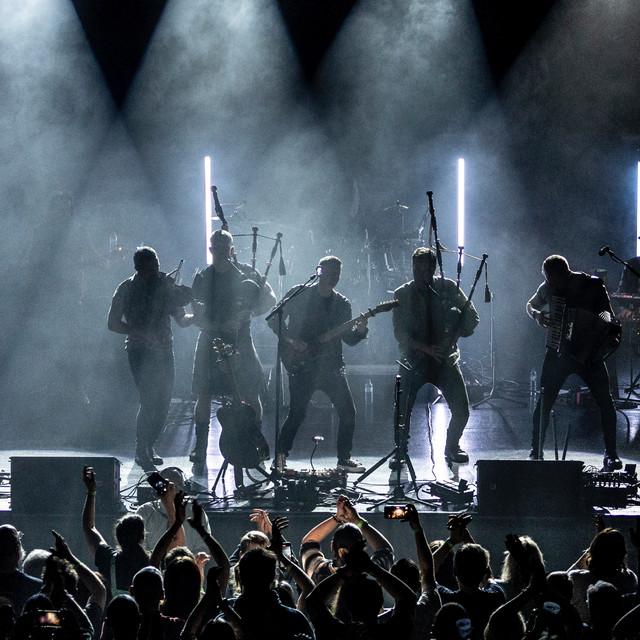
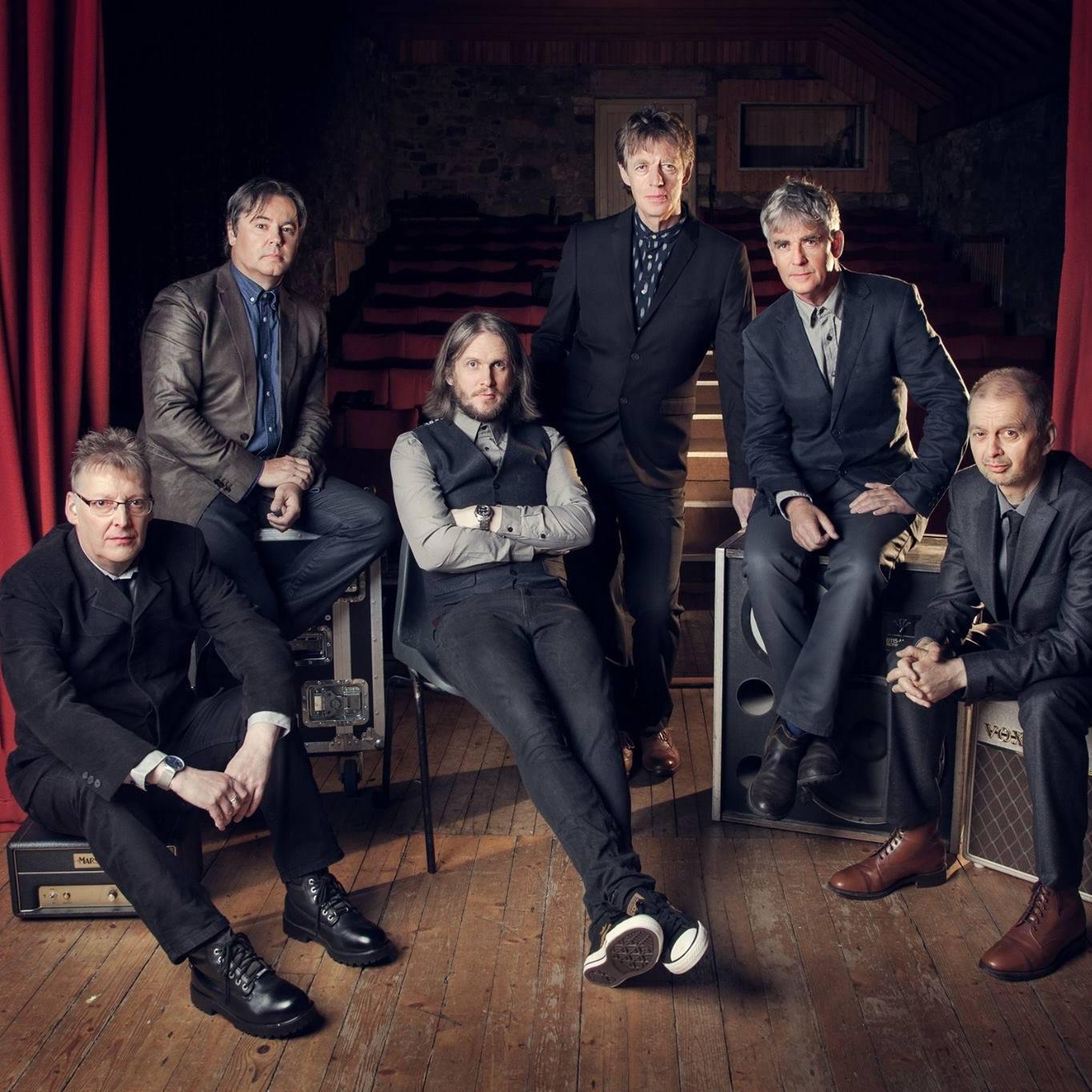
Runrig’s Spotify BioScotland's Runrig were formed in 1973 as a trio by Rory MacDonald, Calum MacDonald, and Blair Douglas, adding Donnie Munro the next year. Douglas quit and was replaced by Robert MacDonald, who died of cancer in 1986. The band went through a number of lineup changes before settling on the MacDonalds, Munro, Peter Wishart, Iain Bayne, and Malcolm Jones -- Canadian singer Bruce Guthro replaced Munro in 1999. Runrig play a version of traditional Scottish folk music with a more anthemic rock sound; they are known for pride in their heritage and their spirited energy. The band has released over a dozen studio albums, including Play Gaelic (1978), Heartland (1985), The Cutter and the Clan (1987), Amazing Things (1993), The Stamping Ground (2001), and Everything You See (2007). While extremely popular in Britain, they remain largely a cult band in America, with followers in the Celtic and folk arenas. ~ Steve Huey, Rovi
Viberate is a music analytics platform built for A&Rs, artist managers, labels, booking agents, marketers, and artists.
It helps music professionals track artist growth, analyze audience data, monitor playlist activity, compare artists, follow song performance, and identify opportunities across the music market.
Public artist pages provide a free preview of selected artist data. Paid plans provide access to deeper analytics, historical data, charts, comparisons, playlist tools, exports, alerts, reports, and additional professional features.
Yes. Public Viberate artist pages provide selected artist analytics and music data for free.
Viberate also offers a 7-day free trial of the full platform. A credit card is required to start the trial. The trial includes access to the complete product so users can test deeper artist analytics, historical views, playlist insights, comparisons, charts, exports, alerts, and reporting features before choosing a paid plan.
Viberate provides artist analytics across streaming, playlists, social media, video, radio airplay, songs, and audience markets.
Users can analyze Spotify performance, Spotify and Apple Music playlists, YouTube activity, TikTok and Instagram growth, radio spins, song performance, audience locations, demographics, rankings, and overall artist momentum.
Artist profiles also connect to music charts, similar artists, and comparison tools, helping users benchmark performance and evaluate artists in context.
Viberate updates key artist and track data daily.
For followed artists and tracks, selected data is refreshed multiple times per day. This helps teams monitor playlist changes, streaming movement, audience growth, releases, and campaign performance with more current data.
Update frequency can vary depending on the metric and data source.
Yes. Viberate lets users compare up to five artists side by side across streaming, social media, audience, and engagement metrics.
Users can compare fanbase growth, audience demographics, locations, Spotify performance, social metrics, and other artist data over selected time periods.
Artist comparison can be used for A&R scouting, benchmarking, booking decisions, campaign planning, and evaluating artists with similar audiences or market positions.