Rufus

R&B
Funk
Soul
Mainstream Pop
 Viberate Rank: 19275
 Viberate Rank: 19275
 Monthly ListenersFollowers
 Subscribers
 Followers
 Followers
 FansTop Spotify Songs
| Track | 7-Day Streams | |
|---|---|---|
1 | 1.34M | |
2 | 308.91K | |
3 | 82.13K | |
4 | 20.81K | |
5 | 9.79K |
Top YouTube Videos| Video | 7-Day Views | |
|---|---|---|
1 | 6 |
Monthly ListenersFeatured in Playlists| Playlist | Followers | |
|---|---|---|
1 |  Feelin' Good Spotify | 3.58M |
2 |  80s Hits Spotify | 3.51M |
3 |  Love Deluxe Spotify | 2.53M |
4 |  Funk & Soul Classics Spotify | 1.91M |
5 |  Sweet Soul Chillout Spotify | 1.42M |
Audience| City | Monthly Listeners | |
|---|---|---|
1 |  | 66.53K |
2 |  | 35.42K |
3 | | 32.10K |
4 | | 30.74K |
5 | | 27.41K |
See full performance history, audience data, playlist activity, rankings, comparisons, and more in Viberate music analytics. Start with a free trial, then continue with a paid plan.
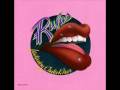
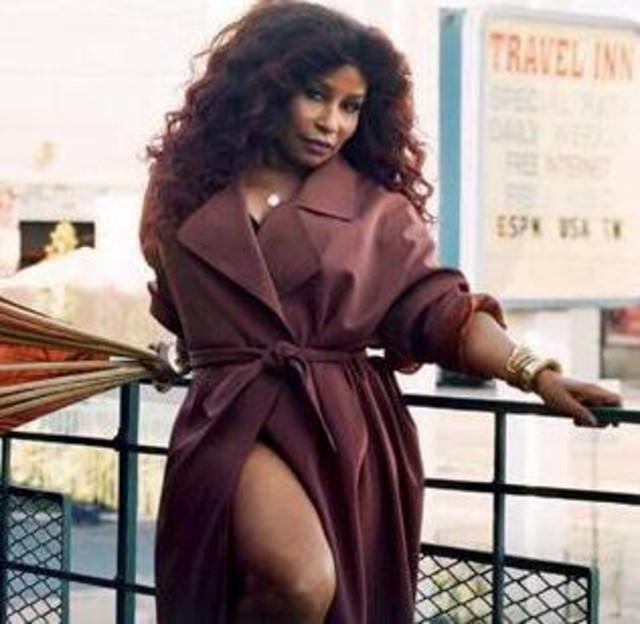
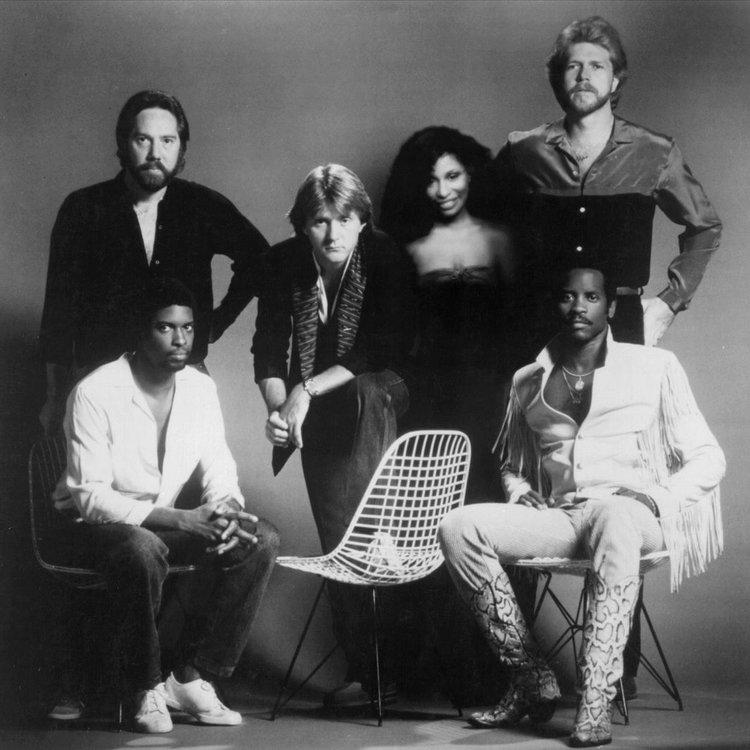
Rufus’ Spotify BioOne of the most commercially successful funk groups of the '70s, the multi-racial Rufus are today best remembered for launching the career of soul diva Chaka Khan, whose fiery lead vocals were easily the band's focal point. Powered by Khan -- who was eventually billed in addition to the group -- and an unerring sense of groove, Rufus scored an impressive string of hit singles on both the pop and R&B charts, which lasted through the '70s and up to Khan's official departure in 1983.
Rufus grew out of the Chicago band the American Breed, which had a hit in 1968 with the oldies-radio staple "Bend Me, Shape Me." Guitarist Al Ciner, bassist Chuck Colbert, drummer Lee Graziano, and keyboardist Kevin Murphy had all played in the band at one time or another before forming a new group, originally called Smoke, with vocalists Paulette McWilliams and James Stella. Stella was quickly replaced by lead vocalist/songwriter/keyboardist Ron Stockert, and Colbert by bassist Dennis Belfield; the group… changed its name to Ask Rufus, which was later shortened to Rufus. In 1972, drummer Andre Fischer -- another former American Breed member -- replaced Graziano, and a young female vocalist named Chaka Khan (born Yvette Marie Stevens) replaced McWilliams. Although Khan's dynamic stage presence helped this version of the band take off, Stockert was still the guiding force when they signed with ABC in 1973, and he lent a more pop/rock flavor to the group's self-titled debut, released later that year.
Although the album sold poorly, Rufus gained a fan in Stevie Wonder thanks to their cover of his "Maybe Your Baby." Wonder gave them a new composition, the slowly grinding "Tell Me Something Good," that he'd written specifically with Khan's vocal style in mind. Pulled as a single from their second album, 1974's Rags to Rufus, "Tell Me Something Good" was a Top Five smash that turned Khan into a star; she also co-wrote the R&B chart-topping follow-up, "You Got the Love." Clearly, the band had found its niche, and a number of personnel shifts ensued: Stockert left, Belfield was replaced by Bobby Watson, and Ciner was replaced by Tony Maiden. Their funk sensibility thus bolstered, Rufus returned with a strong new album before year's end, Rufusized, which spawned two more hits in "Once You Get Started" and "Please Pardon Me (You Remind Me of a Friend)." The billing on 1975's Rufus Featuring Chaka Khan made the singer's star power official, and produced one of the group's biggest hits in the R&B number one "Sweet Thing." Dave "Hawk" Wolinski joined as a second keyboardist for 1977's mellower Ask Rufus (the hit was "At Midnight (My Love Will Lift You Up)"), and William "Moon" Calhoun replaced drummer Fischer on 1978's Street Player.
Following the release of Street Player, Khan made what was perhaps an inevitable move into solo recording with the release of her debut, Chaka; despite scoring a significant hit with "I'm Every Woman," she remained an official member of Rufus. Still, the band's next album, Numbers, was recorded without her, and upon its release in 1979, it stiffed. Khan was back on board later that year for Masterjam, produced by Quincy Jones, and the band (featuring new drummer John "J.R." Robinson) was back on top of the R&B charts with "Do You Love What You Feel." However, Khan split again for 1980's Party 'Til You're Broke, and although she returned for 1981's Camouflage, Rufus' chart fortunes were slipping away. The George Duke-produced, Khan-less Seal in Red bombed, but Khan returned for one last go-round on 1983's Stompin' at the Savoy, a double-record set featuring three sides of live material and one side of new studio recordings. One of those new songs, "Ain't Nobody," became Rufus' final number one R&B hit, and also won a Grammy, allowing the group to end its career on a high note. Her contract up, Khan finally left for good afterwards and became a superstar thanks to a cover of Prince's "I Feel for You." ~ Steve Huey
Viberate is a music analytics platform built for A&Rs, artist managers, labels, booking agents, marketers, and artists.
It helps music professionals track artist growth, analyze audience data, monitor playlist activity, compare artists, follow song performance, and identify opportunities across the music market.
Public artist pages provide a free preview of selected artist data. Paid plans provide access to deeper analytics, historical data, charts, comparisons, playlist tools, exports, alerts, reports, and additional professional features.
Yes. Public Viberate artist pages provide selected artist analytics and music data for free.
Viberate also offers a 7-day free trial of the full platform. A credit card is required to start the trial. The trial includes access to the complete product so users can test deeper artist analytics, historical views, playlist insights, comparisons, charts, exports, alerts, and reporting features before choosing a paid plan.
Viberate provides artist analytics across streaming, playlists, social media, video, radio airplay, songs, and audience markets.
Users can analyze Spotify performance, Spotify and Apple Music playlists, YouTube activity, TikTok and Instagram growth, radio spins, song performance, audience locations, demographics, rankings, and overall artist momentum.
Artist profiles also connect to music charts, similar artists, and comparison tools, helping users benchmark performance and evaluate artists in context.
Viberate updates key artist and track data daily.
For followed artists and tracks, selected data is refreshed multiple times per day. This helps teams monitor playlist changes, streaming movement, audience growth, releases, and campaign performance with more current data.
Update frequency can vary depending on the metric and data source.
Yes. Viberate lets users compare up to five artists side by side across streaming, social media, audience, and engagement metrics.
Users can compare fanbase growth, audience demographics, locations, Spotify performance, social metrics, and other artist data over selected time periods.
Artist comparison can be used for A&R scouting, benchmarking, booking decisions, campaign planning, and evaluating artists with similar audiences or market positions.