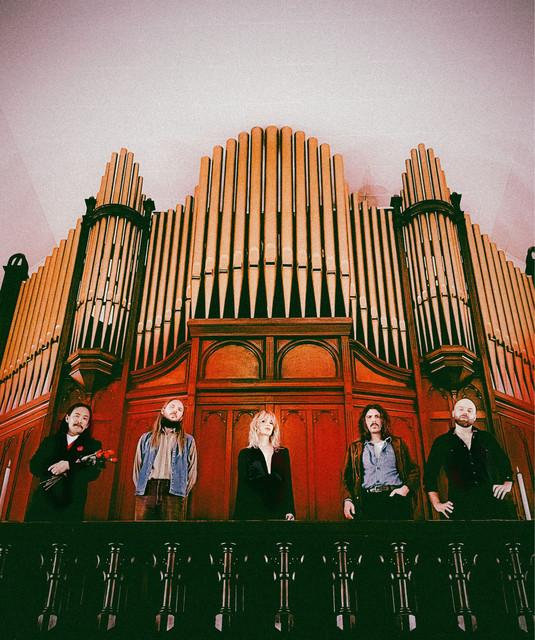
Ruby the Hatchet

Rock
Psychedelic Rock
Stoner Rock
 Viberate Rank: 140877
 Viberate Rank: 140877
 Monthly ListenersFollowers
 Subscribers
 Followers
 Followers
 FansTop Spotify Songs
| Track | 7-Day Streams | |
|---|---|---|
1 | 3.45K | |
2 | 2.55K | |
3 | 1.01K | |
4 | 704 | |
5 | 573 |
Top YouTube VideosMonthly ListenersFeatured in Playlists| Playlist | Followers | |
|---|---|---|
1 |  Stoner Rock & Psychedelic Space Rock StonerRock.Space | 36.07K |
2 |  Stoner Rock A-Z boogievan | 24.16K |
3 |  Psychedelic / Stoner / Desert Rock 🍄 Jaimy | 20.24K |
4 | Doom and Stoner Metal Dakota Hocq | 17.74K |
5 |  ANIMAL KINGDOM Season 1, 2, 3, 4, 5, 6 - Greatest Mix Jessy Singh | 12.37K |
Audience| City | Monthly Listeners | |
|---|---|---|
1 | | 230 |
2 | | 217 |
3 | | 183 |
4 | | 179 |
5 | | 159 |
See full performance history, audience data, playlist activity, rankings, comparisons, and more in Viberate music analytics. Start with a free trial, then continue with a paid plan.
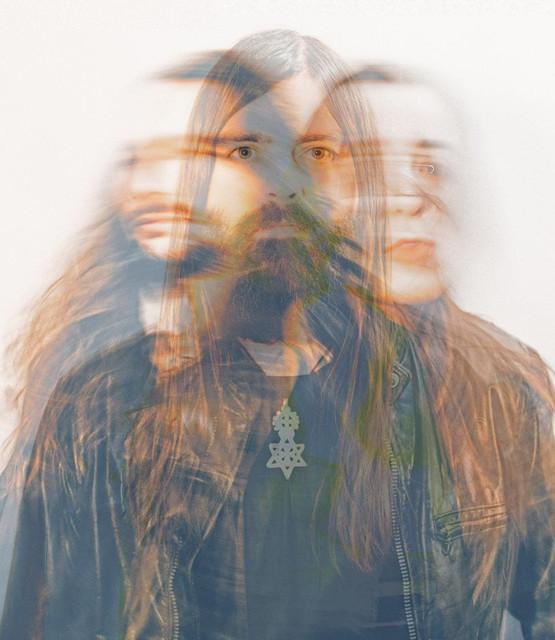
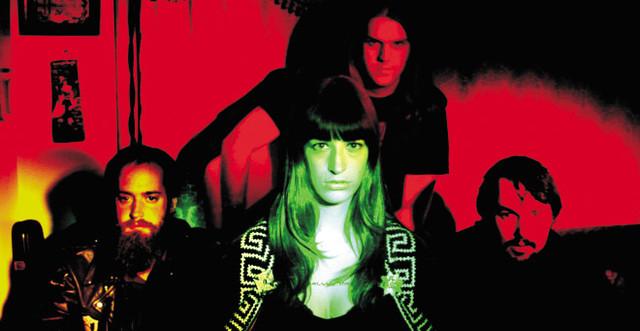
Ruby the Hatchet’s Spotify BioRuby the Hatchet brings together doomy, evil hard rock with occult-flavored psychedelia for a witchy brew of dazzled and ominous cosmic rock sounds. The band's talent for sinister riffs, heavy drums, and organ-flecked rockers grew more refined on albums like 2017's Planetary Space Child or their epic 2022 album, Fear Is a Cruel Master.
Ruby the Hatchet formed after a series of basement practices in New Jersey circa 2011 before relocating to Philadelphia. The band featured guitarist Johnny Scarps, drummer Owen Stewart, bassist Mike Parise, and keyboard player Sean Hur, and was trademarked by the howling, dynamic vocals of Jillian Taylor. In addition to constant gigging, the band had a prolific recording schedule as well, releasing a self-titled EP in 2011 and their debut full-length, Ouroboros, the next year. In 2014, they released several versions of a single entitled "The Eliminator," including a limited-edition release packaged in a wooden box filled with random ephemera. All of this… made way for the band's 2015 effort Valley of the Snake, a deeper dive into the band's increasingly gritty stoner rock-influenced sound. Two years later, they delivered third album Planetary Space Child on Teepee Records. Their fourth long-player, Fear Is a Cruel Master, materialized in 2022 and found the band even more energized and powerful, with production values that were crisper and arrangements that were more complex than anything they'd attempted before. ~ Fred Thomas, Rovi
Viberate is a music analytics platform built for A&Rs, artist managers, labels, booking agents, marketers, and artists.
It helps music professionals track artist growth, analyze audience data, monitor playlist activity, compare artists, follow song performance, and identify opportunities across the music market.
Public artist pages provide a free preview of selected artist data. Paid plans provide access to deeper analytics, historical data, charts, comparisons, playlist tools, exports, alerts, reports, and additional professional features.
Yes. Public Viberate artist pages provide selected artist analytics and music data for free.
Viberate also offers a 7-day free trial of the full platform. A credit card is required to start the trial. The trial includes access to the complete product so users can test deeper artist analytics, historical views, playlist insights, comparisons, charts, exports, alerts, and reporting features before choosing a paid plan.
Viberate provides artist analytics across streaming, playlists, social media, video, radio airplay, songs, and audience markets.
Users can analyze Spotify performance, Spotify and Apple Music playlists, YouTube activity, TikTok and Instagram growth, radio spins, song performance, audience locations, demographics, rankings, and overall artist momentum.
Artist profiles also connect to music charts, similar artists, and comparison tools, helping users benchmark performance and evaluate artists in context.
Viberate updates key artist and track data daily.
For followed artists and tracks, selected data is refreshed multiple times per day. This helps teams monitor playlist changes, streaming movement, audience growth, releases, and campaign performance with more current data.
Update frequency can vary depending on the metric and data source.
Yes. Viberate lets users compare up to five artists side by side across streaming, social media, audience, and engagement metrics.
Users can compare fanbase growth, audience demographics, locations, Spotify performance, social metrics, and other artist data over selected time periods.
Artist comparison can be used for A&R scouting, benchmarking, booking decisions, campaign planning, and evaluating artists with similar audiences or market positions.