Black Moth

Metal
Doom/Sludge Metal
Stoner Rock
 Viberate Rank: 215860
 Viberate Rank: 215860
 Monthly ListenersFollowers
 Subscribers
 Followers
 Followers
 FansTop Spotify Songs
| Track | 7-Day Streams | |
|---|---|---|
1 | 1.20K | |
2 | 379 | |
3 | 208 | |
4 | 202 | |
5 | 193 |
Top YouTube Videos| Video | 7-Day Views | |
|---|---|---|
1 | 68 | |
2 | 25 | |
3 | 24 |
Monthly ListenersFeatured in Playlists| Playlist | Followers | |
|---|---|---|
1 |  Stoner Rock A-Z boogievan | 24.16K |
2 |  WonkoFM WonkoTheSane | 21.06K |
3 |  Expansive Doom F I L T H Y W I T C H | 9.71K |
4 |  Rock -70's, 80's, 90's and 00's Lucas Madeira | 8.47K |
5 |  lo-fi / garage rock / post-punk / punk / shoegaze / indie rock / noise rock Timo Tiivas | 6.89K |
Audience| City | Monthly Listeners | |
|---|---|---|
1 | | 82 |
2 | | 49 |
3 |  | 47 |
4 |  | 46 |
5 |  | 45 |
See full performance history, audience data, playlist activity, rankings, comparisons, and more in Viberate music analytics. Start with a free trial, then continue with a paid plan.
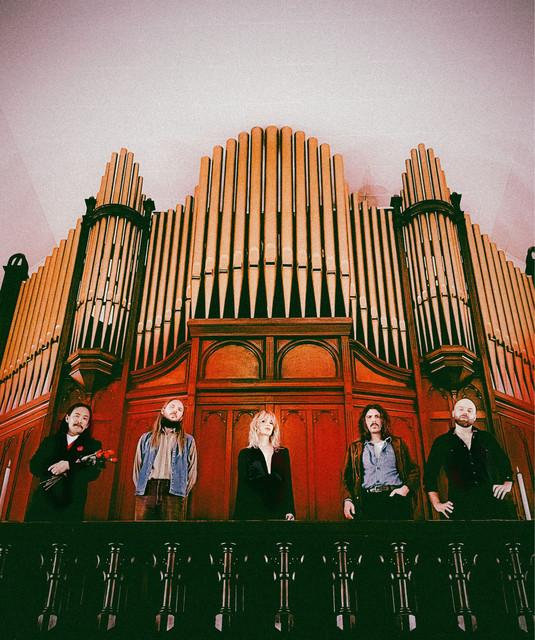
Black Moth’s Spotify BioHailing from Leeds, U.K., Black Moth first came together in 2010 after the demise of garage rock outfit the Bacchae. Comprising Harriet Bevan (vocals), Jim Swainston (guitar), Dave Vachon (bass), and Dom McCready (drums), the group embraced a heavier, sludgier sound inspired by the likes of Black Sabbath, Melvins, and Mötorhead. The band's debut album, The Killing Jar, came in 2012 on New Heavy Sounds and was produced by Grinderman and Bad Seeds drummer Jim Sclavunos. U.K. dates with Turbowolf that year also helped bring the band to a bigger audience. The group delivered their sophomore album, Condemned to Hope, in 2014. Produced again by Sclavunos, the album also featured artwork by celebrated artist Roger Dean, whose work had become synonymous with releases by the likes of Yes, Budgie, and numerous '70s prog rock album sleeves. Tour dates followed to support the album in the U.K. and Europe over the next year, and the band supported the likes of L7, Amplifier, and Sisters of Mercy.… Black Moth returned to the studio in 2017 to record their third album with the addition of guitarist Federica Gialanze. The resulting Anatomical Venus was released in early 2018 on Candlelight Records. ~ Rich Wilson, Rovi
Viberate is a music analytics platform built for A&Rs, artist managers, labels, booking agents, marketers, and artists.
It helps music professionals track artist growth, analyze audience data, monitor playlist activity, compare artists, follow song performance, and identify opportunities across the music market.
Public artist pages provide a free preview of selected artist data. Paid plans provide access to deeper analytics, historical data, charts, comparisons, playlist tools, exports, alerts, reports, and additional professional features.
Yes. Public Viberate artist pages provide selected artist analytics and music data for free.
Viberate also offers a 7-day free trial of the full platform. A credit card is required to start the trial. The trial includes access to the complete product so users can test deeper artist analytics, historical views, playlist insights, comparisons, charts, exports, alerts, and reporting features before choosing a paid plan.
Viberate provides artist analytics across streaming, playlists, social media, video, radio airplay, songs, and audience markets.
Users can analyze Spotify performance, Spotify and Apple Music playlists, YouTube activity, TikTok and Instagram growth, radio spins, song performance, audience locations, demographics, rankings, and overall artist momentum.
Artist profiles also connect to music charts, similar artists, and comparison tools, helping users benchmark performance and evaluate artists in context.
Viberate updates key artist and track data daily.
For followed artists and tracks, selected data is refreshed multiple times per day. This helps teams monitor playlist changes, streaming movement, audience growth, releases, and campaign performance with more current data.
Update frequency can vary depending on the metric and data source.
Yes. Viberate lets users compare up to five artists side by side across streaming, social media, audience, and engagement metrics.
Users can compare fanbase growth, audience demographics, locations, Spotify performance, social metrics, and other artist data over selected time periods.
Artist comparison can be used for A&R scouting, benchmarking, booking decisions, campaign planning, and evaluating artists with similar audiences or market positions.