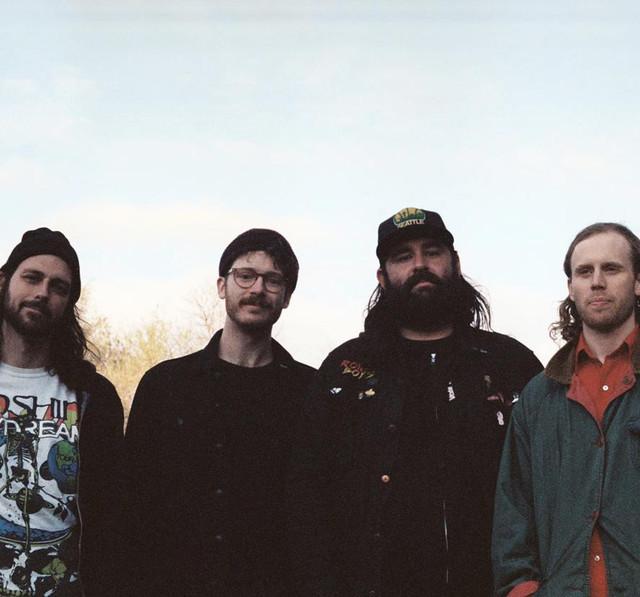
Rozwell Kid

Rock
Indie Rock
Punk Rock
 Viberate Rank: 160953
 Viberate Rank: 160953
 Monthly ListenersFollowers
 Subscribers
 Followers
 Followers
 FansTop Spotify Songs
| Track | 7-Day Streams | |
|---|---|---|
1 | 8.35K | |
2 | 2.12K | |
3 | 1.57K | |
4 | 1.41K | |
5 | 1.02K |
Top YouTube VideosMonthly ListenersFeatured in Playlists| Playlist | Followers | |
|---|---|---|
1 | blink-182, Sum 41 and More... Sum dude | 21.20K |
2 |  The Sound of Bubblegrunge The Sounds of Spotify | 10.52K |
3 |  Garage Punk Jorge Ramos | 5.90K |
4 |  vivi vibrations halo_0039 | 5.22K |
5 | Sad Boii Hour linksgroupie | 5.08K |
Audience| City | Monthly Listeners | |
|---|---|---|
1 | | 922 |
2 |  | 686 |
3 | | 596 |
4 | | 585 |
5 | | 569 |
See full performance history, audience data, playlist activity, rankings, comparisons, and more in Viberate music analytics. Start with a free trial, then continue with a paid plan.
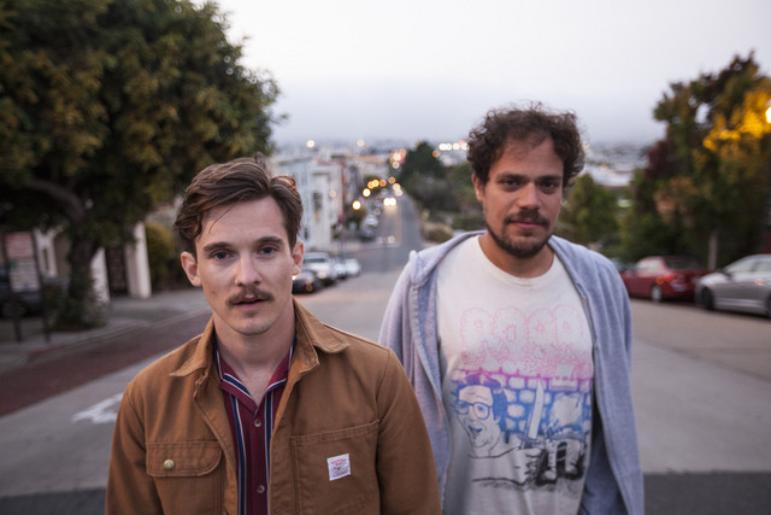
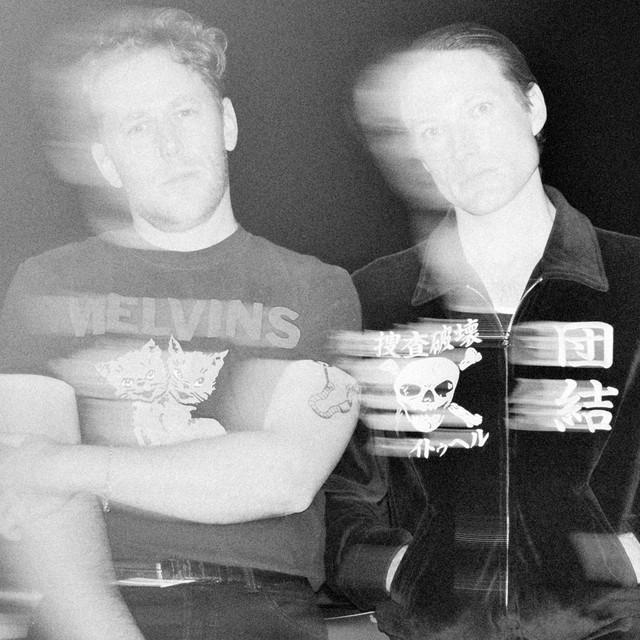
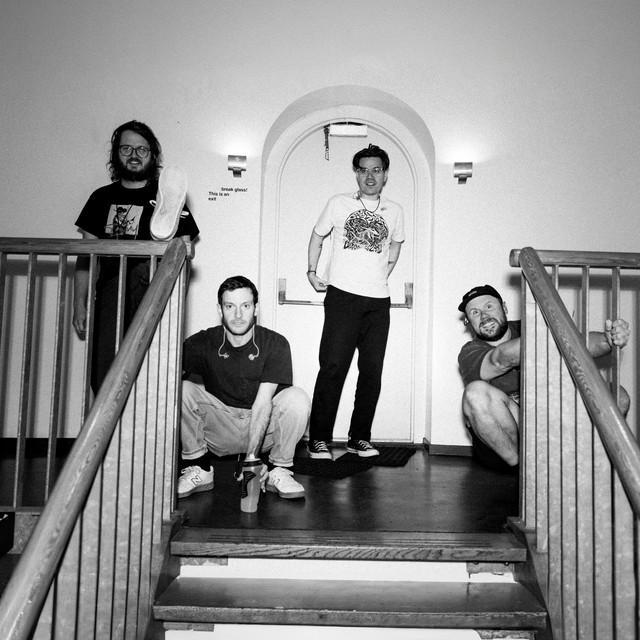
Rozwell Kid’s Spotify BioPower pop-punk outfit Rozwell Kid began in 2011 as the solo project of West Virginia native Jordan Hudkins. While drumming for fellow West Virginians the Demon Beat, Hudkins began assembling his own album based on his love of '90s punk and post-grunge indie. Signing with Broken World Media to release his debut, The Rozwell Kid LP, Hudkins assembled a full-band lineup that included guitarist Adam L. Meisterhans, bassist Devin Donnelly, and drummer Sean Hallock. With a sound resembling the tuneful fuzz pop of early Weezer, the band proceeded to deliver two more albums for the label in 2013's Unmacho and 2014's Too Shabby, each one tighter than the last. Over subsequent tours, festival appearances, split singles, and EPs, Rozwell Kid's reputation grew, eventually bringing them to the attention of revered California indie SideOneDummy, who signed them in 2017. Precious Art, their debut for the label and fourth album overall, was released in June of that year. ~ Timothy Monger, Rovi
Viberate is a music analytics platform built for A&Rs, artist managers, labels, booking agents, marketers, and artists.
It helps music professionals track artist growth, analyze audience data, monitor playlist activity, compare artists, follow song performance, and identify opportunities across the music market.
Public artist pages provide a free preview of selected artist data. Paid plans provide access to deeper analytics, historical data, charts, comparisons, playlist tools, exports, alerts, reports, and additional professional features.
Yes. Public Viberate artist pages provide selected artist analytics and music data for free.
Viberate also offers a 7-day free trial of the full platform. A credit card is required to start the trial. The trial includes access to the complete product so users can test deeper artist analytics, historical views, playlist insights, comparisons, charts, exports, alerts, and reporting features before choosing a paid plan.
Viberate provides artist analytics across streaming, playlists, social media, video, radio airplay, songs, and audience markets.
Users can analyze Spotify performance, Spotify and Apple Music playlists, YouTube activity, TikTok and Instagram growth, radio spins, song performance, audience locations, demographics, rankings, and overall artist momentum.
Artist profiles also connect to music charts, similar artists, and comparison tools, helping users benchmark performance and evaluate artists in context.
Viberate updates key artist and track data daily.
For followed artists and tracks, selected data is refreshed multiple times per day. This helps teams monitor playlist changes, streaming movement, audience growth, releases, and campaign performance with more current data.
Update frequency can vary depending on the metric and data source.
Yes. Viberate lets users compare up to five artists side by side across streaming, social media, audience, and engagement metrics.
Users can compare fanbase growth, audience demographics, locations, Spotify performance, social metrics, and other artist data over selected time periods.
Artist comparison can be used for A&R scouting, benchmarking, booking decisions, campaign planning, and evaluating artists with similar audiences or market positions.