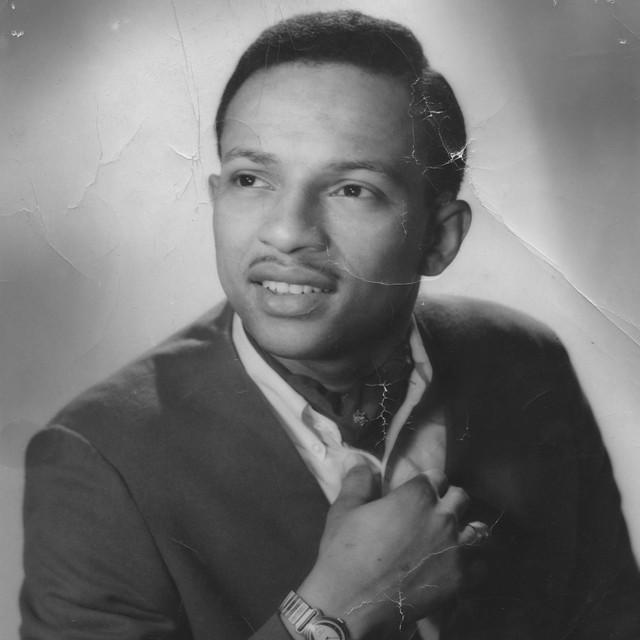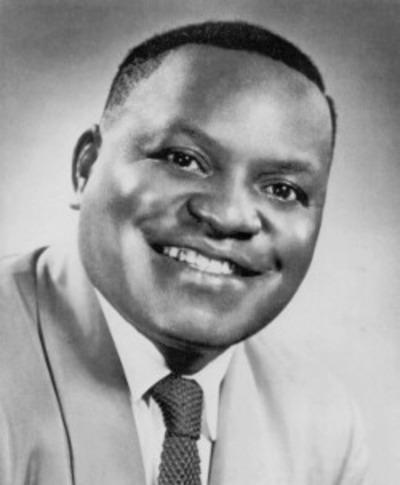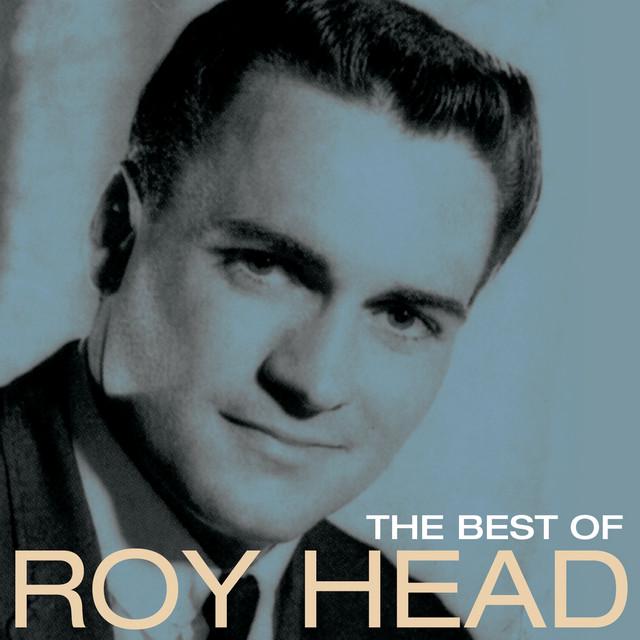
Roy Head

Rock
Rockabilly
 Viberate Rank: 274350
 Viberate Rank: 274350
 Monthly ListenersFollowers
 Subscribers
 Followers
 Followers
 FansTop Spotify Songs
| Track | 7-Day Streams | |
|---|---|---|
1 | 7.45K | |
2 | 904 | |
3 | 258 | |
4 | 73 | |
5 | 70 |
Top YouTube VideosMonthly ListenersFeatured in Playlists| Playlist | Followers | |
|---|---|---|
1 |  Slow Blues & Blues Rock | Don's Tunes Don's Tunes | 19.74K |
2 |  Duster Official Playlist Spotify | 11.64K |
3 | Mostly 50s stuff Albin Wig | 4.57K |
4 |  We are the Mods Teodoro Baruzzo | 4.41K |
5 | The Commitments - Original Soundtrack Also Starring | 4.23K |
Audience| City | Monthly Listeners | |
|---|---|---|
1 | | 955 |
2 |  | 891 |
3 | | 824 |
4 |  | 820 |
5 |  | 648 |
See full performance history, audience data, playlist activity, rankings, comparisons, and more in Viberate music analytics. Start with a free trial, then continue with a paid plan.
Roy Head’s Spotify BioA dynamic and exciting performer whose repertoire embodied R&B, country, rock & roll, swamp pop, and soul, Roy Head was best known for his first hit, the explosive "Treat Her Right," a rollicking two-minute shot of rock and soul powered by his commanding vocals and a superior horn riff. It was the first of three singles he released that made the Pop Top 40 in the 1960s, and he later enjoyed success on the country charts, hitting the C&W Top 40 four times in the '70s. Regardless of genre, Head's music had an upfront Southern swagger and he sang with a passion, grit, and authority that made room for a relaxed sense of humor and a funky, down-home groove. In his prime, he was a remarkable live performer, with flashy dance moves accompanied by acrobatic flips and somersaults. The 1995 compilation Treat Her Right: The Best of Roy Head collects his rock & roll and R&B classics of the '60s, 1970's Same People (That You Meet Going Up, You Meet Coming Down) is a polished, impassioned… major-label set, and 1975's Head First is a highlight from his country period.
Roy Head was born in Three Rivers, Texas, on January 9, 1941. In 1955, Head and his family left Three Rivers for San Marcos, and there he met a guitar player named Tommy Bolton, who attended the same high school. Head and Bolton formed a band, the Traits, who became one of the most popular acts on the early rock & roll scene in Texas. They scored several regional hits (including "One More Time," "Summertime Love," and "Live It Up") after signing with TNT Records (aka Tanner 'N' Texas) in 1959. Though they were still enrolled in high school, the Traits gigged frequently at sock hops, teen clubs, and university gigs around the state, though their age and class schedules prevented them from accepting a proposed booking on American Bandstand. In 1962, the Traits jumped to another Texas label, Renner Records, and several of their tunes were licensed for release on larger labels, including Scepter and Ascot.
In 1965, Head and the Traits signed a deal with producer and manager Huey P. Meaux, nicknamed "the Crazy Cajun," who struck a deal for the group with Back Beat Records, run by veteran record man Don Robey. Head's first single for Back Beat was "Treat Her Right," which exploded onto radio and went to number two on the pop singles charts. A song cut during Head's association with Scepter, "Just a Little Bit," was reissued after "Treat Her Right" hit and grazed the Top 40, topping out at 39, while his second 45 for Back Beat, "Apple of My Eye," peaked at 32. However, legal problems soon sidelined Head as he got into a contractual dispute with members of the Traits as well as various managers. One of his former bandmates, Gene Kurtz, once told a reporter, "He'd pretty much sign any piece of paper put in front of him." As Scepter continued to push older Roy Head tracks into the market while he was dealing with his legal troubles and cutting fresh material for Back Beat, Head's career quickly lost momentum, and while he released several singles in 1966, none charted higher than 88 ("Get Back"). A year after "Treat Her Right," Head's days as a rock hitmaker were over.
In 1968, after the dust had cleared, Head, now working without the Traits, left Back Beat to sign with Mercury Records for a handful of singles, and moved to ABC/Dunhill for the 1970 album Same People (That You Meet Going Up, You Meet Going Down). The record didn't click in the marketplace, and he next turned up on Steve Cropper's TMI label, which brought out 1972's Dismal Prisoner. By 1976, Head had shifted his focus from R&B-infused rock to country with a soulful undertow, and he released an album for ABC/Dot, Head First, that included the single "The Most Wanted Woman in Town." The song hit the country charts in both the United States (number 19) and Canada (number 7), and Head was once again a star. By the end of 1976, he'd issued another album for ABC/Dot, A Head of His Time, and his third LP for the label, 1978's Tonight's the Night, featured three more country hits: "Come to Me," "Now You See 'Em, Now You Don't," and a cover of Rod Stewart's "Tonight's the Night (It's Gonna Be Alright)." After the success of his releases for ABC/Dot, Head had no trouble finding a new record deal, with Elektra bringing out 1979's In Our Room and 1980's The Many Sides of Roy Head. However, the Elektra releases scored no major hits, and he left the label after a dispute with producer Jimmy Bowen, who had been behind the controls for most of his successful country sessions.
It would be 1985 before Roy Head released another album, Living for a Song, issued by the independent Texas Crude label; it included guest appearances from iconic guitarists Stevie Ray Vaughan and Lonnie Mack and fiddler Johnny Gimble. Head stuck to live work for the next decade-and-a-half, before 2011 saw the release of Still Treating 'Em Right, a lively set that included remakes of a few previous country hits, and 2012's Roy Head was a direct-to-lacquer LP of a live-in-the-studio session. Meanwhile, his son Sundance Head was developing a fan following of his own, serving as a contestant on American Idol in 2007 and winning the grand prize on The Voice in 2016. In 2019, Roy Head's greatest hit gained a new audience when Quentin Tarantino used it to accompany the title sequence in his film Once Upon a Time…in Hollywood. Roy Head died following a heart attack on September 21, 2020 in Montgomery County, Texas at the age of 79. ~ Mark Deming, Rovi
Viberate is a music analytics platform built for A&Rs, artist managers, labels, booking agents, marketers, and artists.
It helps music professionals track artist growth, analyze audience data, monitor playlist activity, compare artists, follow song performance, and identify opportunities across the music market.
Public artist pages provide a free preview of selected artist data. Paid plans provide access to deeper analytics, historical data, charts, comparisons, playlist tools, exports, alerts, reports, and additional professional features.
Yes. Public Viberate artist pages provide selected artist analytics and music data for free.
Viberate also offers a 7-day free trial of the full platform. A credit card is required to start the trial. The trial includes access to the complete product so users can test deeper artist analytics, historical views, playlist insights, comparisons, charts, exports, alerts, and reporting features before choosing a paid plan.
Viberate provides artist analytics across streaming, playlists, social media, video, radio airplay, songs, and audience markets.
Users can analyze Spotify performance, Spotify and Apple Music playlists, YouTube activity, TikTok and Instagram growth, radio spins, song performance, audience locations, demographics, rankings, and overall artist momentum.
Artist profiles also connect to music charts, similar artists, and comparison tools, helping users benchmark performance and evaluate artists in context.
Viberate updates key artist and track data daily.
For followed artists and tracks, selected data is refreshed multiple times per day. This helps teams monitor playlist changes, streaming movement, audience growth, releases, and campaign performance with more current data.
Update frequency can vary depending on the metric and data source.
Yes. Viberate lets users compare up to five artists side by side across streaming, social media, audience, and engagement metrics.
Users can compare fanbase growth, audience demographics, locations, Spotify performance, social metrics, and other artist data over selected time periods.
Artist comparison can be used for A&R scouting, benchmarking, booking decisions, campaign planning, and evaluating artists with similar audiences or market positions.