Roy Buchanan

Blues
Blues Rock
Contemporary Blues
 Viberate Rank: 59605
 Viberate Rank: 59605
 Monthly ListenersFollowers
 Subscribers
 Followers
 Followers
 FansTop Spotify Songs
| Track | 7-Day Streams | |
|---|---|---|
1 | 48.00K | |
2 | 10.69K | |
3 | 9.34K | |
4 | 9.06K | |
5 | 8.06K |
Top YouTube VideosMonthly ListenersFeatured in Playlists| Playlist | Followers | |
|---|---|---|
1 |  Blues & Whiskey 🥃 Whiskey blues music 🎸 Whisky Blues - Best of Slow Blues/Rock 🍥 | 333.28K |
2 | Covers (that are better than the originals) JTG | 208.99K |
3 |  sensual dark blues. totti444 | 152.91K |
4 |  Greatest Blues Jared Kerkhof | 56.16K |
5 | 60s-70s Psychedelic Rock jacobrowden | 50.90K |
Audience| City | Monthly Listeners | |
|---|---|---|
1 |  | 2.85K |
2 |  | 2.73K |
3 |  | 2.65K |
4 | | 2.48K |
5 |  | 2.13K |
See full performance history, audience data, playlist activity, rankings, comparisons, and more in Viberate music analytics. Start with a free trial, then continue with a paid plan.
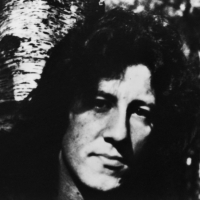
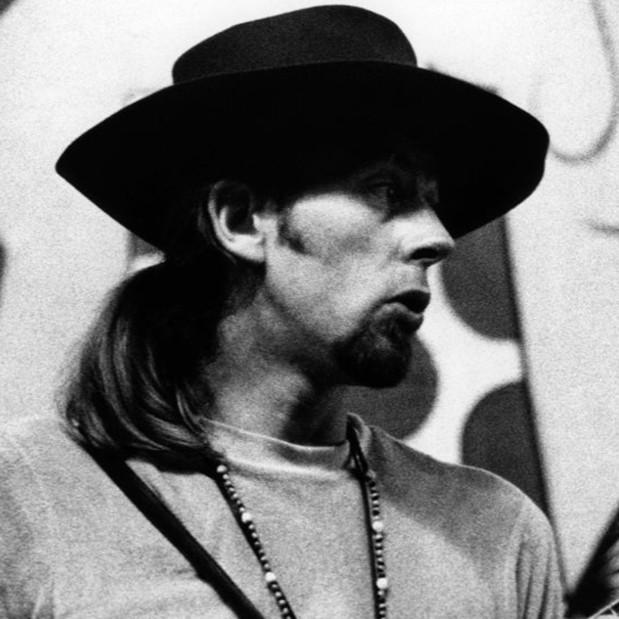
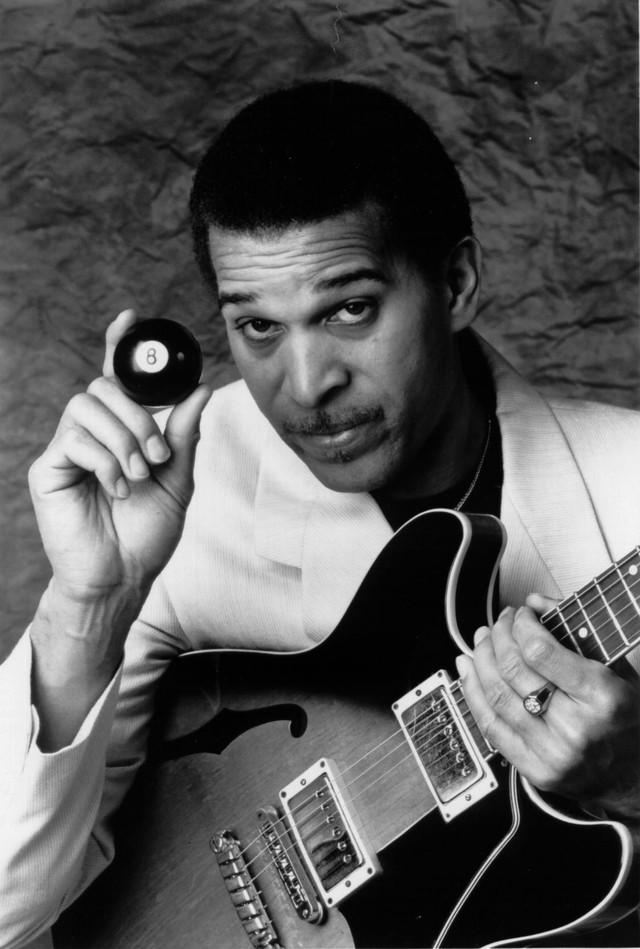
Roy Buchanan’s Spotify BioRoy Buchanan has long been considered one of the finest, yet criminally overlooked guitarists of the blues rock genre whose lyrical leads and use of harmonics would later influence such guitar greats as Jeff Beck, his one-time student Robbie Robertson, and ZZ Top's Billy Gibbons. Although born in Ozark, AR, on September 23, 1939, Buchanan grew up in the small town of Pixley, CA. His father was both a farmer and Pentecostal preacher, which would bring the youngster his first exposure to gospel music when his family would attend racially mixed revival meetings. But it was when Buchanan came across late-night R&B radio shows that he became smitten by the blues, leading to Buchanan picking up the guitar at the age of seven. First learning steel guitar, he switched to electric guitar by the age of 13, finding the instrument that would one day become his trademark: a Fender Telecaster. By 15, Buchanan knew he wanted to concentrate on music full-time and relocated to Los Angeles, which… contained a thriving blues/R&B scene at the time. Shortly after his arrival in L.A., Buchanan was taken under the wing by multi-talented bluesman Johnny Otis, before studying blues with such players as Jimmy Nolen (later with James Brown), Pete Lewis, and Johnny "Guitar" Watson. During the mid- to late '50s, Buchanan led his own rock band, the Heartbeats, which soon after began backing rockabilly great Dale ("Suzy Q") Hawkins.
By the dawn of the '60s, Buchanan had relocated once more, this time to Canada, where he signed on with rockabilly singer Ronnie Hawkins. The bass player of Ronnie Hawkins' backing band, the Hawks, studied guitar with Buchanan during his tenure with the band. Upon Buchanan's exit, the bassist-turned-guitarist would become the leader of the group, which would eventually become popular roots rockers the Band: Robbie Robertson. Buchanan spent the '60s as a sideman with obscure acts, as well as working as a session guitarist for such varied artists as pop idol Freddy Cannon, country artist Merle Kilgore, and drummer Bobby Gregg, among others, before Buchanan settled down in the Washington, D.C., area in the mid- to late '60s and founded his own outfit, the Snakestretchers. Despite not having appeared on any recordings of his own, word of Buchanan's exceptional playing skills began to spread among musicians as he received accolades from the likes of John Lennon, Eric Clapton, and Merle Haggard, as well as supposedly being invited to join the Rolling Stones at one point (which he turned down).
The praise eventually led to an hour-long public television documentary on Buchanan in 1971, the appropriately titled The Best Unknown Guitarist in the World, and a recording contract with Polydor Records shortly thereafter. Buchanan spent the remainder of the decade issuing solo albums, including such guitar classics as his 1972 self-titled debut (which contained one of Buchanan's best-known tracks, "The Messiah Will Come Again"), 1974's That's What I Am Here For, and 1975's Live Stock, before switching to Atlantic for several releases. But by the '80s, Buchanan had grown disillusioned by the music business due to the record company's attempts to mold the guitarist into a more mainstream artist, which led to a four-year exile from music between 1981 and 1985.
Luckily, the blues label Alligator convinced Buchanan to begin recording again by the middle of the decade, issuing such solid and critically acclaimed releases as 1985's When a Guitar Plays the Blues, 1986's Dancing on the Edge, and 1987's Hot Wires. But just as his career seemed to be on the upswing once more, tragedy struck on August 14, 1988, when Buchanan was picked up by police in Fairfax, VA, for public intoxication. Shortly after being arrested and placed in a holding cell, a policeman performed a routine check on Buchanan and was shocked to discover that he had hung himself in his cell. Buchanan's stature as one of blues-rock's all-time great guitarists grew even greater after his tragic death, resulting in such posthumous collections as Sweet Dreams: The Anthology, Guitar on Fire: The Atlantic Sessions, Deluxe Edition, and 20th Century Masters and the live When a Telecaster Plays the Blues, which appeared in 2009. ~ Greg Prato, Rovi
Viberate is a music analytics platform built for A&Rs, artist managers, labels, booking agents, marketers, and artists.
It helps music professionals track artist growth, analyze audience data, monitor playlist activity, compare artists, follow song performance, and identify opportunities across the music market.
Public artist pages provide a free preview of selected artist data. Paid plans provide access to deeper analytics, historical data, charts, comparisons, playlist tools, exports, alerts, reports, and additional professional features.
Yes. Public Viberate artist pages provide selected artist analytics and music data for free.
Viberate also offers a 7-day free trial of the full platform. A credit card is required to start the trial. The trial includes access to the complete product so users can test deeper artist analytics, historical views, playlist insights, comparisons, charts, exports, alerts, and reporting features before choosing a paid plan.
Viberate provides artist analytics across streaming, playlists, social media, video, radio airplay, songs, and audience markets.
Users can analyze Spotify performance, Spotify and Apple Music playlists, YouTube activity, TikTok and Instagram growth, radio spins, song performance, audience locations, demographics, rankings, and overall artist momentum.
Artist profiles also connect to music charts, similar artists, and comparison tools, helping users benchmark performance and evaluate artists in context.
Viberate updates key artist and track data daily.
For followed artists and tracks, selected data is refreshed multiple times per day. This helps teams monitor playlist changes, streaming movement, audience growth, releases, and campaign performance with more current data.
Update frequency can vary depending on the metric and data source.
Yes. Viberate lets users compare up to five artists side by side across streaming, social media, audience, and engagement metrics.
Users can compare fanbase growth, audience demographics, locations, Spotify performance, social metrics, and other artist data over selected time periods.
Artist comparison can be used for A&R scouting, benchmarking, booking decisions, campaign planning, and evaluating artists with similar audiences or market positions.