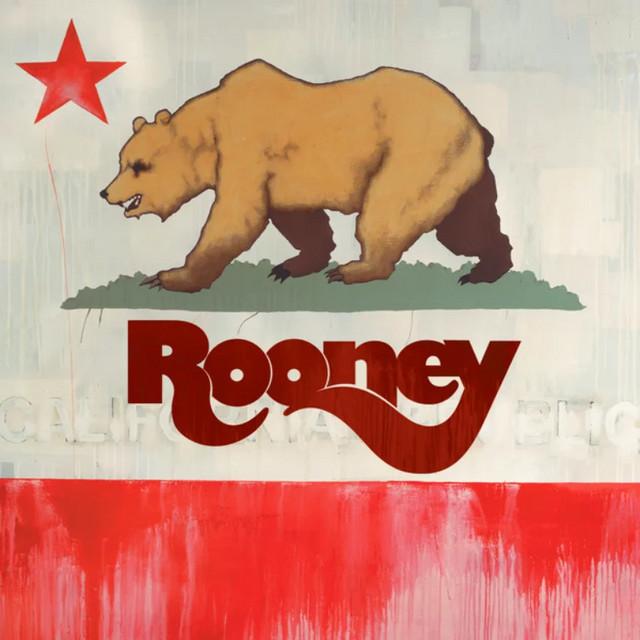
Rooney

Rock
Indie Rock
Indie Pop
 Viberate Rank: 51791
 Viberate Rank: 51791
 Monthly ListenersFollowers
 Subscribers
 Followers
 Followers
 FansTop Spotify Songs
| Track | 7-Day Streams | |
|---|---|---|
1 | 84.71K | |
2 | 15.97K | |
3 | 5.82K | |
4 | 4.37K | |
5 | 2.11K |
Top YouTube Videos| Video | 7-Day Views | |
|---|---|---|
1 | 5.27K | |
2 | 1.32K | |
3 | 1.18K | |
4 | 382 | |
5 | 298 |
Monthly ListenersFeatured in Playlists| Playlist | Followers | |
|---|---|---|
1 |  The 2000s Indie Scene Spotify | 597.52K |
2 |  GOSSIP GIRL SOUNDTRACK 💄 Oli.R | 558.68K |
3 |  The OC Soundtrack [All Seasons Playlist] Solitude Collective | 138.09K |
4 |  gossip girl vibes 💋 Faith | 111.34K |
5 | Indie Sleaze Bangers Yolanda Carmen Perez | 79.61K |
Audience| City | Monthly Listeners | |
|---|---|---|
1 | | 5.18K |
2 | | 4.28K |
3 | | 3.68K |
4 |  | 3.19K |
5 | | 3.06K |
See full performance history, audience data, playlist activity, rankings, comparisons, and more in Viberate music analytics. Start with a free trial, then continue with a paid plan.
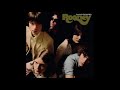
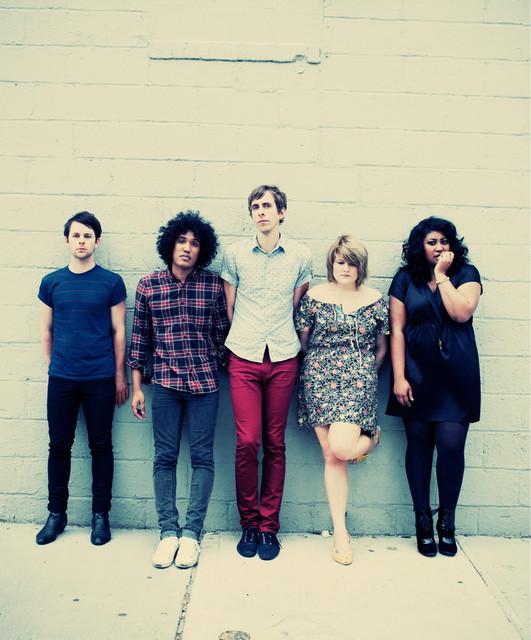
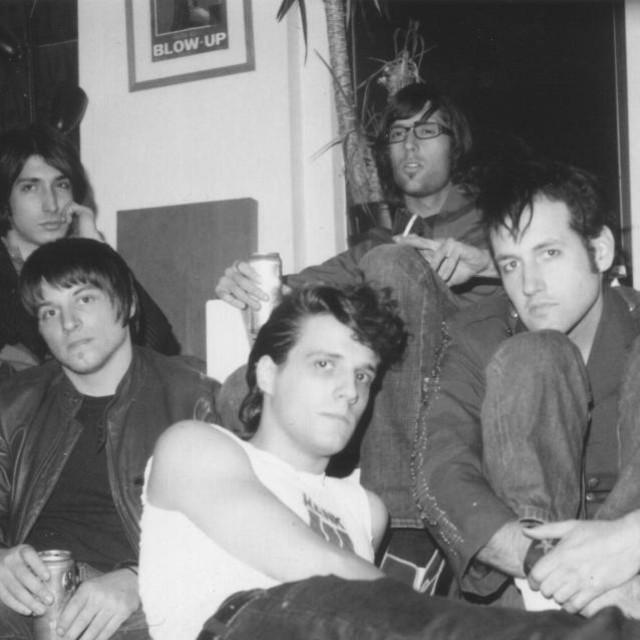
Rooney’s Spotify BioCalifornia rock band Rooney emerged in the early-2000s, making their live debut warming up for Phantom Planet, a more experienced L.A.-based group who shared similar classic pop influences (ELO, the Beach Boys) along with a family member. The younger brother of actor and former Phantom Planet drummer Jason Schwartzman, Rooney maestro Robert Schwartzman was also a son of Hollywood who had dabbled in acting, but by the early 2000s had turned his full attention to crafting pleasantly retro guitar pop. By the year's end, Schwartzman and his bandmates Taylor Locke (guitar), Matthew Winter (bass), Louie Stephens (keyboards), and Ned Brower (drums), had inked a major-label deal with Geffen/Interscope.
Although Rooney had flirted with enlisting Ric Ocasek to produce, they eventually opted to rehire Keith Forsey, the producer responsible for the the strong batch of demos that had gotten them signed in the first place. Rooney's sunny, self-titled debut arrived in 2003 and its sales spiked… considerably the following year when the band appeared on Fox's popular teen drama The O.C. (the first in a long line of bands to do so). Later that year, the concert DVD Spit and Sweat was released, highlighting the group's transformation from teenage musicians into a road-seasoned outfit. Rooney began recording their follow-up later that year with producer Tony Hoffer, but the album was eventually scrapped despite several songs being posted on the band's MySpace page. A second attempt to record their sophomore album was made in fall 2005, this time with Howard Benson in the producer's seat. Although it was slated for a 2006 release, this version too was scrapped as friction between the band and its label increased.
Following a 2006 tour with Kelly Clarkson, Rooney returned to the studio with producer John Fields for a third -- and successful -- attempt at recording their second album. The slightly darker, but no less catchy Calling the World was released in summer 2007 and debuted on the Billboard charts at number 42. By this point, though, the band's relationship with Geffen had suffered too much damage and Rooney eventually left the label's roster in 2009. That same year, the band celebrated their independent status by self-releasing an EP, Wild One, and launching a brief tour. They didn't remain independent for long, though, eventually partnering with Warner Bros. for the release of their third full-length album, the self-produced Eureka, in June 2010. Although bassist Matt Winter played on the record, he left the band's lineup several months before its release, with Brandon Schwartzel climbing aboard in his place.
By the end of 2011, support for the record had mostly ceased and Rooney essentially entered into a lengthy hiatus. Schwartzman remained busy with a number of projects, including two solo records and a pair of film scores. Following years of silence regarding his band's fate, Schwartzman revealed in early 2016 that he had completed a new Rooney album entirely on his own. Released in May 2016, Washed Away was the fourth LP under the Rooney banner, and was supported on the road by a completely retooled lineup. In June 2017, the band issued the single "Second Chances" in anticipation of the release of the El Cortez EP, which arrived in July of that year. ~ Timothy Monger & Andrew Leahey, Rovi
Viberate is a music analytics platform built for A&Rs, artist managers, labels, booking agents, marketers, and artists.
It helps music professionals track artist growth, analyze audience data, monitor playlist activity, compare artists, follow song performance, and identify opportunities across the music market.
Public artist pages provide a free preview of selected artist data. Paid plans provide access to deeper analytics, historical data, charts, comparisons, playlist tools, exports, alerts, reports, and additional professional features.
Yes. Public Viberate artist pages provide selected artist analytics and music data for free.
Viberate also offers a 7-day free trial of the full platform. A credit card is required to start the trial. The trial includes access to the complete product so users can test deeper artist analytics, historical views, playlist insights, comparisons, charts, exports, alerts, and reporting features before choosing a paid plan.
Viberate provides artist analytics across streaming, playlists, social media, video, radio airplay, songs, and audience markets.
Users can analyze Spotify performance, Spotify and Apple Music playlists, YouTube activity, TikTok and Instagram growth, radio spins, song performance, audience locations, demographics, rankings, and overall artist momentum.
Artist profiles also connect to music charts, similar artists, and comparison tools, helping users benchmark performance and evaluate artists in context.
Viberate updates key artist and track data daily.
For followed artists and tracks, selected data is refreshed multiple times per day. This helps teams monitor playlist changes, streaming movement, audience growth, releases, and campaign performance with more current data.
Update frequency can vary depending on the metric and data source.
Yes. Viberate lets users compare up to five artists side by side across streaming, social media, audience, and engagement metrics.
Users can compare fanbase growth, audience demographics, locations, Spotify performance, social metrics, and other artist data over selected time periods.
Artist comparison can be used for A&R scouting, benchmarking, booking decisions, campaign planning, and evaluating artists with similar audiences or market positions.