OK Go

Rock
Indie Rock
Alternative Rock
 Viberate Rank: 7494
 Viberate Rank: 7494
 Monthly ListenersFollowers
 Subscribers
 Followers
 Followers
 FansTop Spotify Songs
| Track | 7-Day Streams | |
|---|---|---|
1 | 212.53K | |
2 | 46.53K | |
3 | 45.80K | |
4 | 44.71K | |
5 | 34.86K |
Top YouTube Videos| Video | 7-Day Views | |
|---|---|---|
1 | 41.36K | |
2 | 34.17K | |
3 | 16.25K | |
4 | 14.59K | |
5 | 2.96K |
Monthly ListenersFeatured in Playlists| Playlist | Followers | |
|---|---|---|
1 |  Feel-Good Indie Rock Spotify | 2.29M |
2 |  Indie Rock Club Spotify | 1.36M |
3 |  Indie Rock Road Trip Spotify | 1.18M |
4 |  Off Campus Official Playlist Spotify | 981.62K |
5 |  Alternative 00s Spotify | 760.65K |
Audience| City | Monthly Listeners | |
|---|---|---|
1 | | 18.23K |
2 |  | 16.88K |
3 |  | 15.39K |
4 | | 14.88K |
5 | | 13.82K |
See full performance history, audience data, playlist activity, rankings, comparisons, and more in Viberate music analytics. Start with a free trial, then continue with a paid plan.
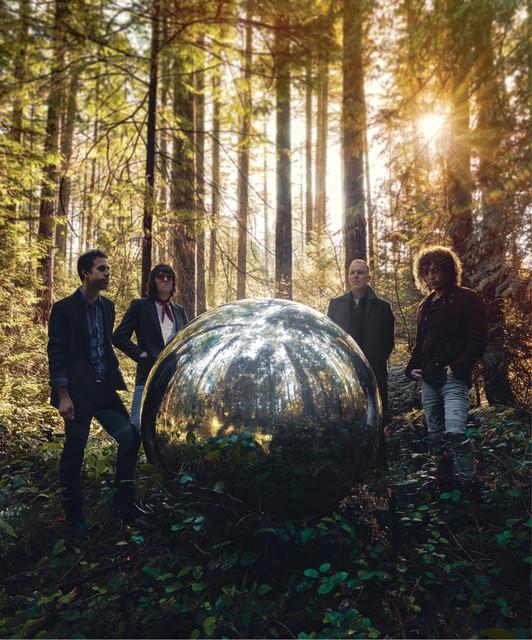
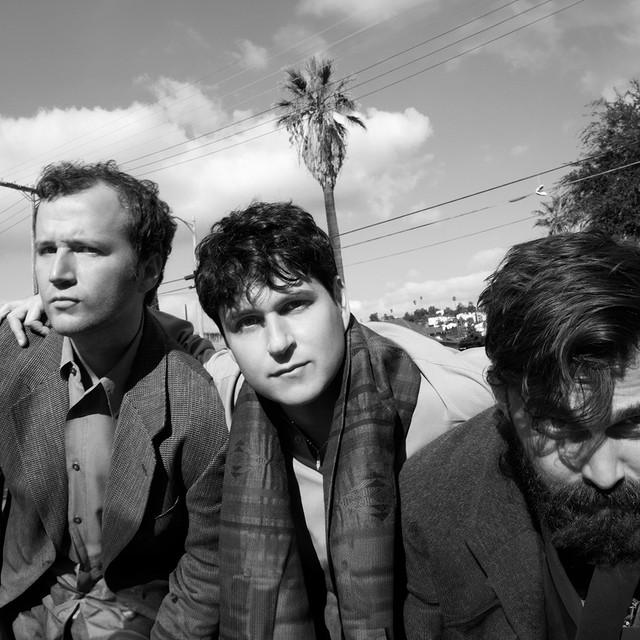
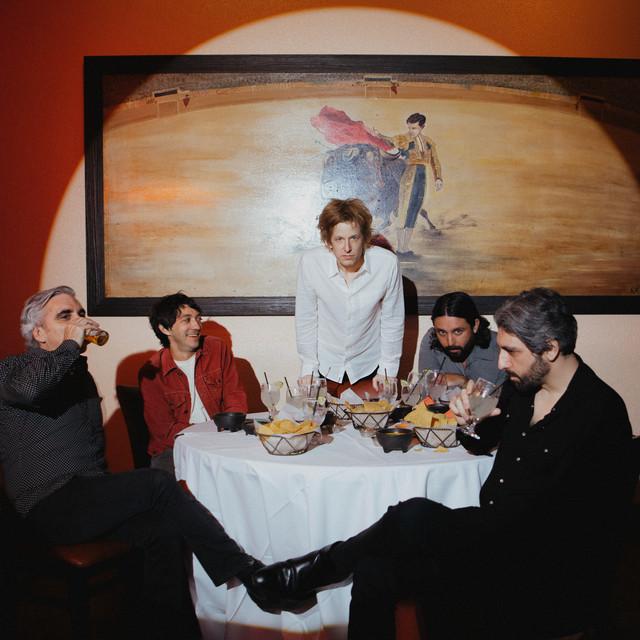
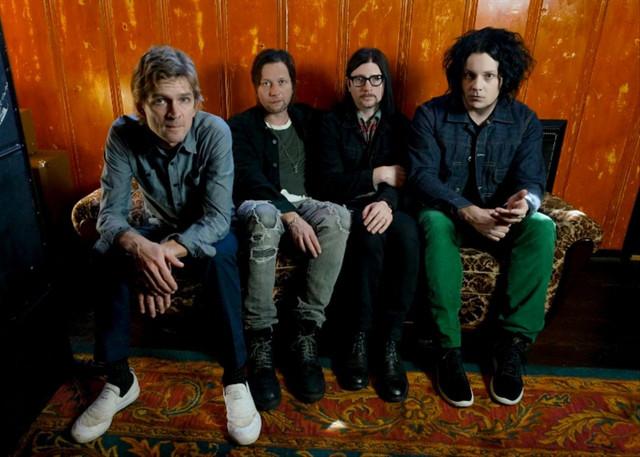
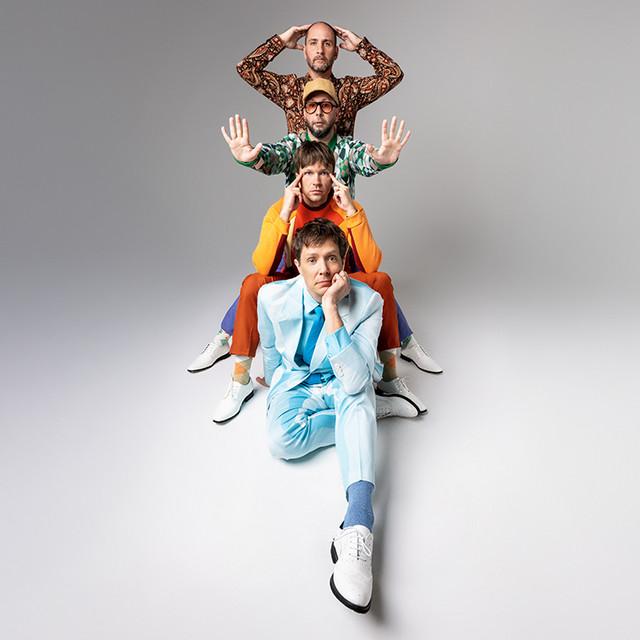
OK Go’s Spotify BioSince their inception OK Go has been something more than a band and something different from an art project. With a career that includes award-winning videos, New York Times op-eds, collaborations with pioneering dance companies, tech giants, NASA, animators and Muppets, and an experiment that encoded their music on actual strands of DNA, OK Go continue to fearlessly dream and build new worlds in a time when creative boundaries have all but dissolved. Formed as a quartet in Chicago in 1998 and relocated to Los Angeles three years later, OK Go (Damian Kulash, Timothy Nordwind, Dan Konopka, Andy Ross) have spent their career in a steady state of transformation and continue to add to a curriculum vitae filled with experimentation in a variety of mediums. OK Go’s work is in the permanent collection of MoMA, and their achievements have been recognized with twenty-one Cannes Lions, twelve CLIOs, three VMAs, two Webbys, The Smithsonian Ingenuity Award, and a Grammy.
Viberate is a music analytics platform built for A&Rs, artist managers, labels, booking agents, marketers, and artists.
It helps music professionals track artist growth, analyze audience data, monitor playlist activity, compare artists, follow song performance, and identify opportunities across the music market.
Public artist pages provide a free preview of selected artist data. Paid plans provide access to deeper analytics, historical data, charts, comparisons, playlist tools, exports, alerts, reports, and additional professional features.
Yes. Public Viberate artist pages provide selected artist analytics and music data for free.
Viberate also offers a 7-day free trial of the full platform. A credit card is required to start the trial. The trial includes access to the complete product so users can test deeper artist analytics, historical views, playlist insights, comparisons, charts, exports, alerts, and reporting features before choosing a paid plan.
Viberate provides artist analytics across streaming, playlists, social media, video, radio airplay, songs, and audience markets.
Users can analyze Spotify performance, Spotify and Apple Music playlists, YouTube activity, TikTok and Instagram growth, radio spins, song performance, audience locations, demographics, rankings, and overall artist momentum.
Artist profiles also connect to music charts, similar artists, and comparison tools, helping users benchmark performance and evaluate artists in context.
Viberate updates key artist and track data daily.
For followed artists and tracks, selected data is refreshed multiple times per day. This helps teams monitor playlist changes, streaming movement, audience growth, releases, and campaign performance with more current data.
Update frequency can vary depending on the metric and data source.
Yes. Viberate lets users compare up to five artists side by side across streaming, social media, audience, and engagement metrics.
Users can compare fanbase growth, audience demographics, locations, Spotify performance, social metrics, and other artist data over selected time periods.
Artist comparison can be used for A&R scouting, benchmarking, booking decisions, campaign planning, and evaluating artists with similar audiences or market positions.