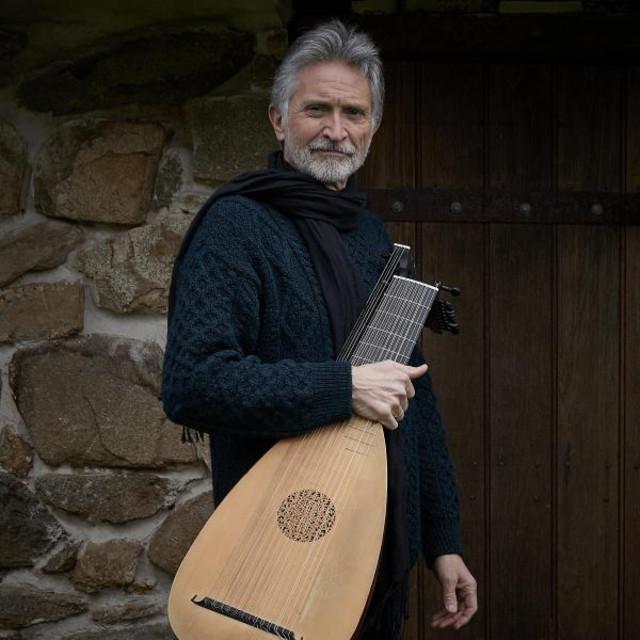
Ronn McFarlane

Classical
Chamber Music
Other European Music
 Viberate Rank: 182423
 Viberate Rank: 182423
 Monthly ListenersFollowers
 Subscribers
 Followers
 Followers
 FansTop Spotify SongsTop YouTube Videos
| Video | 7-Day Views | |
|---|---|---|
1 | 115 | |
2 | 109 | |
3 | 58 | |
4 | 58 | |
5 | 54 |
Monthly ListenersFeatured in Playlists| Playlist | Followers | |
|---|---|---|
1 |  medieval vibes Spotify | 500.32K |
2 |  Classical Christmas Spotify | 303.70K |
3 |  Medieval Ambient Ville Pelkonen | 82.74K |
4 |  Tavern Music Trent Adams | 34.77K |
5 |  Medieval-Folk Ertuğrul | 15.47K |
Audience| City | Monthly Listeners | |
|---|---|---|
1 |  | 503 |
2 |  | 454 |
3 |  | 333 |
4 |  | 330 |
5 | | 321 |
See full performance history, audience data, playlist activity, rankings, comparisons, and more in Viberate music analytics. Start with a free trial, then continue with a paid plan.
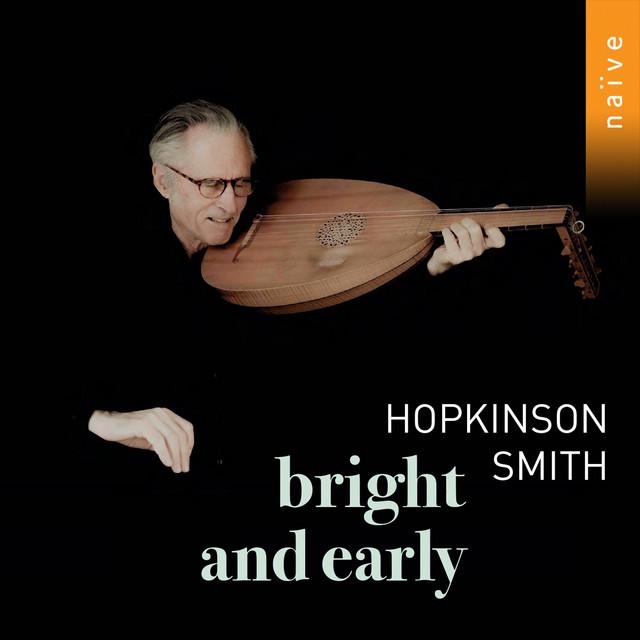
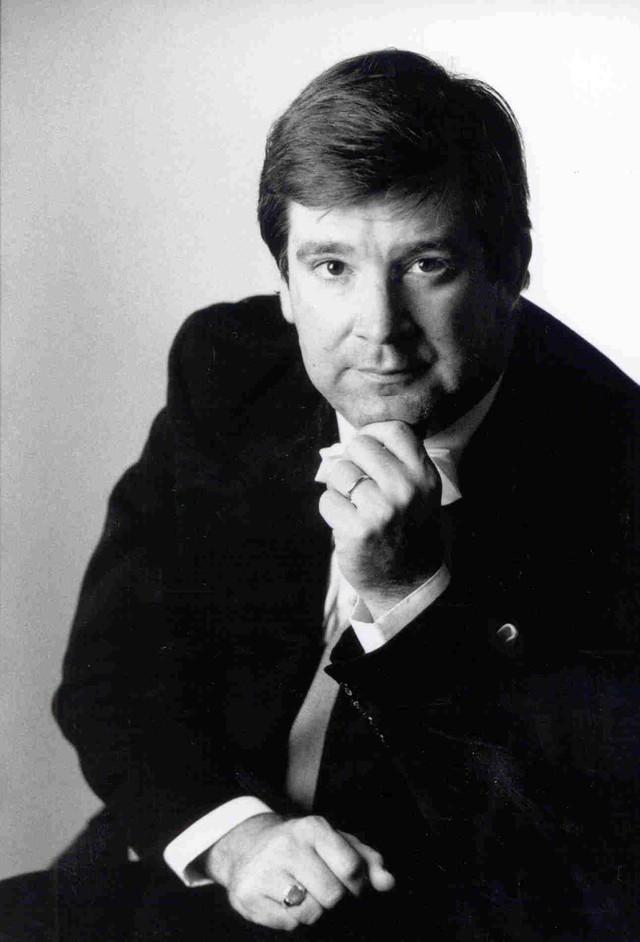
Ronn McFarlane’s Spotify BioLutenist Ronn McFarlane is a pioneering figure in lute performance in North America, bringing the instrument to new audiences, teaching younger players, and collaborating with a variety of singers and instrumentalists. He has also composed music of his own and formed two influential ensembles, the Baltimore Consort and Ayreheart.
McFarlane was born in West Virginia in 1953 but grew up in Maryland. First attracted to music by the instrumental Wipeout by The Surfaris, he bought a $16 guitar and began practicing. McFarlane studied classical guitar at Shenandoah University in Virginia, playing in blues and rock bands on the side. He moved on to the Peabody Institute in Baltimore, where he studied with Paul O'Dette, Roger Harmon, and Pat O'Brien. In 1978, he switched to the lute full-time, giving up his other musical activities. Soon after that, he was touring and had formed the Baltimore Consort, one of the few Renaissance lute-headed ensembles active in the U.S. at the time. From 1984 to… 1995, McFarlane taught lute at the Peabody Conservatory. He published two collections of lute music: Scottish Lute (1998) and Highland King: The Scottish Lute (2003). In keeping with the traditions of the Scots lutenists, McFarlane began composing music of his own early in the 21st century. He also formed a second ensemble, Ayreheart, with which he has performed and recorded. That group, which he styles a band, is oriented toward contemporary progressive folk music. McFarlane has collaborated with various singers, including soprano Julianne Baird and tenor Frederick Urrey.
With a catalog of some 20 solo recordings, plus a similar total with the Baltimore Consort and Ayreheart, McFarlane has been especially visible as a recording artist. Almost all his recordings, including those with the Baltimore Consort and Ayreheart, have appeared on the Dorian label or its successor, Sono Luminus. In 2020, McFarlane and viola da gamba player Carolyn Anderson Surrick released the album Fermi's Paradox.
Viberate is a music analytics platform built for A&Rs, artist managers, labels, booking agents, marketers, and artists.
It helps music professionals track artist growth, analyze audience data, monitor playlist activity, compare artists, follow song performance, and identify opportunities across the music market.
Public artist pages provide a free preview of selected artist data. Paid plans provide access to deeper analytics, historical data, charts, comparisons, playlist tools, exports, alerts, reports, and additional professional features.
Yes. Public Viberate artist pages provide selected artist analytics and music data for free.
Viberate also offers a 7-day free trial of the full platform. A credit card is required to start the trial. The trial includes access to the complete product so users can test deeper artist analytics, historical views, playlist insights, comparisons, charts, exports, alerts, and reporting features before choosing a paid plan.
Viberate provides artist analytics across streaming, playlists, social media, video, radio airplay, songs, and audience markets.
Users can analyze Spotify performance, Spotify and Apple Music playlists, YouTube activity, TikTok and Instagram growth, radio spins, song performance, audience locations, demographics, rankings, and overall artist momentum.
Artist profiles also connect to music charts, similar artists, and comparison tools, helping users benchmark performance and evaluate artists in context.
Viberate updates key artist and track data daily.
For followed artists and tracks, selected data is refreshed multiple times per day. This helps teams monitor playlist changes, streaming movement, audience growth, releases, and campaign performance with more current data.
Update frequency can vary depending on the metric and data source.
Yes. Viberate lets users compare up to five artists side by side across streaming, social media, audience, and engagement metrics.
Users can compare fanbase growth, audience demographics, locations, Spotify performance, social metrics, and other artist data over selected time periods.
Artist comparison can be used for A&R scouting, benchmarking, booking decisions, campaign planning, and evaluating artists with similar audiences or market positions.